Past that check, the ideas range from a weekend of terracotta or lavender paint and plug-in string lights to a charcoal steel frame with staircase steps that hide drawers.
1. Built-In Study Zone
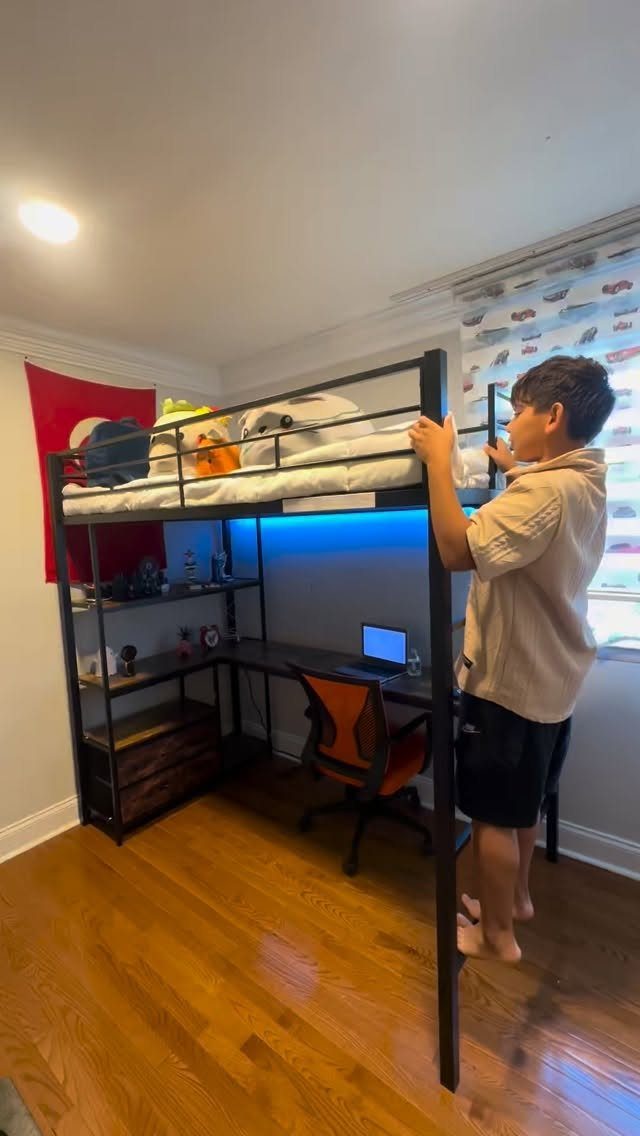
A desk tucked under a loft bed gives a teenager a study corner without taking any extra floor. The bed frame doubles as the roof of the workspace, so the room keeps its open center.
Shelving built into the frame beside the desk keeps books and supplies within reach.
I like a bright chair here, like the orange one, because the dark metal frame can make the nook feel closed in without one spot of color.
2. Vertical Space Utilization
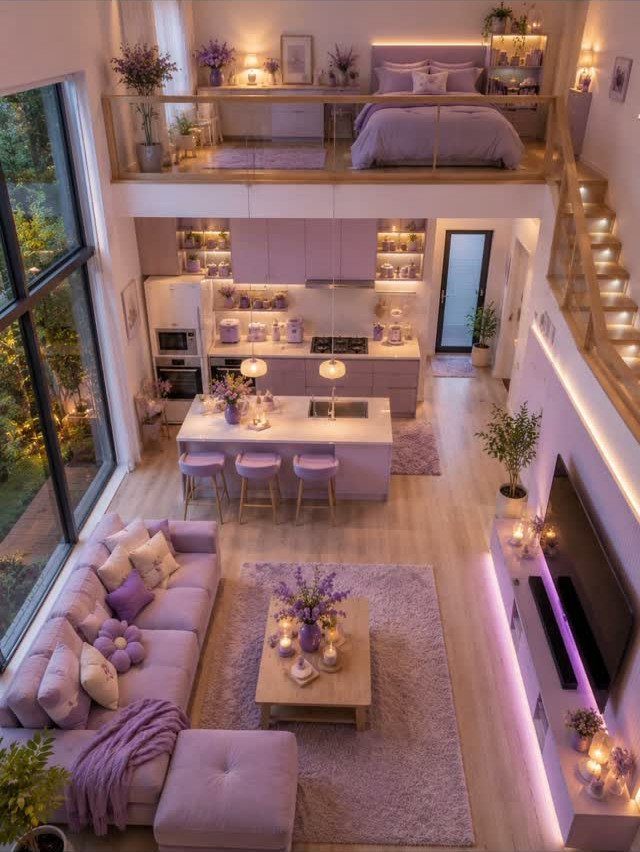
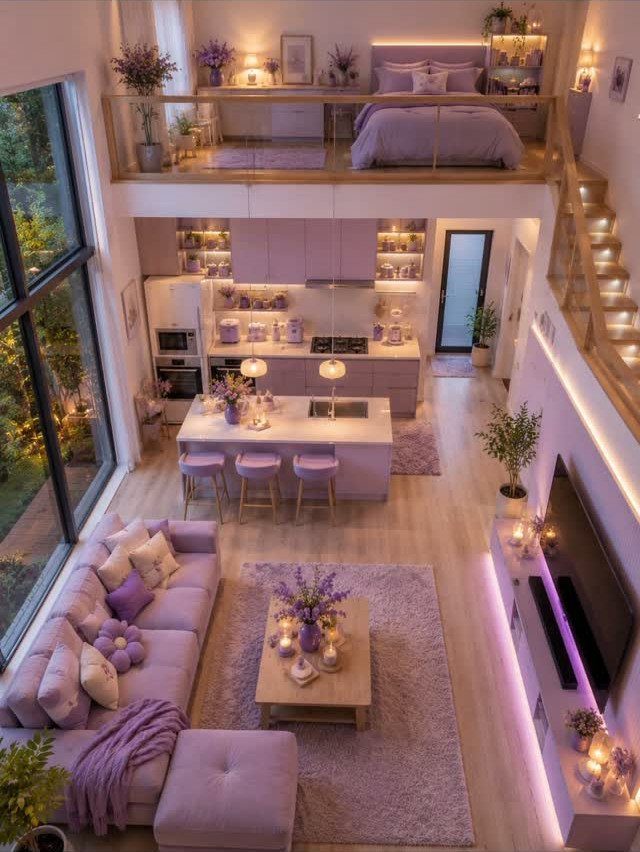
Height does the heavy lifting in a studio, and a lofted sleeping platform is the clearest way to use it. Sleeping up top frees the ground level for a kitchen and a living area with a sofa and coffee table.
Keep the colors tied together so the stacked zones read as one room. Lavender walls with purple furniture, as here, make the upper and lower levels feel connected instead of crowded.
A loft suits a teen’s room just as well, since the floor below can hold a seating area for friends.
3. Charcoal Industrial Frames
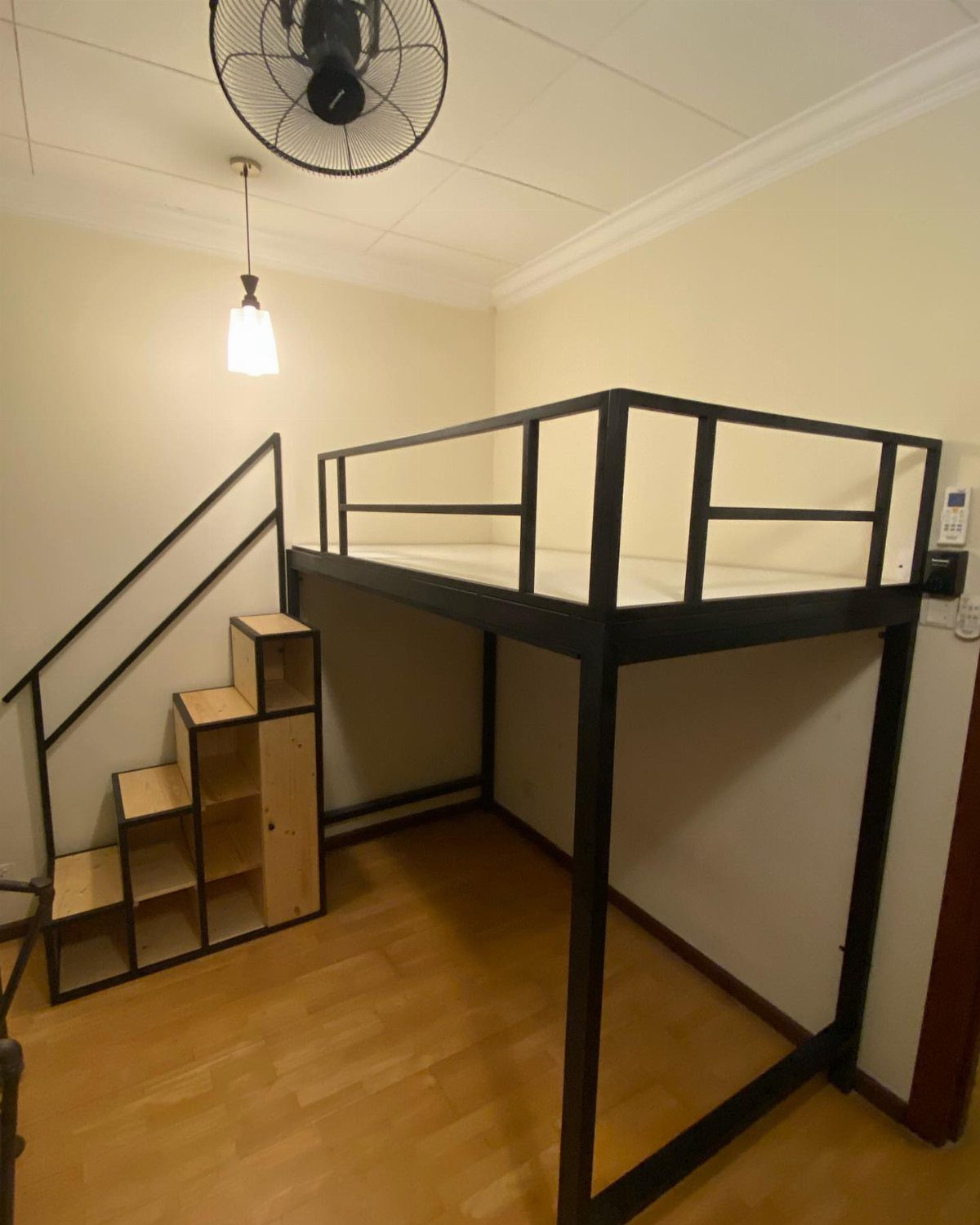
Charcoal metal frames give a loft bed a slightly retro, workshop look without shouting. Against beige walls and wood floors, the dark steel acts as a quiet anchor.
Staircase-style steps leading up to the loft bed replace a ladder, and they hide drawers or cubbies for clothes and gear, so the bed earns its footprint twice.
Keep the walls, ceiling and floor light and muted. A frame this dark already carries the visual weight, and extra black pieces would make the space feel heavy.
4. Terracotta Walls
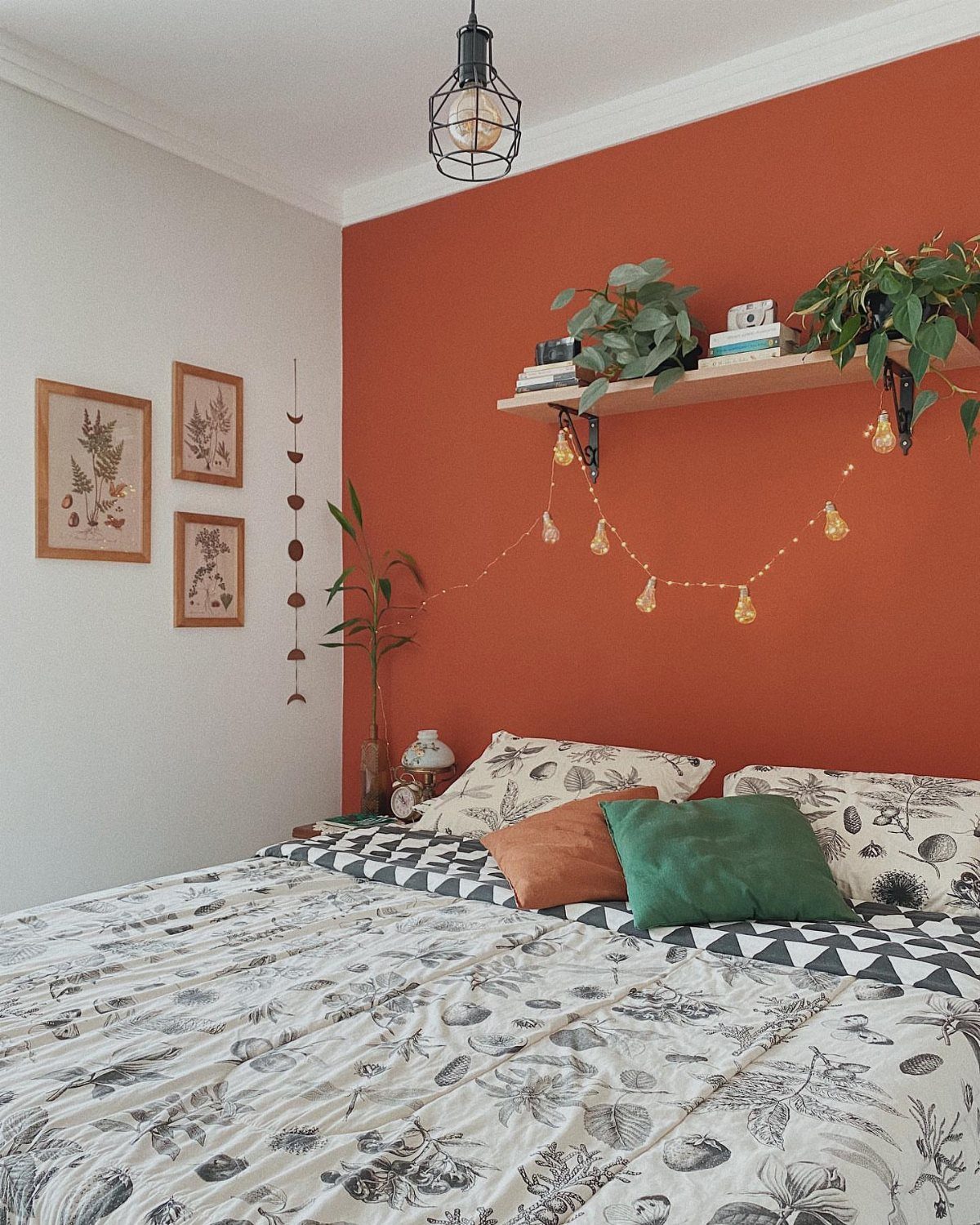
Paint one wall terracotta and the whole bedroom warms up. Pick the wall that backs the headboard so the color frames where your teen sleeps and the other 3 walls stay white.
String lights add a soft glow in the evening, and they cost little to hang.
Paint is the cheapest part of this idea and a weekend job. I would test a sample swatch first, since terracotta shifts with the light in the room.
5. Lavender Walls
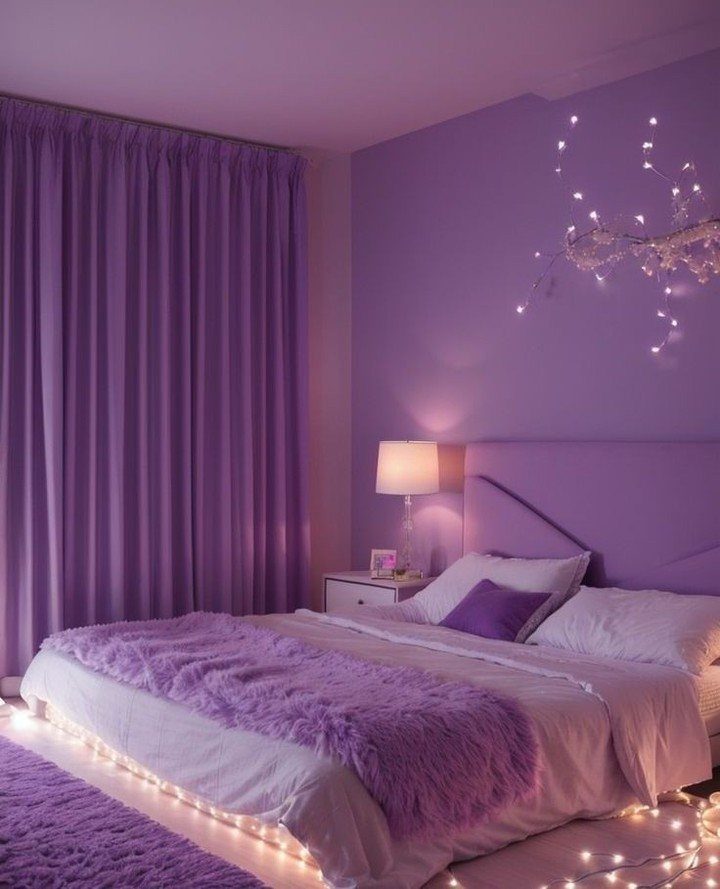
Lavender is a gentle wall color for a teen who wants a calm room rather than a loud one. Soft purple paints well in a bedroom because it reads as relaxed instead of sugary.
Keeping the bed white stops the color from taking over.
String lights along the wall add a fairy-light glow at night. I would run them on a plug-in cord so no wiring is needed, which makes this an easy weekend change for a renter.
6. Starry Ceiling Loft Nook
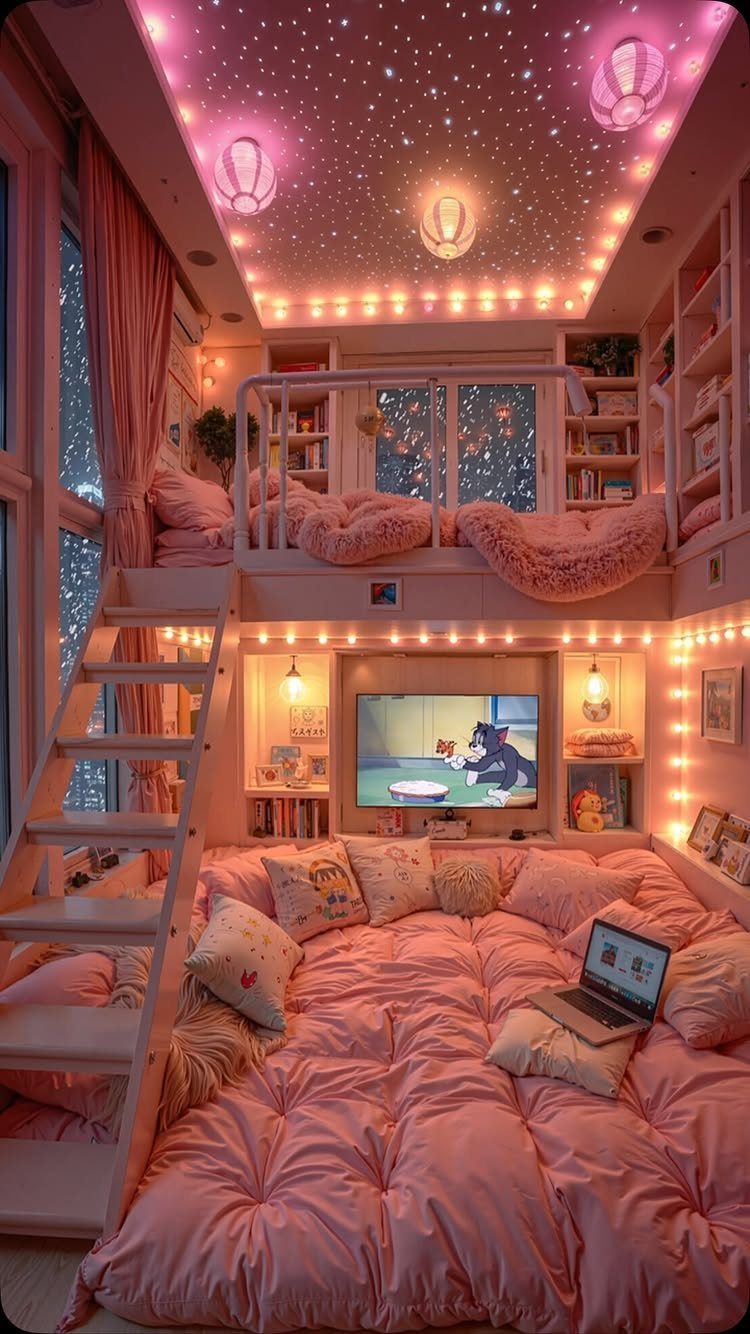
A pink loft with a starry ceiling turns the sleeping space into a hideaway. Small lights and lanterns overhead make the ceiling glow, and a large floor mattress below gives friends room to sprawl in front of the TV.
The built-in entertainment area keeps screens off the bed. Layered plush bedding is what makes it comfortable enough to actually use.
Battery or plug-in lights keep the ceiling part cheap and removable, which I prefer for a teen whose taste will change.
7. Built-In Lounge Nook Underneath
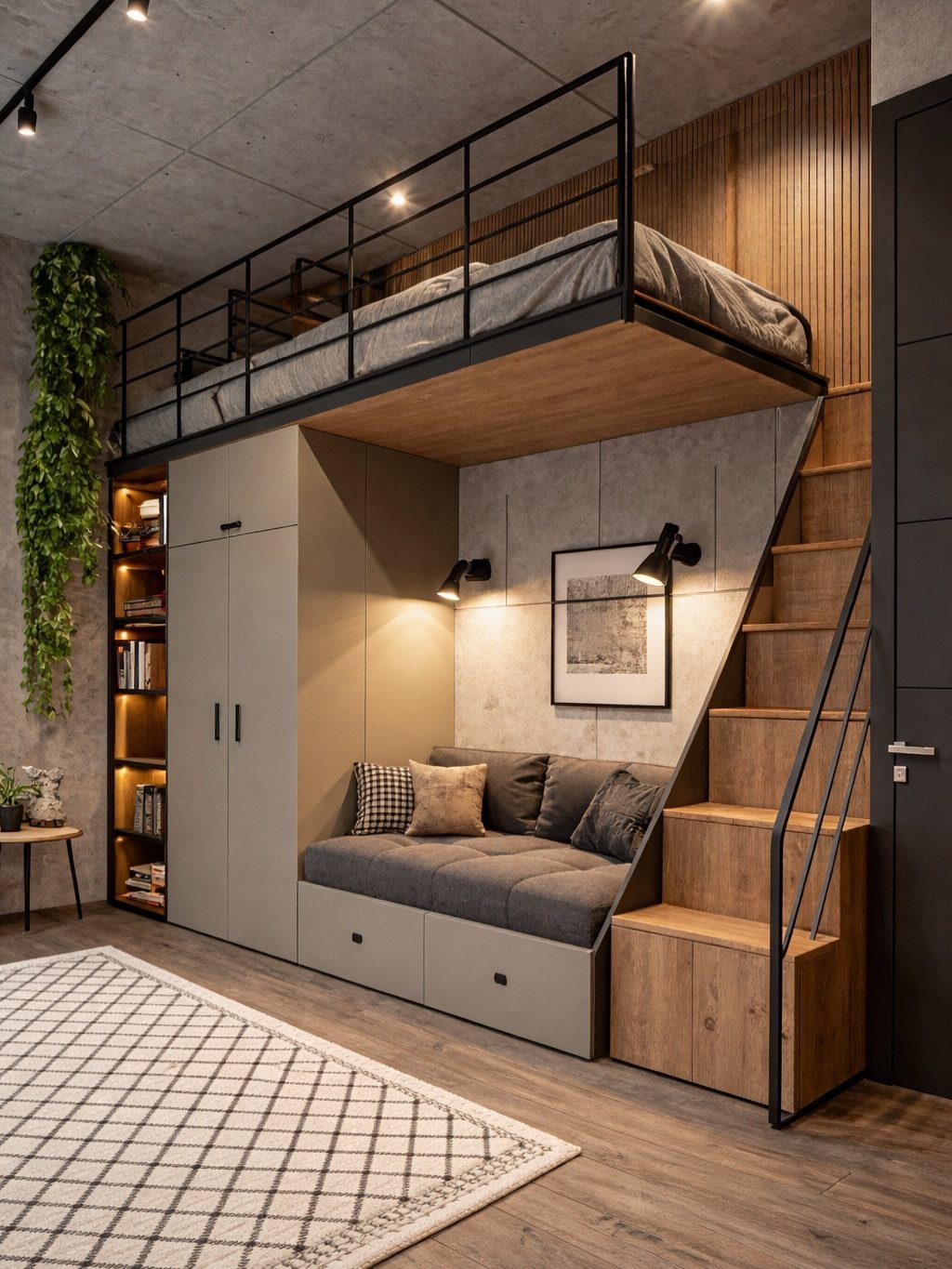
Under a raised platform bed, a cushioned lounge nook gives a teen a hangout spot that doesn’t take any more floor. Wide seat cushions and a pile of pillows pushed to the back are all it needs to feel finished.
Grey upholstery here hides wear better than a pale fabric would, which matters for a spot friends will sprawl on. I’d choose washable covers so spills don’t become a problem.
Built-in wardrobes beside the stairs keep clothes off the nook’s seating. If a full build is out of budget, a store-bought wardrobe in the same grey gets close to the look.
8. Attic Sloped Ceiling Loft
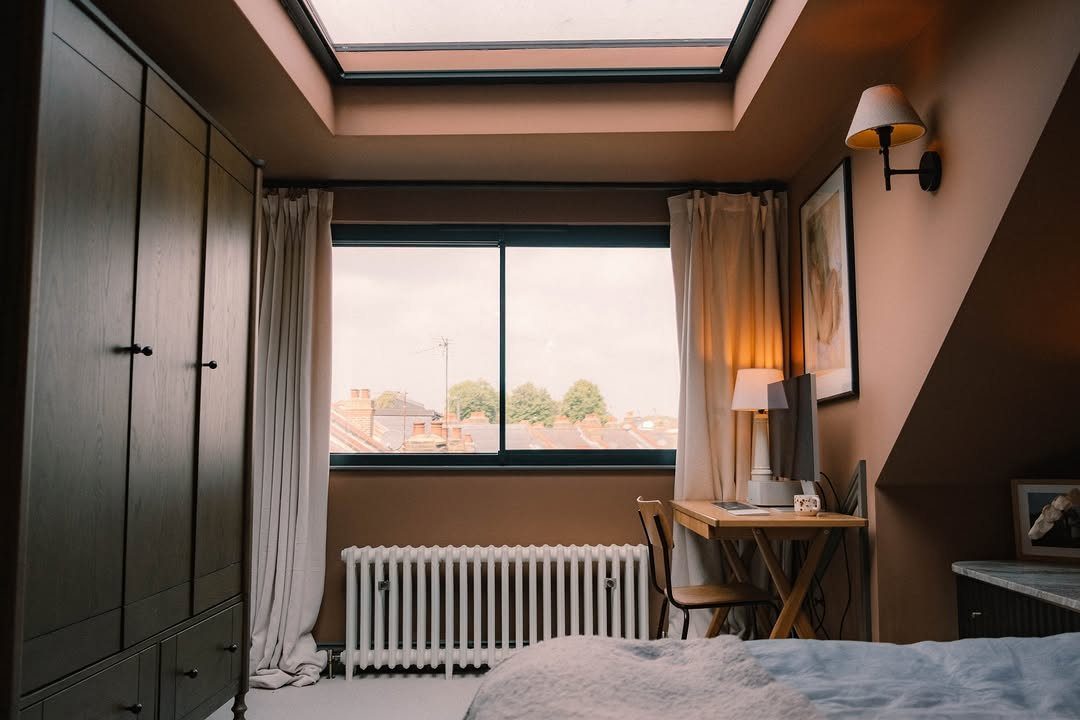
A sloped attic ceiling asks for furniture that stays low, and a wooden desk fits that job well.
Put it under the skylight so homework gets daylight, and keep the tall pieces, like a dark grey wardrobe, where the ceiling is highest.
Brown walls make an attic feel snug rather than cramped, and a white radiator stops the space from turning heavy. I’d keep the trim and large furniture light or neutral against that color.
Test a paint sample first, since a dark shade shifts a lot under a skylight.
Loft Bed Benefits
A loft bed gives you a second level in a room that only has one.
The footprint of the bed stays the same, but the floor space under it becomes a desk, a reading corner, or a spot for a dresser.
Splitting sleep from study also helps a teenager’s habits. When the bed is up top and the desk is below, homework stops happening under the covers, and the room reads as two zones instead of one crowded box.
Small rooms feel larger when the floor is open and the eye travels up.
Check ceiling height first: you need enough clearance above the mattress to sit up without hitting your head, and the frame should stay clear of ceiling fans and fixtures.
Color Schemes for Teen Rooms
Muted tones like sage, dusty rose, and terracotta hold up well in a teen room because they feel warm without shouting. They also age better than bright shades, so the room still works when tastes shift.
Bedding is the easiest place to adjust the mood. A slate jersey duvet, for example, keeps a soft wall color from reading too young as your teen gets older, and swapping fabric costs a fraction of what you’d spend repainting.
Lighting matters as much as paint. Paired wall sconces flanking the sleeping area warm up a floor and save you from adding floor lamps in a tight room.
Materials for Loft Beds
Steel, natural wood, and painted finishes each set a different tone, so pick the material before you pick the color.
Wood is the warmest choice. The grain catches daylight along the beams, and soft sage walls suit it well.
Matte grey steel pairs well with soft lavender walls, giving a calm look that feels less like a kid’s room.
Plug-in string lights and clip-on lamps for a loft bed need no rewiring, cost little, and come down easily if you rent.
Frequently Asked Questions
Is a loft bed a good idea for a teen?
Yes, in most rooms. Before you buy, measure from floor to ceiling: the sleeper needs clearance to sit up on the mattress, and the frame itself has to fit under any ceiling fan or hanging light.
What are the trends for teenage girl bedrooms?
Right now, the palette is quieter than it was 5 years ago: sage, dusty rose, terracotta, and soft lavender instead of bold primaries, and layouts built for homework and sleep in the same footprint.
Those colors hold up better over time because they don’t date themselves the way bright accents do, and a 14-year-old’s taste won’t match a 17-year-old’s.
If the wall color stays neutral, bedding becomes the easiest way to shift the mood without repainting or replacing furniture.





