I’ll admit something a bedroom blogger probably shouldn’t: for a long time, my spare room was a storage room that happened to have a bed in it.
Boxes along one wall. A dresser full of things I didn’t need but couldn’t toss. A closet packed tight with off-season coats. And in the middle of it all, a made bed, looking hopeful.
I called it the guest room. Anyone who stayed over would have called it something else.
The Suitcase on the Floor
Here’s what a visit looked like from the other side. Whoever was staying opened a suitcase on the floor, because there was nowhere else for it, and lived out of it the whole time. Not one empty drawer. Not one free hanger. And nothing beside the bed to set down a phone, a glass of water or a book, so all of those ended up on the floor too.
Nobody complained. That was almost worse. I only noticed when I walked past the open door one morning and the room looked like a campsite.
So I read up on setting up a guest room, and the advice was humbling in how simple it was. Empty a drawer. Free up a few hangers. Get a folding luggage rack so the suitcase lives at waist height. Put a lamp and an outlet within reach of the pillow. And the tip that changed everything: sleep in the room yourself for 1 night.
I did. That night taught me more than any checklist. The clock on the nightstand ticked so loudly that I was still awake at 2 a.m., listening to it. I’d never noticed, because I’d never slept in there.
The next day it was swapped for a silent analog clock. Then came the empty drawer, the hangers, the rack. The room stopped being storage with a bed and started being a room.
That one night made me curious about every bedroom in a home: main bedrooms, nurseries, shared rooms, bunk beds stacked toward the ceiling. The reading turned into Rooms Made Homey.
The Man Behind the Byline
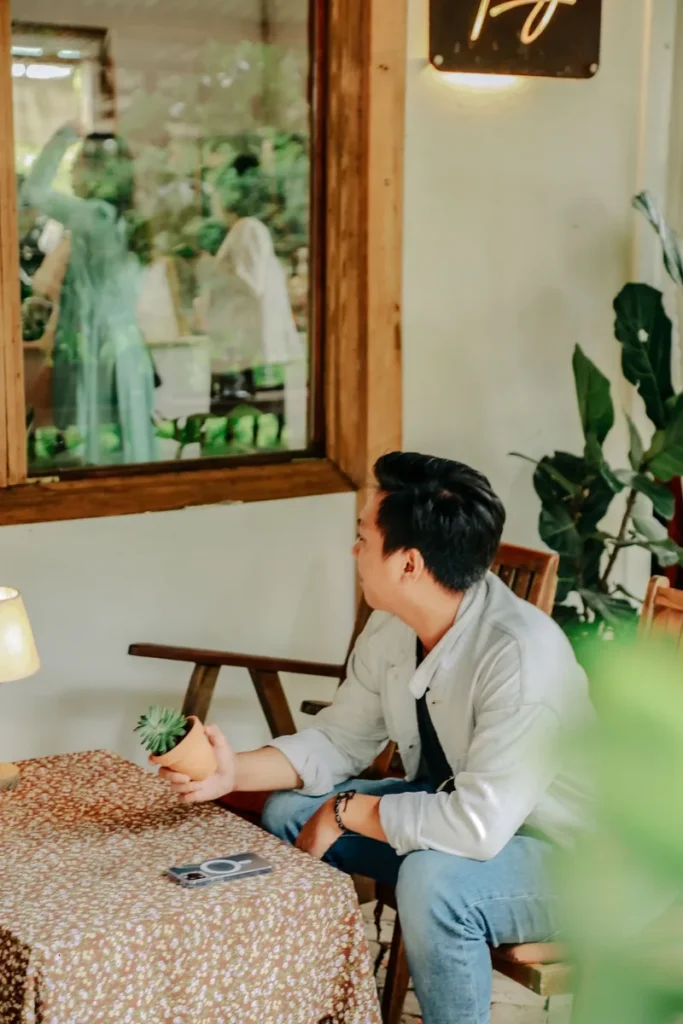
Vincent N. Whitlock is the byline, a pen name for one man: me. There’s no interior designer behind this byline, and no licensed contractor either. I’m a guy who learned the most useful thing about guest rooms by spending a sleepless night in one, and who reads bedroom advice with that night in mind.
What That Night Left Me With

Any time I change something in the guest room, whether it’s a new lamp, a mattress topper or a rearranged nightstand, I sleep in there for a night. It’s the only verdict on that room that counts.
The silent clock is still on that nightstand. It’s the quietest thing I own, and I’m weirdly proud of it.
When I read a guest room checklist online, I cross off everything that’s decoration. Throw pillows, scented candles, the little welcome sign. Whatever’s left is what a guest really uses, and it’s usually a short list.
Pet peeve: guest rooms with no hook on the back of the door. Where’s the towel supposed to go? The robe? The jacket somebody wore in? A hook costs a few dollars and solves all 3.
Why I Stuck With Bedrooms
A bedroom is the one room you use with your eyes closed. You’ll forgive a lot in a living room. In a bedroom, a ticking clock or a lamp out of reach can cost you a night’s sleep.
And every bedroom has a different sleeper. A guest in for 2 nights. A baby whose nursery has to work around a dark wood dresser. Kids sharing a room with a low ceiling. Someone who just wants a calmer main bedroom. Each needs something different, and I like working out what.
2 Shelves of Bedroom Ideas
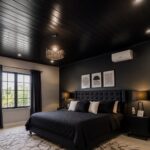
Bedrooms covers the grown-up side: black accent walls, feature walls from wallpaper to stone, bookcases for rooms of any size, curtains for bedroom windows, decor for above the bed, and spare bedroom makeovers that turn the room into a gym or a little home cinema.
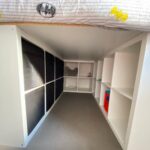
Kids Rooms is for the smaller sleepers: blue and green or pink and green nurseries, IKEA nursery ideas on a budget, loft bed hacks and DIY frames with stairs and desks, and yes, bunk bed and crib combos, which really do exist. There’s even a move-in list of things to bring to a dorm room.
If Your Spare Room Is a Storage Unit
You, probably, if you rent or just bought your first place and want a bedroom that works without hiring anyone. You search on Google when you’re mid-project and browse Pinterest when you’re dreaming. You’ve got somewhere between $200 and $1,000, and a weekend.
If you’ve got a spare room that’s quietly turned into a storage unit, you’re definitely who I’m writing for. I see you. I was you.
Drafts, Checks and Fixes
Every post on Rooms Made Homey begins as an AI draft. Subjects come from what people look up on Google and save on Pinterest. That’s how a question like whether bunk bed and crib combos exist became a post.
Then I read it, all of it, before it goes live. One reader, every post. I fix what’s wrong or muddled as I go: a measurement that doesn’t match, an idea that won’t fit a real room, a sentence that rambles.
Buying guides get a closer look: I line up specs and prices with the listings they were pulled from, so a crib’s dimensions in a post should match its source. I don’t assemble or sleep on the products in a roundup; makers’ listings and specs are what those guides work from.
Most pictures in posts come from people’s public Pinterest and Instagram accounts, and each one carries the sharing account’s @handle, which points back to where it was posted. Pictures made with AI are only there to illustrate a room or a decor idea, and none of them shows a real home.
Catch an error, or notice a crib or bed has changed since its post went live? The post gets fixed. My inbox is [email protected], and there’s a form on the contact page.
When a post links to a crib or a loft bed, the link usually goes to Amazon. As an Amazon Associate I earn from qualifying purchases. There’s more in the Editorial Standards and the AI Content Disclosure.
Go Sleep in Your Own Guest Room
Tonight, or this weekend. Bring a phone and a book, and notice where you end up setting them down. Listen for the clock. Try to hang up a towel.
Whatever bugs you by morning, fix that first. Your next guest will never know why the room feels so easy, and that’s the point.