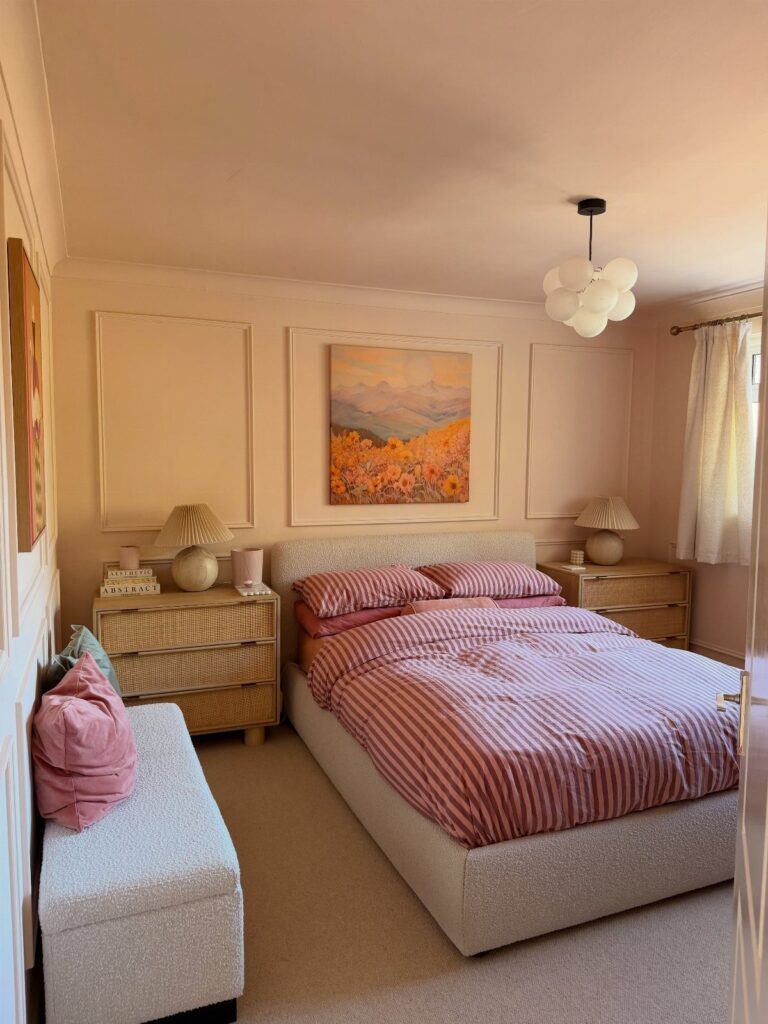
Ideas here run from a new duvet cover you pull on in minutes to painting a whole room in a weekend, and none needs more than basic tools.
What decides your pick is whether you rent: if you can’t drill or paint, lean on a mirror on the floor, string lights on adhesive hooks, or fabric wall art hung from a rod, and if you own, paint gives the biggest change per dollar.
Whichever you choose, set a hard spending limit first and hold back 10–15% for surprises.
1. Duvet Cover
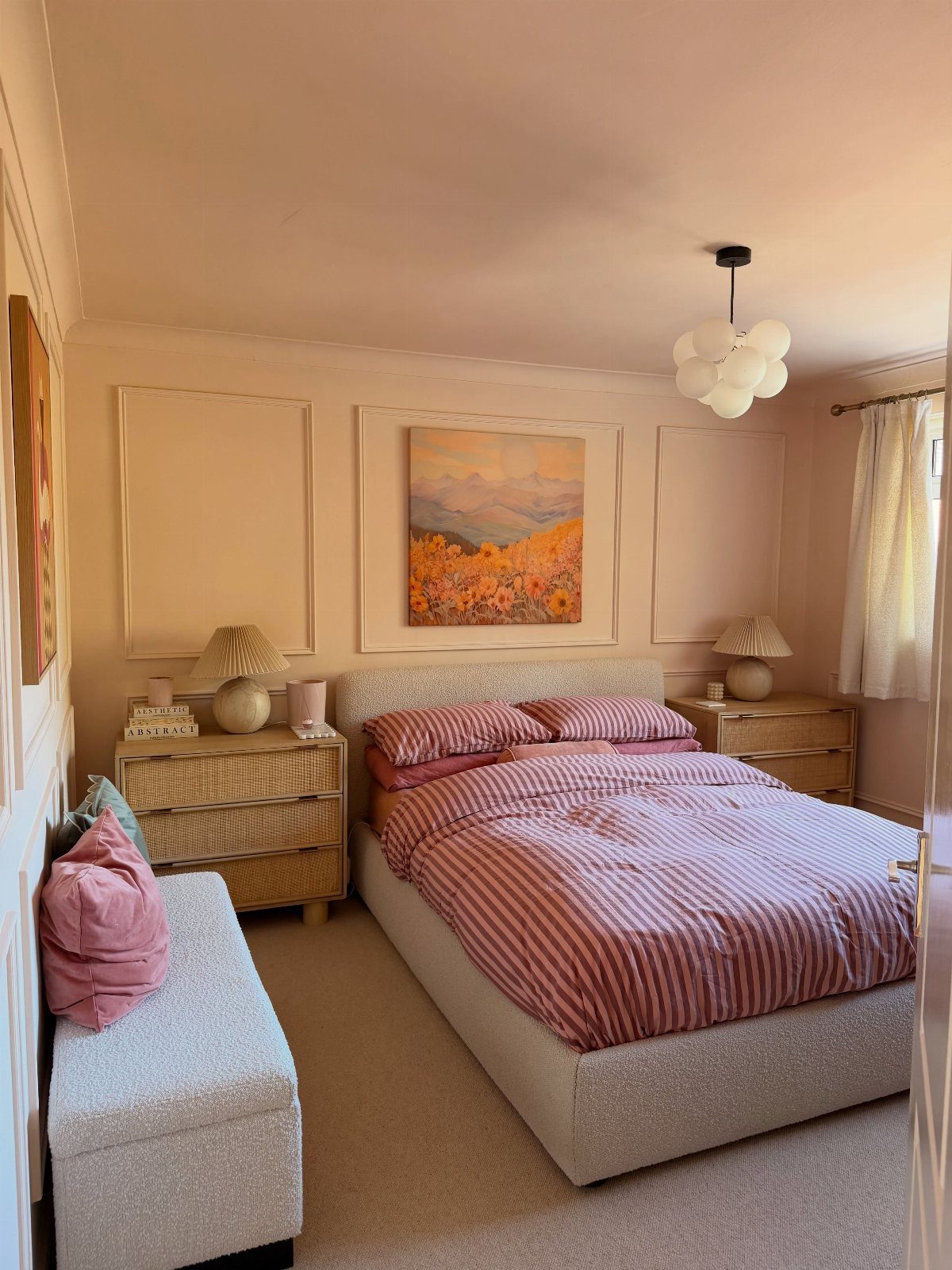
A striped duvet cover costs less than any other single piece that changes how a bed reads in the room.
Pick one strong color and let the walls and furniture stay quiet around it. Buy a cover that fits your insert, and swap it with the seasons.
2. Chunky Knit Blanket
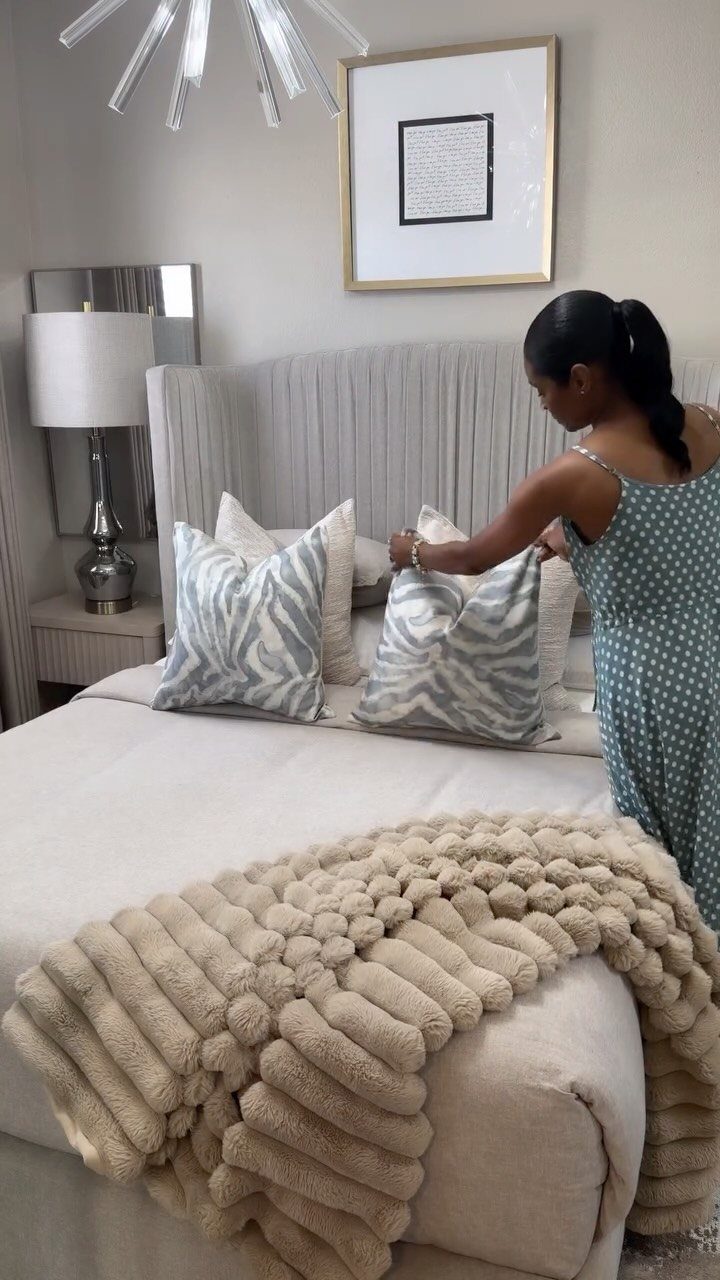
Beige keeps a chunky knit blanket easy to live with, and that is the version I’d pick for most rooms. Draped across the foot of the bed, it adds texture without competing with patterned throw pillows.
Fold it in thirds lengthwise for a tidy band, or let one corner fall loose for a relaxed look. A neutral blanket also works with whatever pillows you swap in later, which keeps the spend low.
3. DIY Headboard
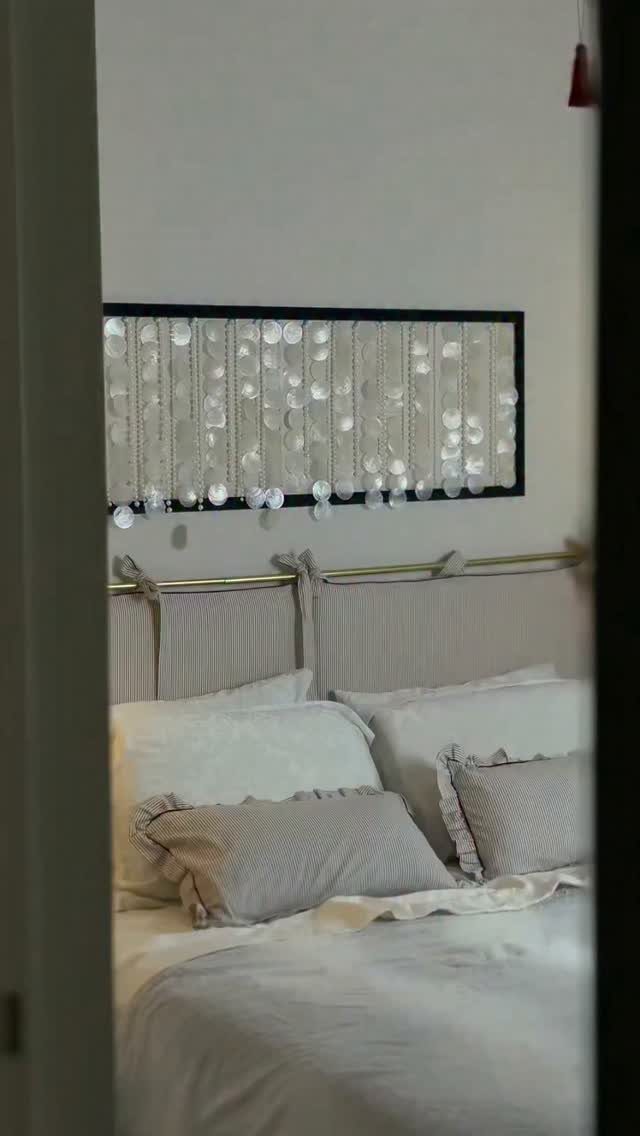
Hanging fabric from a gold rod gives you a headboard with no carpentry at all. Mount the rod on the wall behind the bed, then drape a fabric panel over it so it falls behind the pillows.
Fabric is cheap compared with a built headboard, and you pick the color and pattern yourself.
A decorative wall hanging above it, as here, fills the blank space overhead. This is a one-afternoon project, and it comes down in minutes for renters.
4. Painted Walls
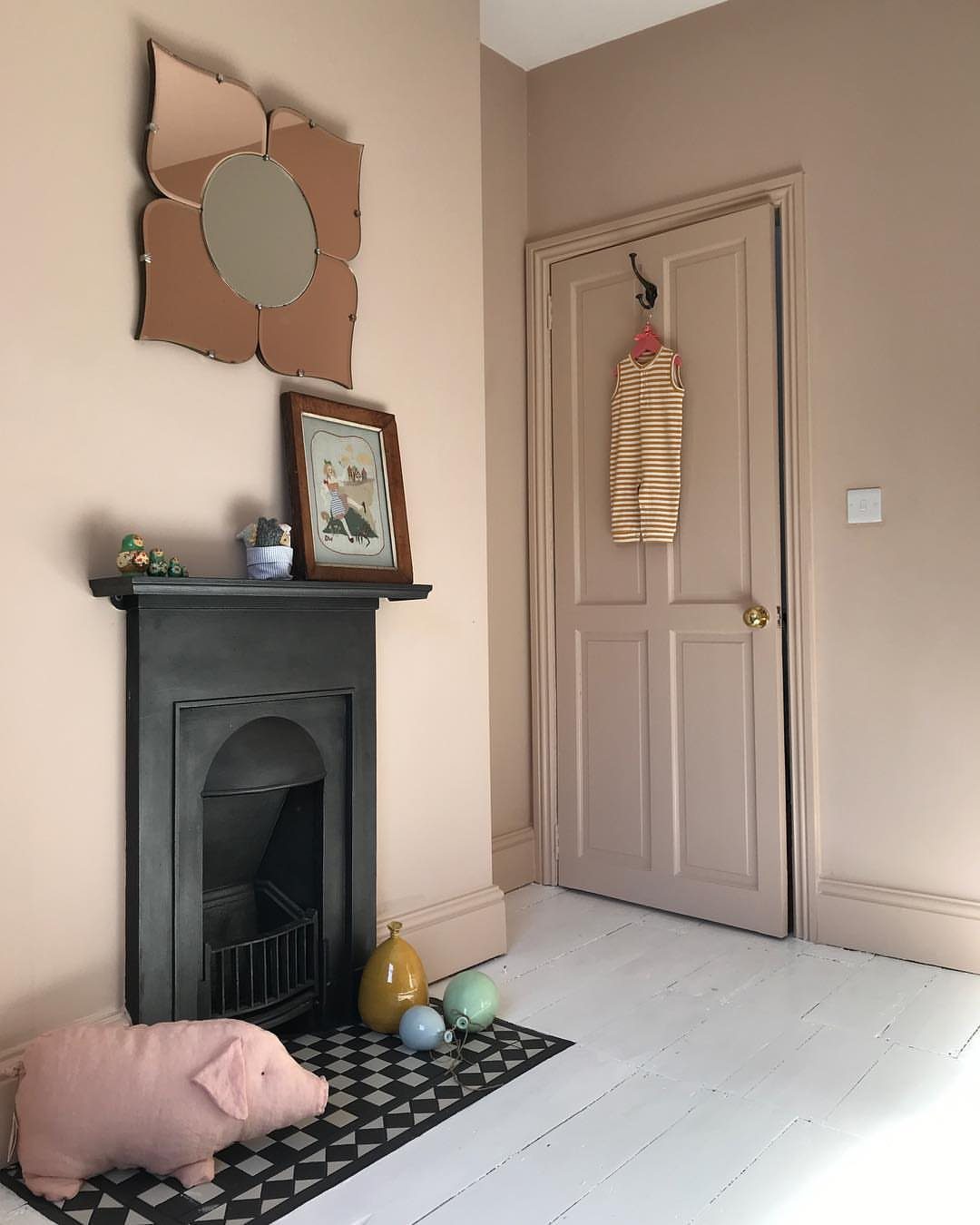
Dusty pink on every wall makes a room feel soft and finished, even when the furniture is mismatched. A black fireplace and a black and white rug keep the color from turning sugary.
Paint is the biggest visual change per dollar you can buy, and a weekend is plenty for one room.
Sample a swatch on the wall and check it morning and evening before buying gallons. Muted shades like this one are the forgiving choice.
5. String Lights
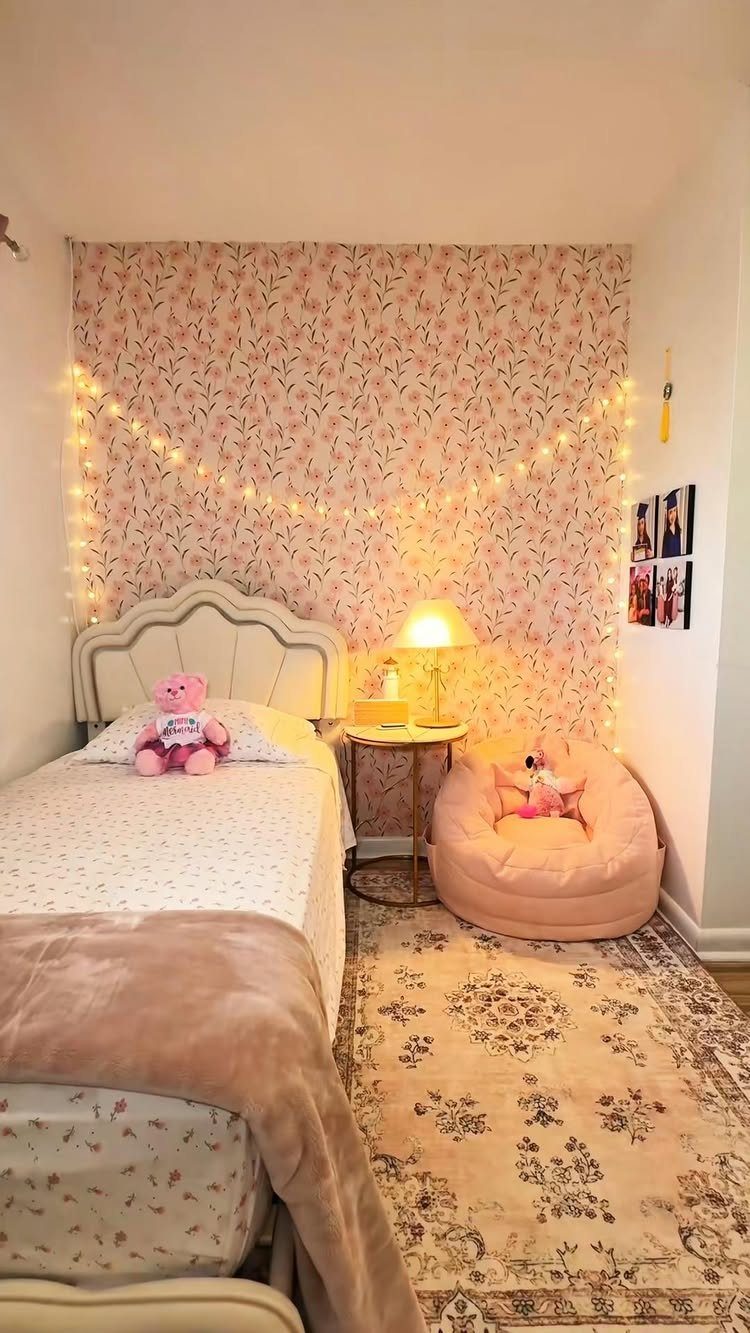
Draping string lights across a wall adds a warm glow that overhead fixtures rarely manage. Against busy floral wallpaper, I’d keep the strand to one simple line so the pattern stays the star.
Small adhesive hooks hold the strand without nail holes, which suits renters. Choose warm white bulbs for a cozy feel, and plug the strand into a timer so it switches off on its own at night.
6. Fabric Wall Art
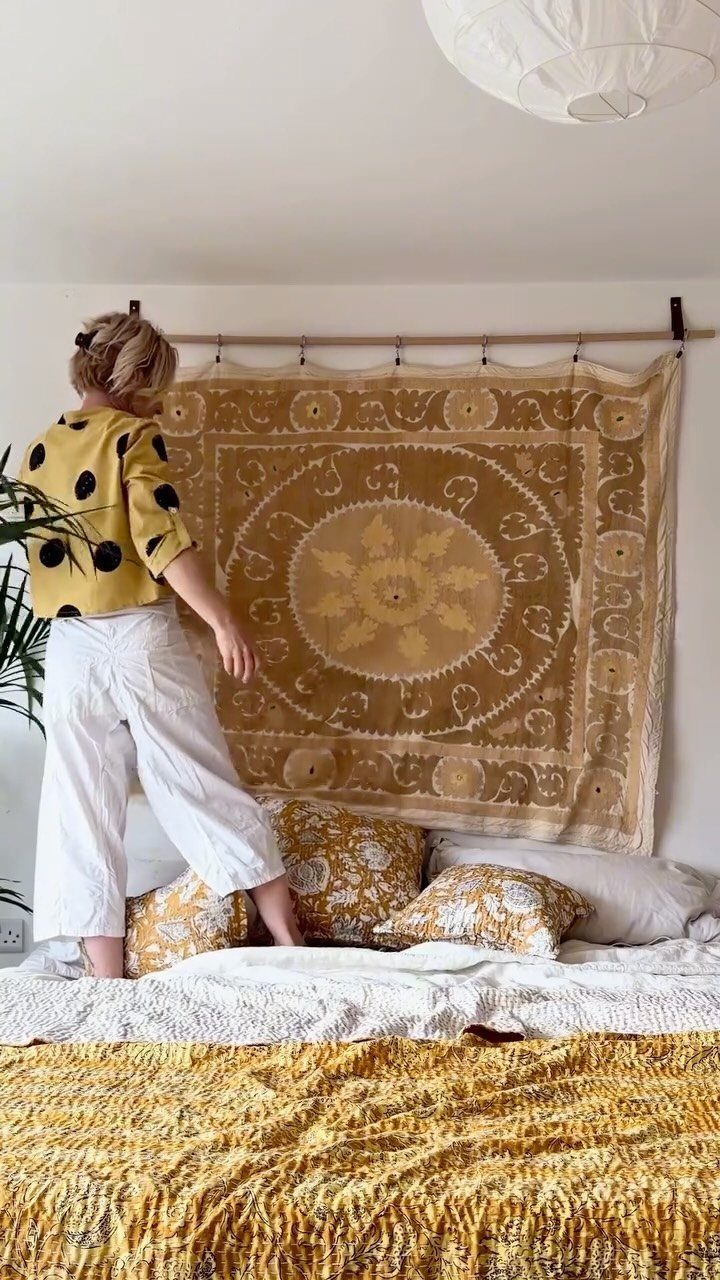
A large piece of patterned fabric hung from a rod works as wall art for the price of a few yards of cloth. Mustard yellow on a white wall adds a strong color with no paint.
Fabric can also serve as curtains, so one purchase can do double duty.
Sew a simple pocket along the top edge, or use clips, then slide a rod through and hang it where the headboard would go. Measure the wall first, and go bigger than you think you need.
7. Large Mirror
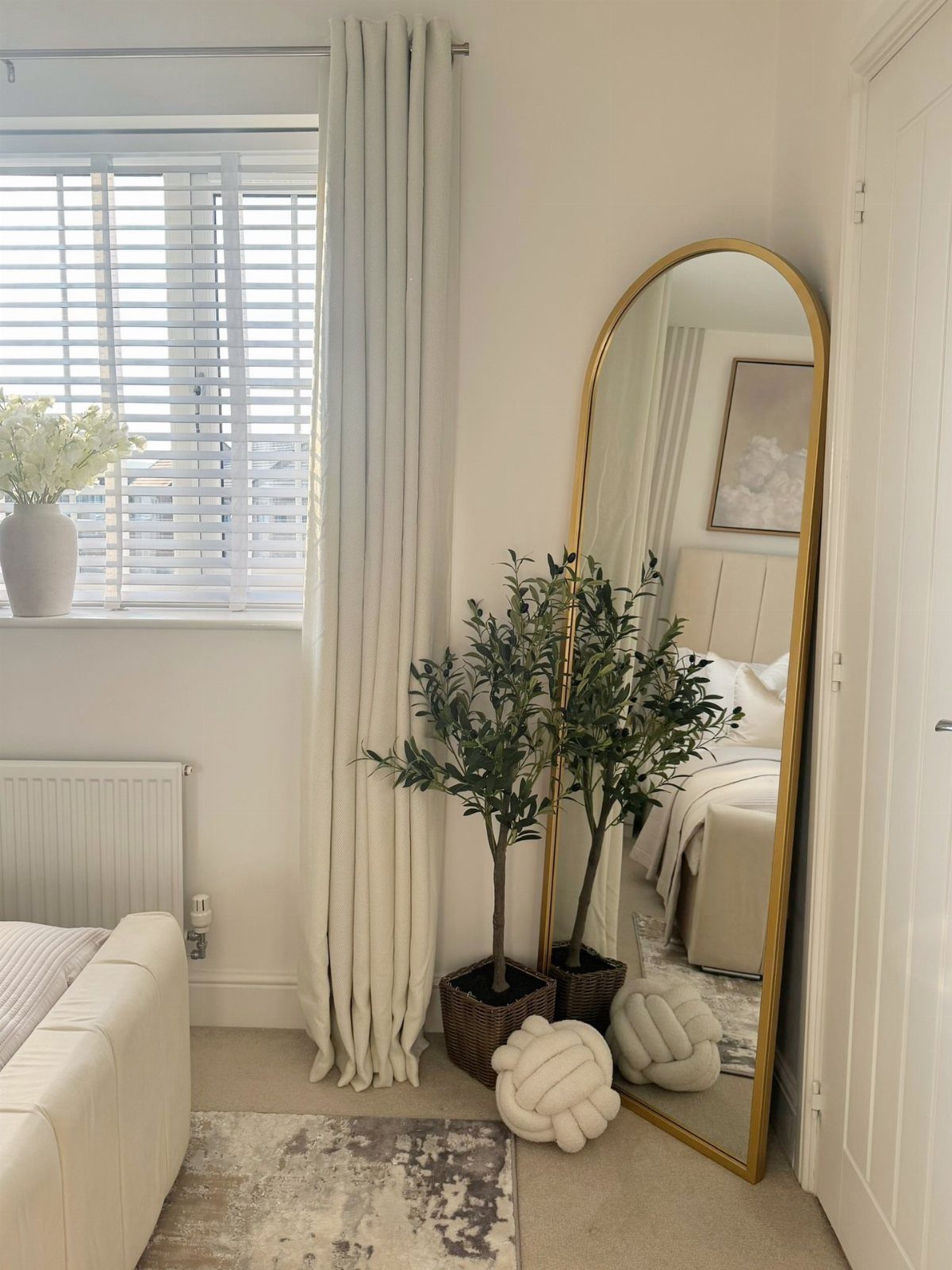
An arched mirror with a thin gold frame can lean on the wall with no hardware at all, so it suits renters who can’t drill.
Set it on the floor, tilt it back a couple of inches, and it bounces light around the room.
Place it where it catches a window or a lamp rather than a blank corner. A potted plant beside it, as here, gives the reflection something green to repeat.
Large mirrors cost more than small ones, so check secondhand listings first.
8. Large Area Rug
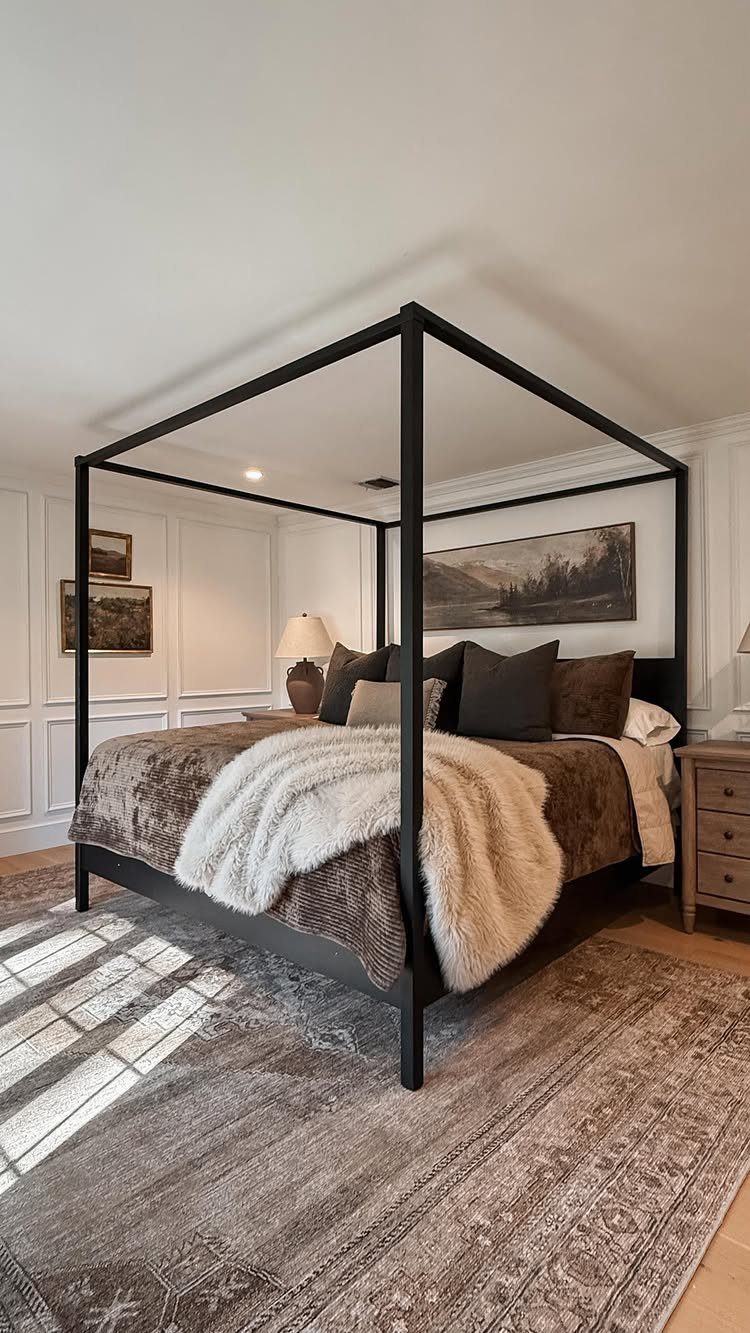
Under a four-poster bed, a large patterned rug marks out the sleeping zone and puts something soft under bare feet in the morning. Grey with a pattern hides dust and stray threads better than a solid.
Size matters more than style. Pull the rug far enough out from the bed that you step onto it from both sides and the foot end, with the front legs of the bed resting on it.
Measure first, and buy the biggest size you can afford.
9. Add Greenery
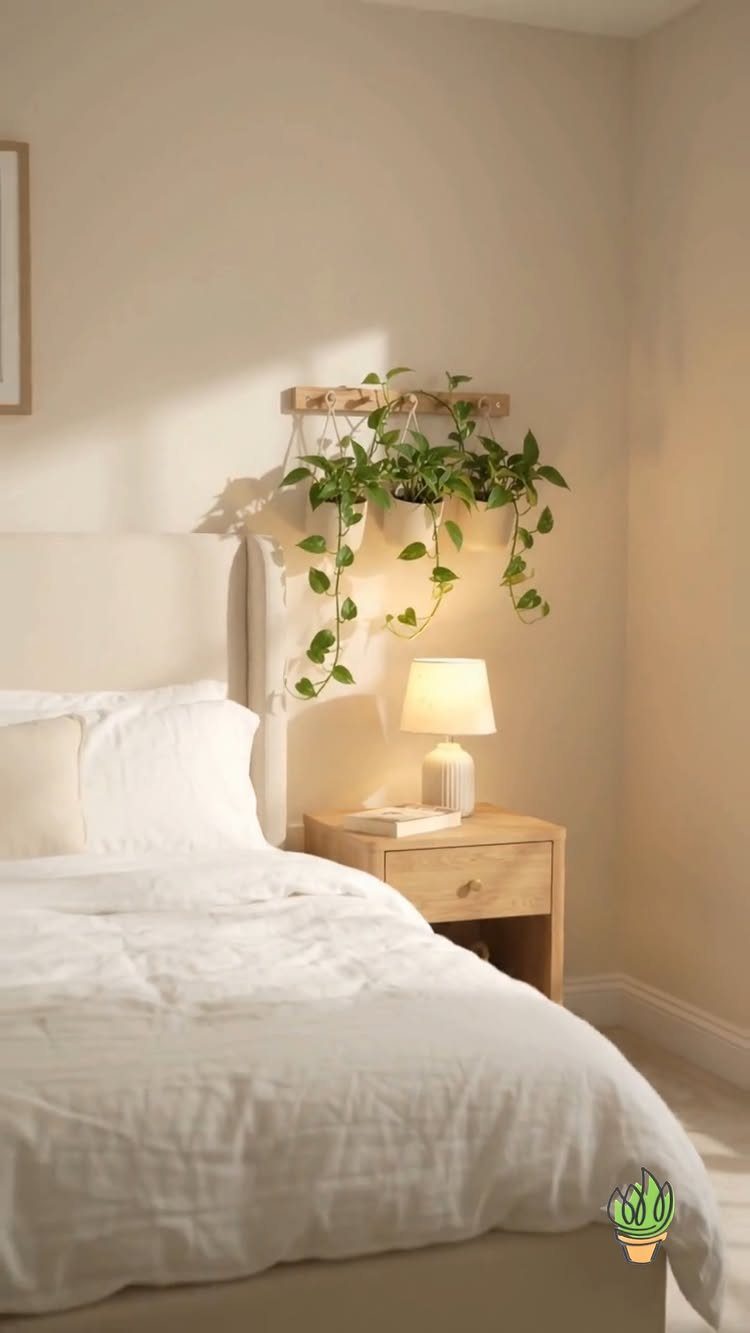
Vines that spill downward fill a plain wall without a single frame.
Pick plants with a hanging habit, and hang them where you can reach them to water. A rack like this is a small weekend build if you’d rather make your own.
Keep the lamp and nightstand clear, so the plants are the only thing competing for attention.
According to the person who made this setup, it is a bedside plant arrangement, which is a good starting point for anyone who wants plants close to the bed.
10. Knobs and Handles
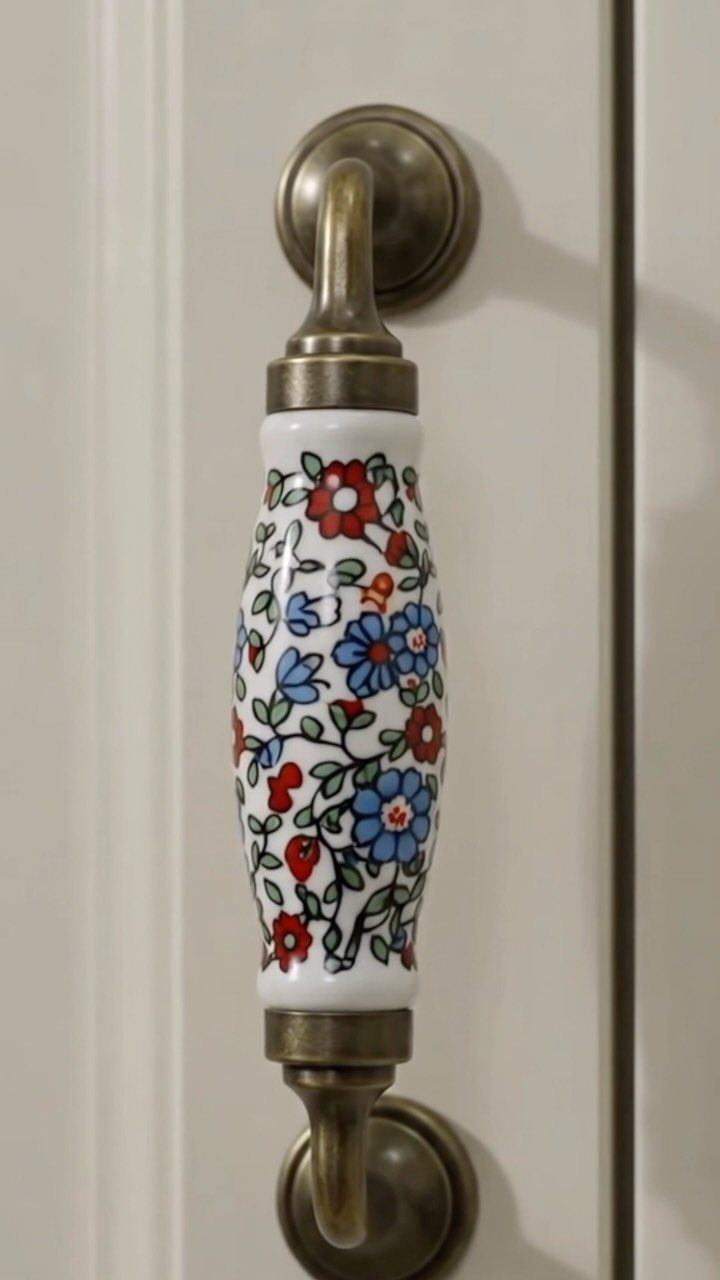
Swapping the pulls on a dresser or door is the cheapest way I know to make old furniture look chosen.
Measure the distance between the screw holes before you buy, so the new pull lines up with the old holes. Then a screwdriver is all it takes, and you can finish in minutes.
Keep the old hardware in a drawer if you rent, and put it back when you move out.
11. Decorative Tray
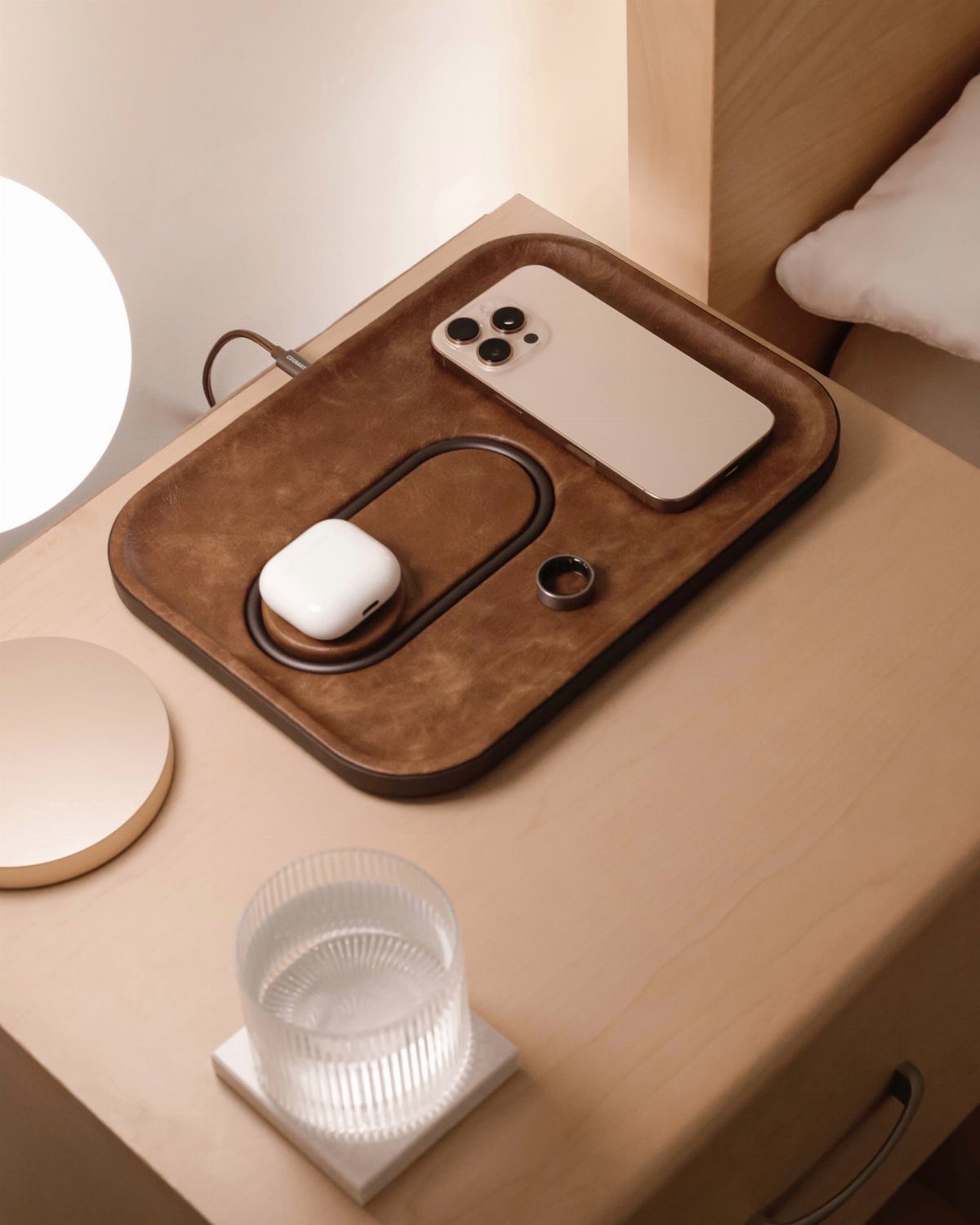
Choose a tray big enough for what you actually set down at night, but small enough to leave room on the surface. Wipe leather with a damp cloth when it gets dusty.
Trays come cheap, so you can try one before committing to a pricier material.
Plan Your Budget
Pick a hard spending limit before you open a single shopping tab, and treat it as a ceiling you never cross. A number written down stops the impulse buys that quietly eat a project.
Spend where the room changes most for the least money: paint or wallpaper, lighting, bedding and textiles, and the furniture layout. Moving the bed or dresser costs nothing, so try that first.
Hold back 10–15% of the total for surprises like a second can of paint, a tool you don’t own, or a small repair. Few projects go exactly to plan, and that cushion keeps one surprise from sinking the rest.
Price your materials ahead of time at a local hardware store or online. Peel-and-stick wallpaper, curtain rods, and lamps all vary widely, so use real prices rather than guesses.
Do the labor yourself. Painting, assembling furniture, and hanging things on the wall are all jobs you can handle, and they save the most money.
The good news is that a bedroom makeover doesn’t have to be an expensive or time-consuming project. Small details like a vase of fresh flowers or a new duvet cover can make your bedroom feel like a dreamy retreat.
Declutter Before Decorating
Clear the room before you buy anything. With nightstands, dressers, and shelves empty, you can see what the space needs, and you may find you already own most of it.
Then put back only a few things. A lamp, a small tray, and a framed photo or candle are plenty for a nightstand.
Group objects in threes and vary their height, say one tall, one medium, one low. That simple arrangement looks styled without any spending.
Leave some bare surface and bare wall on purpose. A bedroom feels calmer when the eye has places to rest, so resist filling every corner with furniture or accessories.
If you pare down and find something missing, check thrift stores before buying new.
Mix Styles and Textures
Layer different fabrics on the bed. The result feels plush, like a hotel bed.
For pattern, pair 2 unlike prints, such as a floral with stripes or plaid. If you feel stuck, start with a patterned rug, then add a textured throw and a striped pillow.
Keep one thing consistent so the mix looks chosen, usually a shared color across the prints. Vary the scale too: a big pattern next to a small one reads better than two of the same size.
Add layers slowly, one piece at a time, and stop when the bed starts to look busy.
Frequently Asked Questions
What is the cheapest way to decorate a bedroom?
A gallon of paint costs less than most decor pieces and changes the whole room in a day. Swapping the bedding is the next cheapest move; a striped duvet cover changes how the whole bed reads.
What are the golden rules for bedroom design?
Set a hard spending limit first, and hold back 10–15% for surprises like a second can of paint. I spend on what shifts the room: wall color, a better lamp, decent sheets, and moving furniture off the walls.
Keep one thing consistent, such as a shared color, when you mix patterns, and vary their scale. A room needs blank wall and floor to feel restful instead of crowded.





