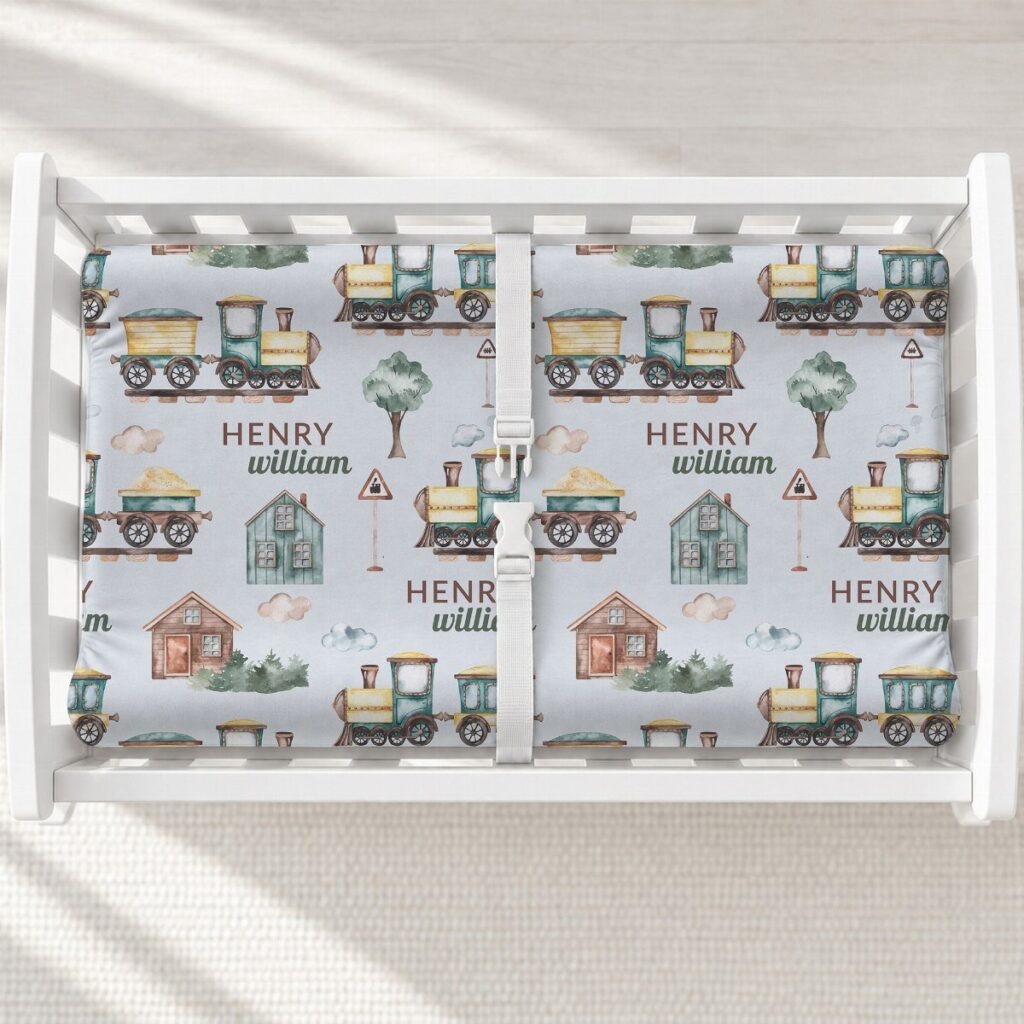
The list runs from the crib, which everything else in the room arranges itself around, down to extras like a wipe warmer that fix one small annoyance, and the line between them is what a newborn actually needs: a crib, a changing station and a comfortable feeding chair, which a weekend is enough to set up.
Your own routine decides what else earns a spot, so add a piece from the list only when it solves a problem you have actually noticed.
Safety sits ahead of style, and a firm mattress that fits the frame snugly beats any decor.
1. Changing Table
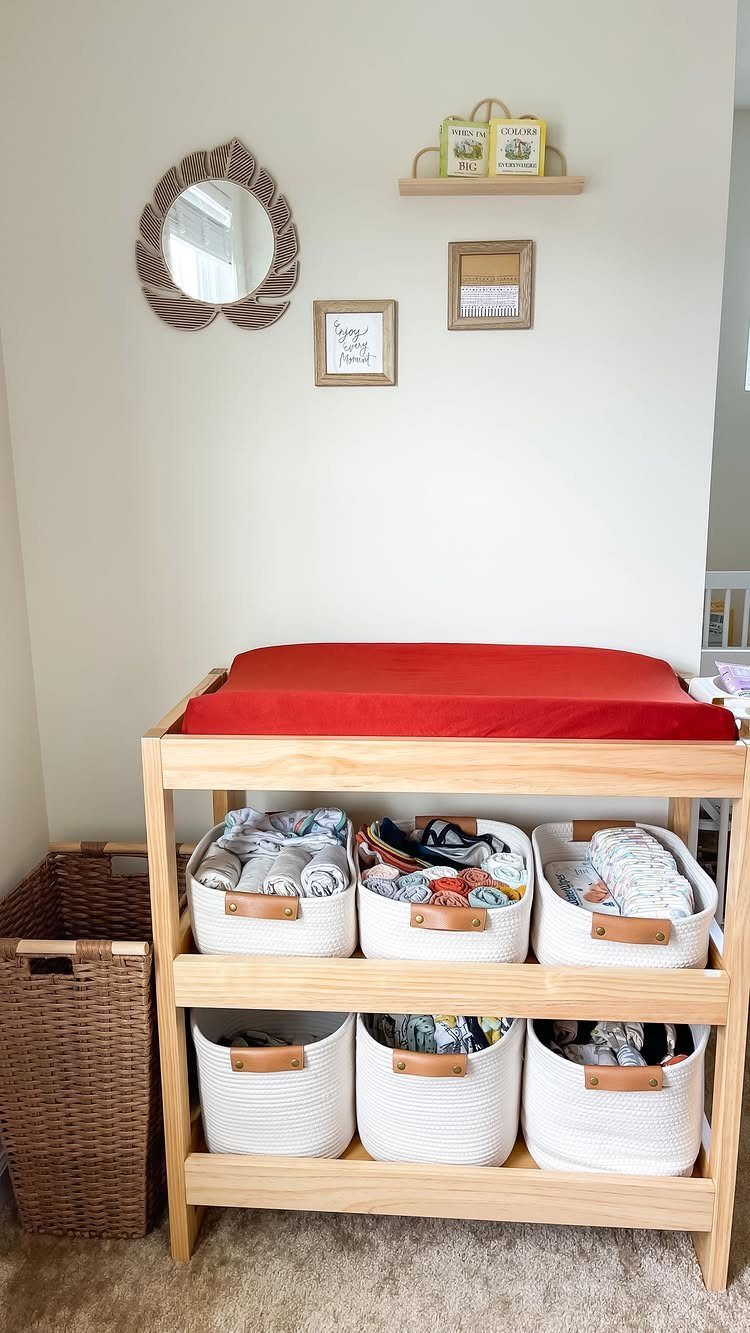
A dedicated changing table gives diaper changes one fixed spot, so wipes, creams and spare outfits all live within arm’s reach.
I like the open shelf and bins under the pad in this style: everything is visible, and you can grab a item with one hand while the other stays on the baby.
Keep the bins sorted by job, one for diapers and one for everything else. A mirror and a few books on the wall give a baby something to look at mid-change.
2. Changing Pad
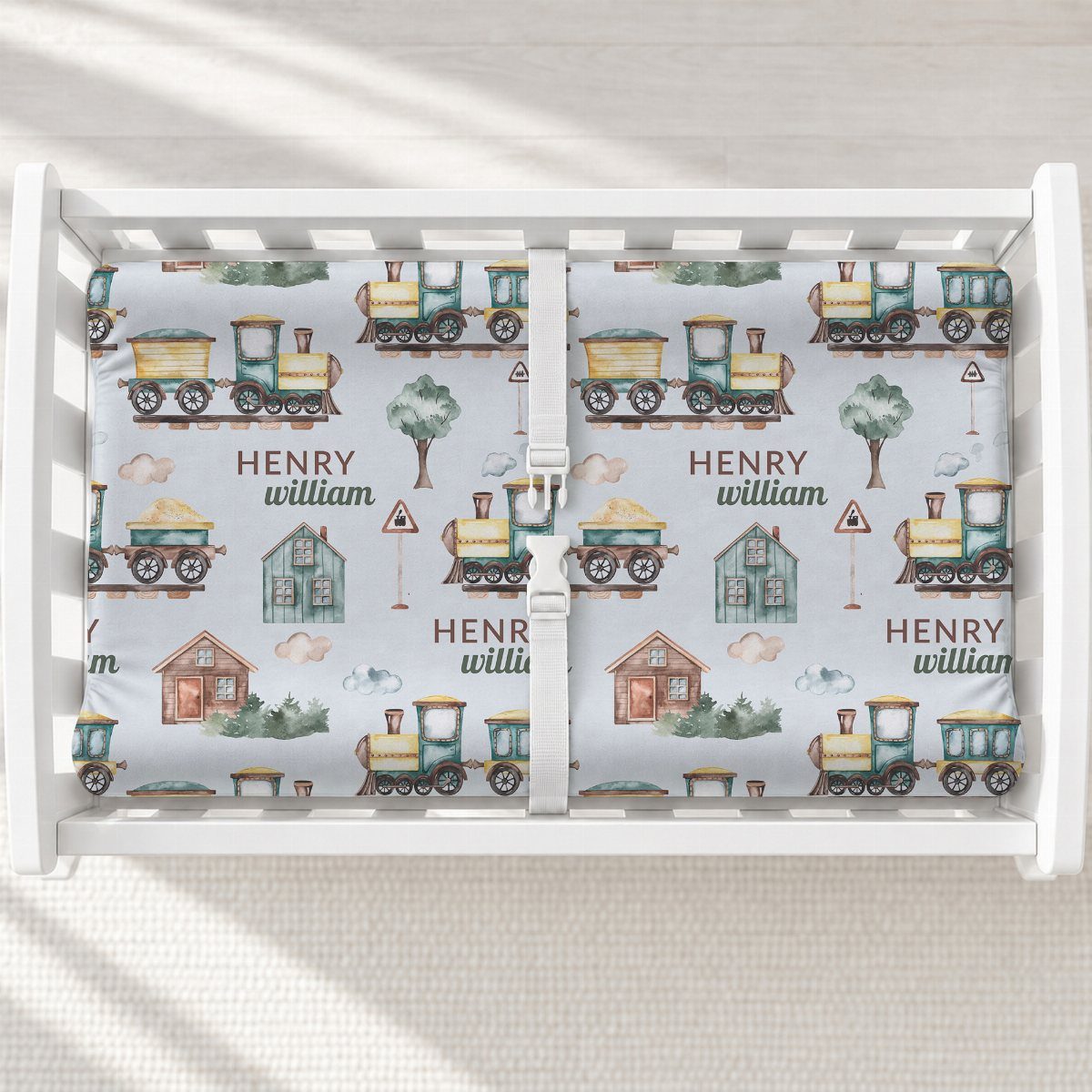
Changing pads are the softest part of the routine, and a snug fit inside the table matters more than the pattern. A pad that slides around is a nuisance on every single change.
I’d pick a removable cover and buy a second one, since spills tend to arrive at the worst moment.
A personalized cover with a name is a sweet touch, though a plain pattern like trains will outlast any trend and costs less to replace.
3. Diaper Pail
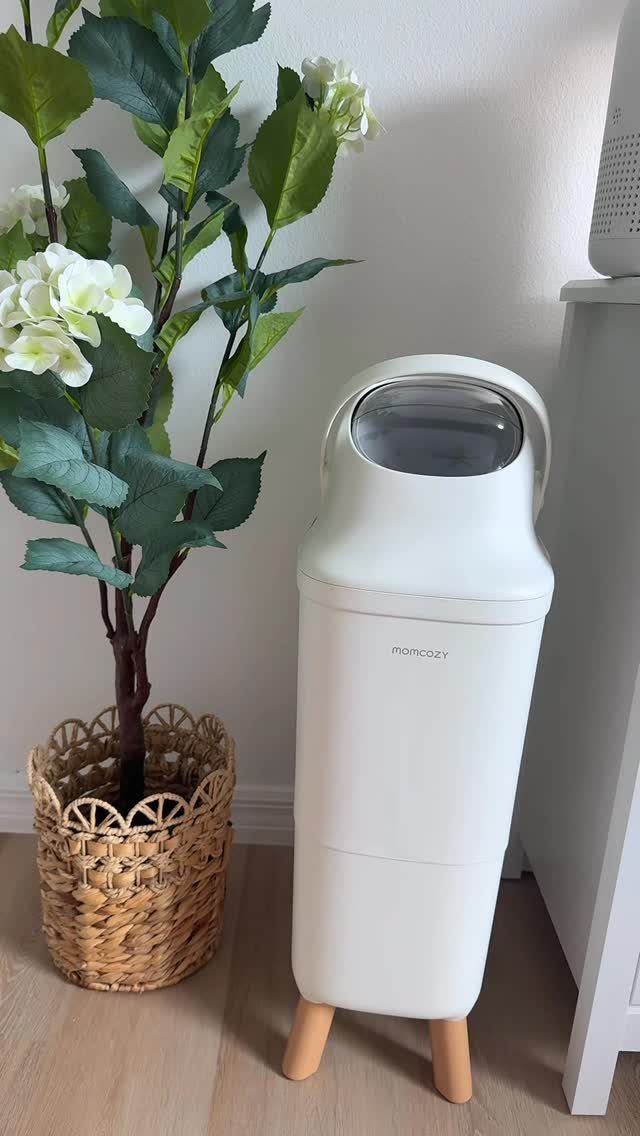
Odor control is the whole job of a diaper pail, and a closed lid with a tidy shape does it without taking over the room.
White with wooden legs, as here, looks more like furniture than a trash can, which matters in a small nursery.
Place it within a step of the changing spot. Beside a dresser works well because it stays out of the walking path.
4. Crib
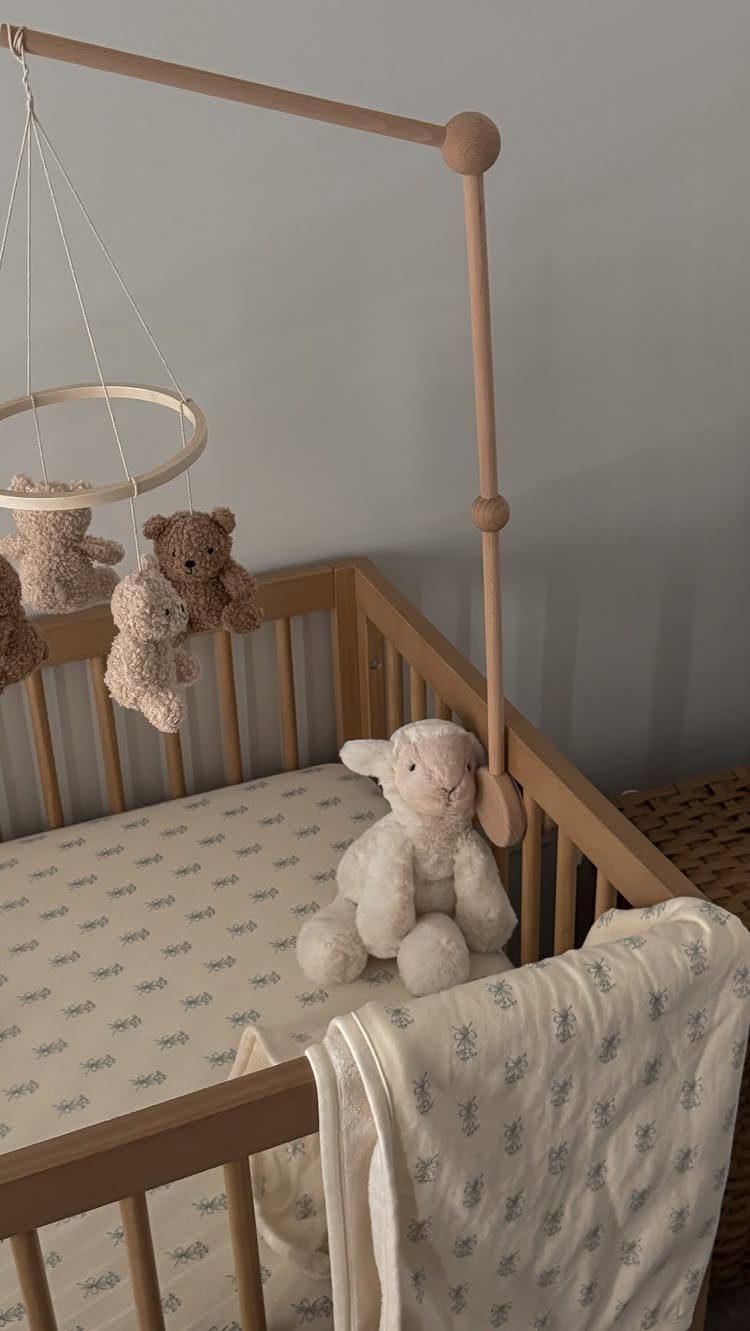
Everything else in the room arranges itself around the crib, so settle that first. A wooden frame in a neutral finish suits almost any wall color and carries through later room changes.
Keep the bedding plain: a fitted sheet and nothing more. The plush lamb and patterned blanket look lovely, but I’d treat them as decor for photos and keep them out of the sleep space.
5. Baby Monitor
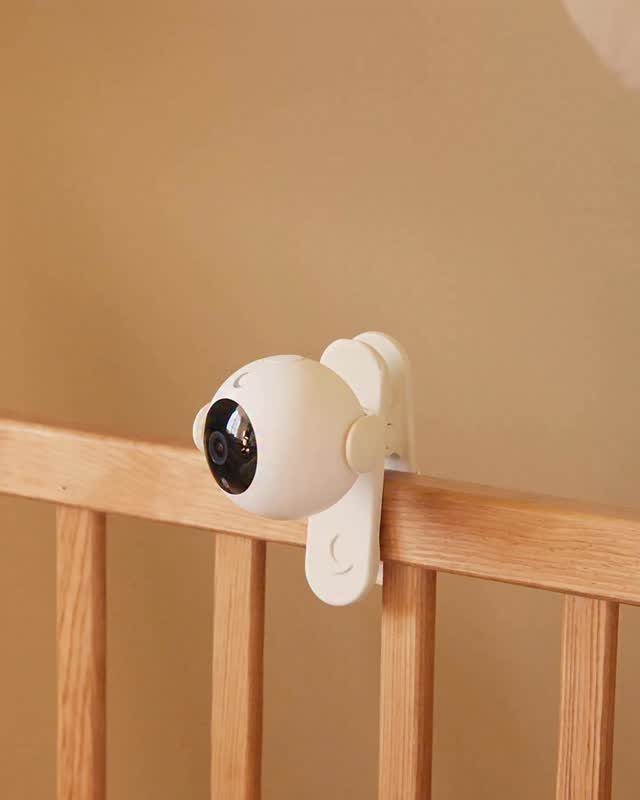
A monitor camera aimed straight down at the mattress gives the angle you want, and it should be mounted on the wall or a shelf, never on the crib itself.
Mount it where it sits firmly, and keep its cord well away from the crib.
White, rounded models blend into a wooden rail and stay unobtrusive. Whatever you buy, test the picture in a dark room before the baby arrives, since night view is the feature you will use most.
6. Glider or Rocking Chair
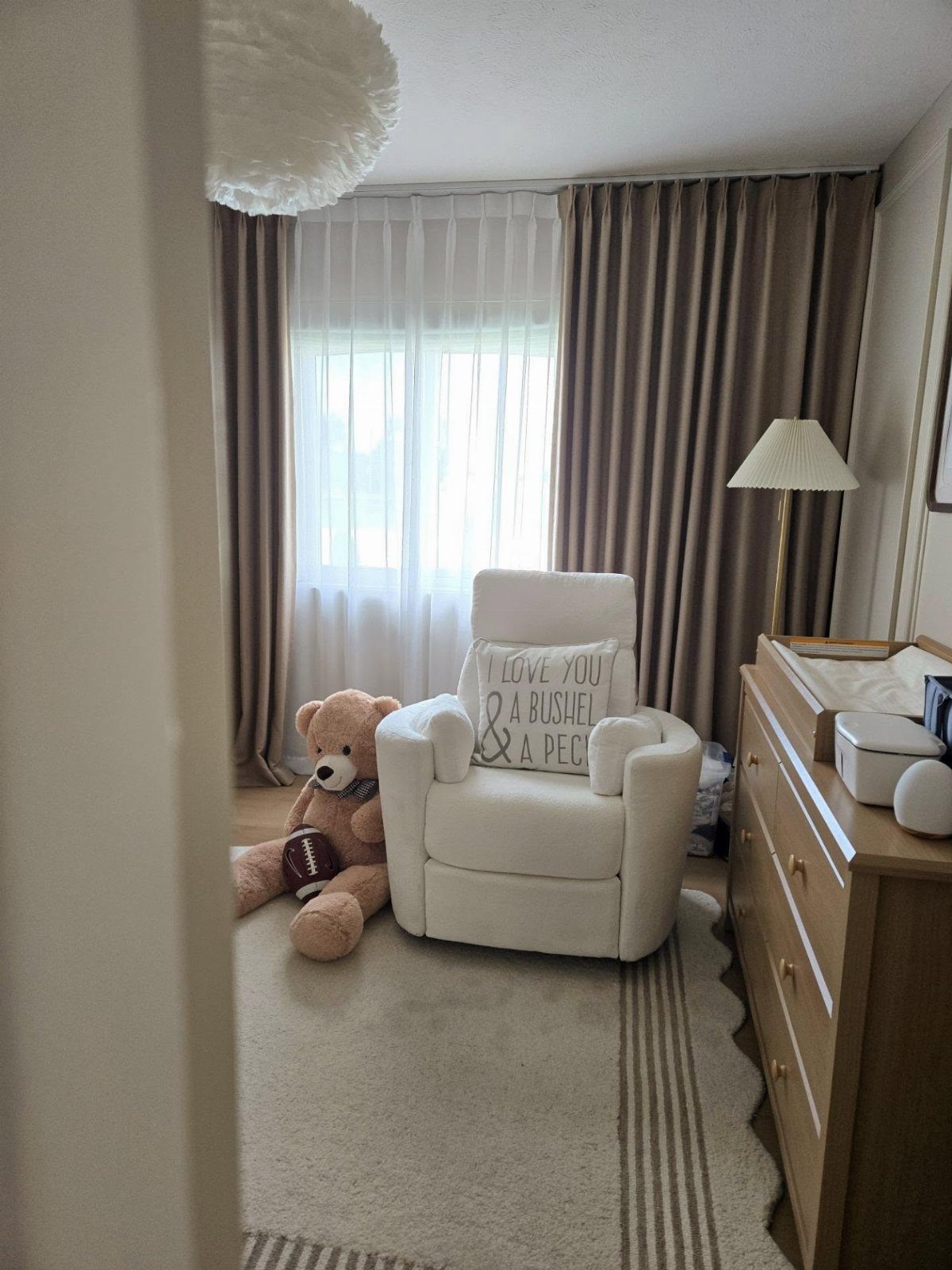
Late-night feeds are long, so the chair deserves a real test before you buy: sit in it for several minutes. A glider that moves smoothly with a supportive back is worth more than any pillow printed with a sweet phrase.
I’d place it within arm’s reach of the changing table, with a rug underfoot to quiet the floor and blackout curtains behind it. Dim, quiet and close to supplies makes the overnight shift easier.
7. Sound Machine
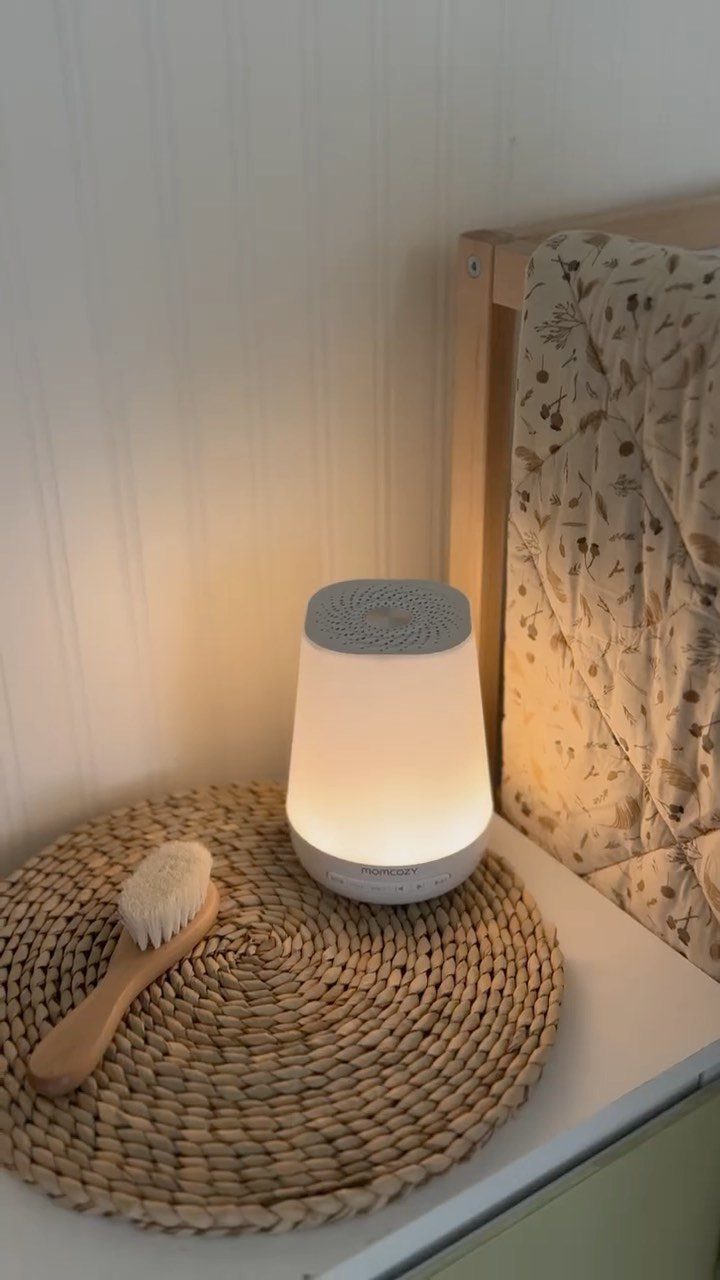
A sound machine masks hallway chatter, a running dishwasher and street noise, so a light sleeper stays down longer. A white unit with a soft glow, like this one, sits quietly beside a crib and doubles as a dim light.
Set it on a shelf or a stable surface across the room, not inside the crib.
I set the volume just loud enough that I can hear it from across the room but still talk at a normal level without raising my voice.
8. Playmat
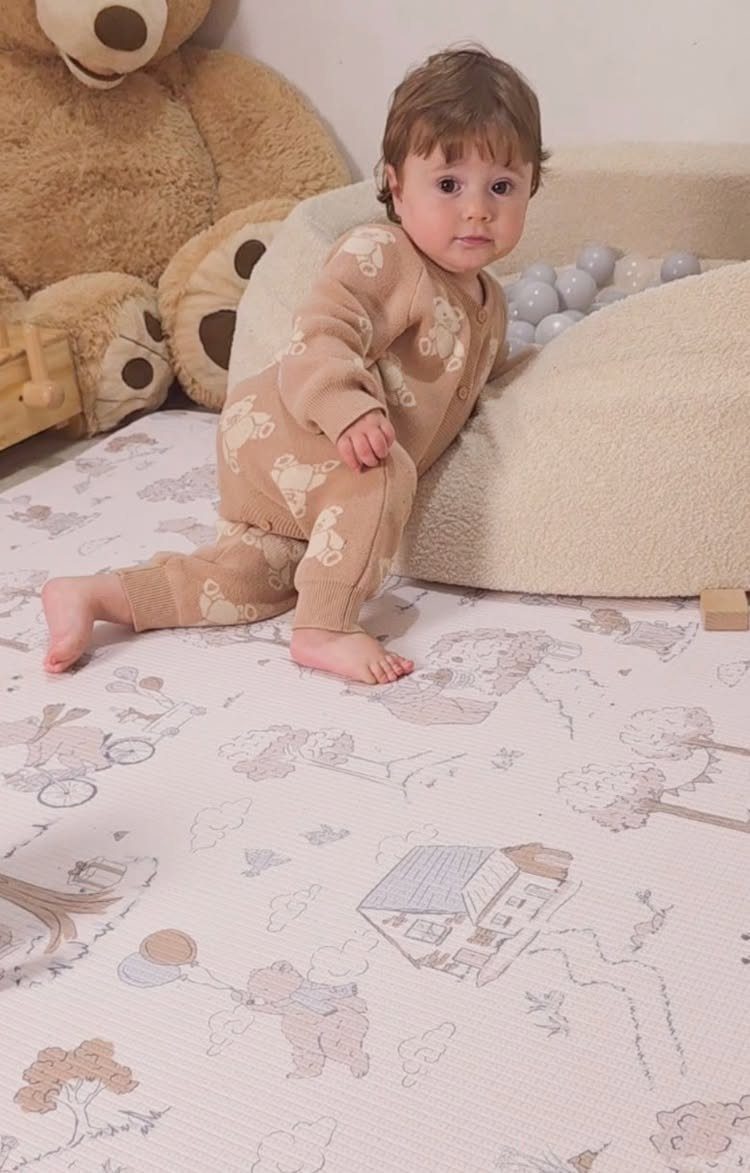
A playmat gives a baby one clearly defined spot for floor time, which is handy in a room where hard flooring and clutter are the main hazards.
Choose a mat that wipes clean, since spills and drool are guaranteed. Pick a size that fits the open floor you actually have, then build the play zone around it.
9. Nursing Pillow
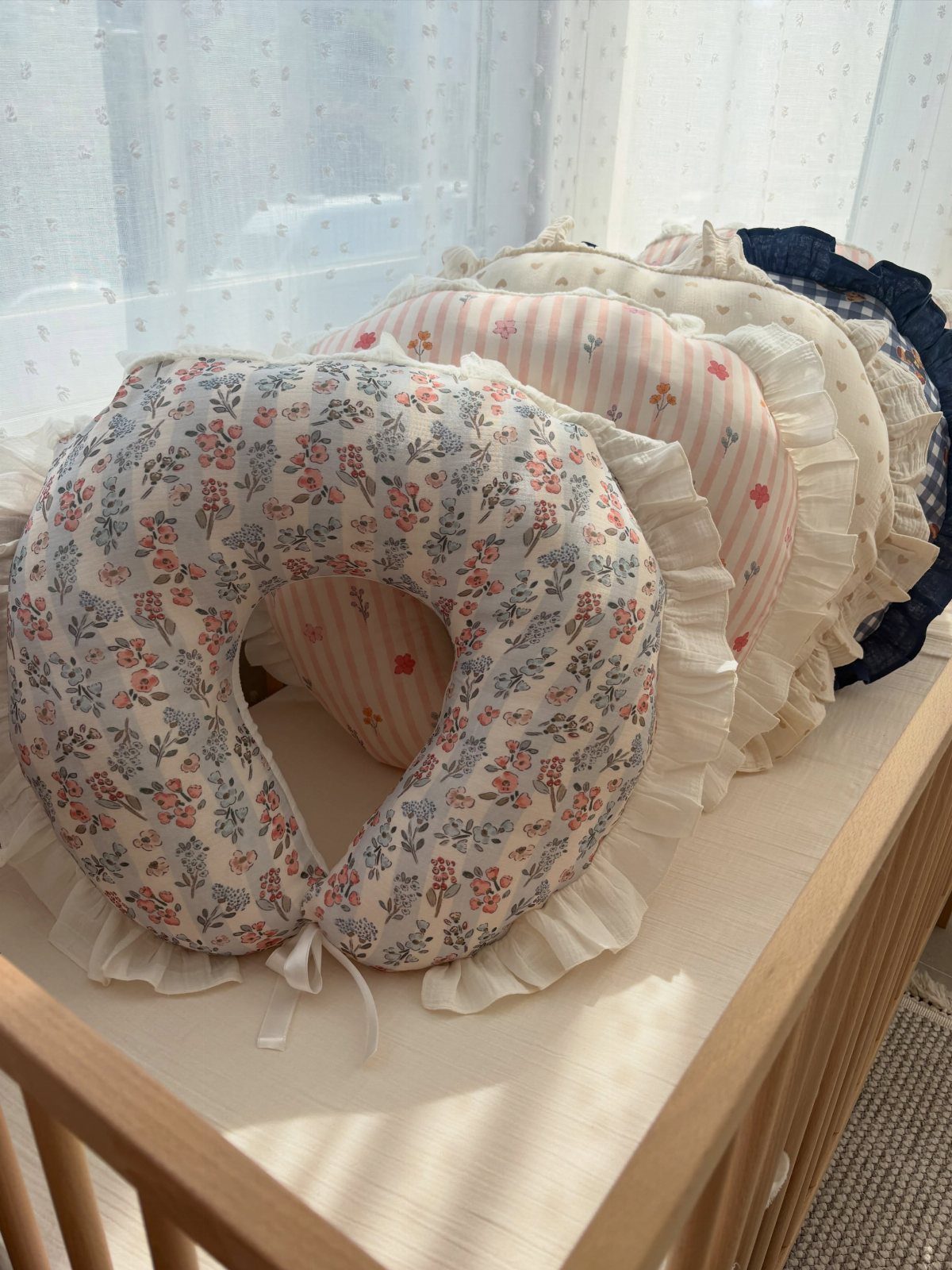
Feeding sessions run long, and a nursing pillow takes the weight of the baby off your arms and back.
Ruffled covers in floral or striped patterns look sweet, but a plain cover you can pull off and wash is the more practical pick.
Keep it beside the chair so it is within reach when you sit down. I’d buy a spare cover, since spit-up happens fast.
10. Wipe Warmer
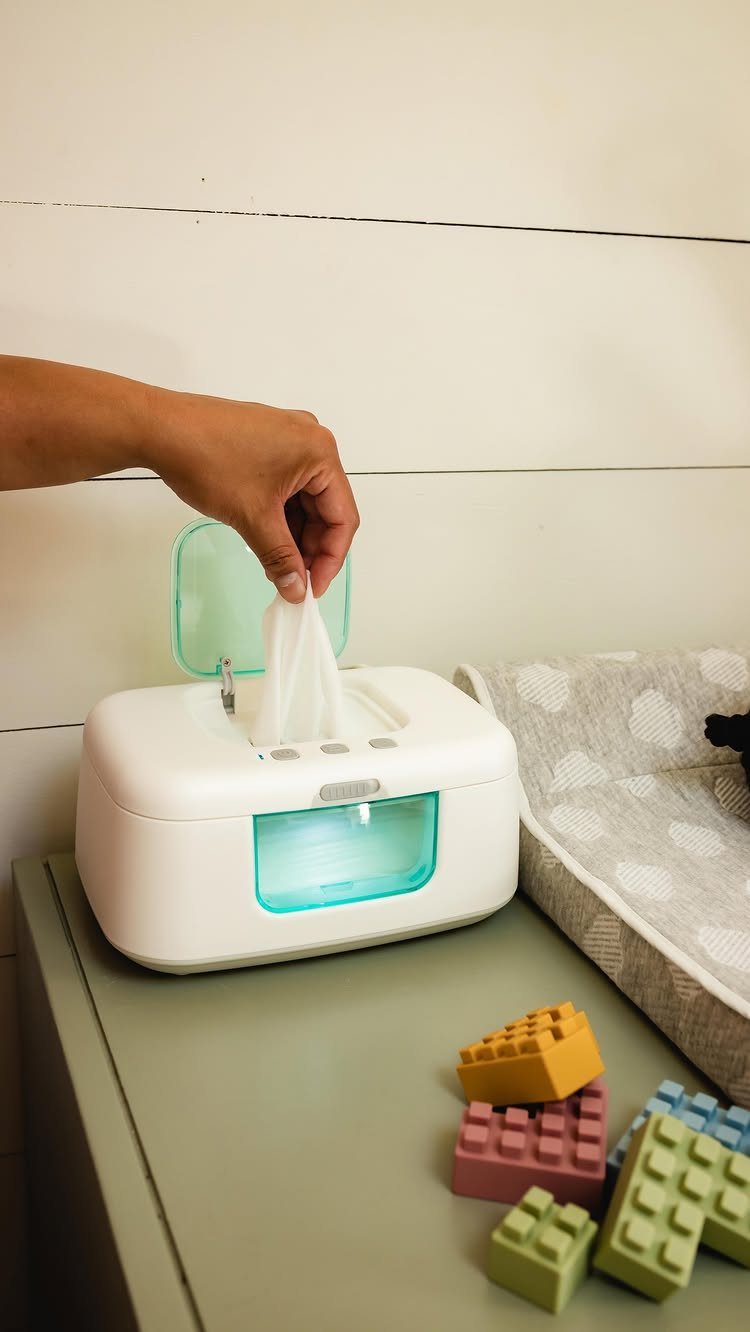
A wipe warmer takes the chill out of a cold wipe, which can make a middle-of-the-night change less of a shock for a sleepy baby.
Treat it as a nice extra, not a necessity. Plug it in near an outlet, keep the cord tidy, and place it within one-handed reach.
11. Rug
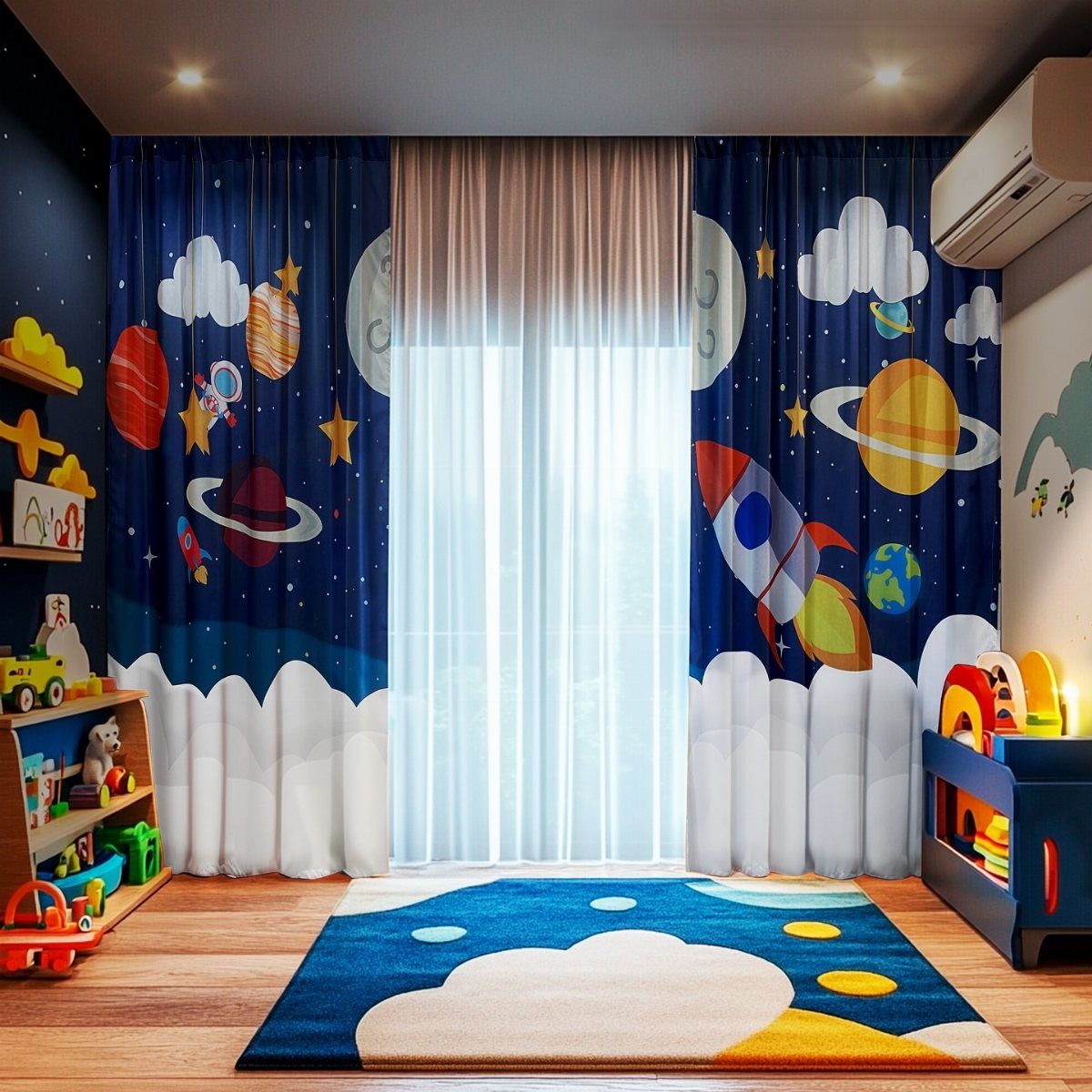
A rug softens a hard floor and ties the room’s colors together, as this cloud design does with the matching curtains. Put it under the glider, where your feet land during long feeds.
Pick a low pile that wipes or vacuums clean, and add a non-slip pad underneath so the edges stay flat. Choose a shade that works with your wall color, so it still fits when the room changes.
12. Baby Clothes Storage Unit

A small wardrobe, a drawer unit and a clothing rack give baby clothes their own home, so the changing table stays clear. A mint and white set like this one also adds color without crowding the window wall.
Sort by size, with the current size at eye level and the next size up on the top shelf or lower drawer. Hang the cute outfits on the rack and fold the daily basics into the drawers.
13. Baby Mobile
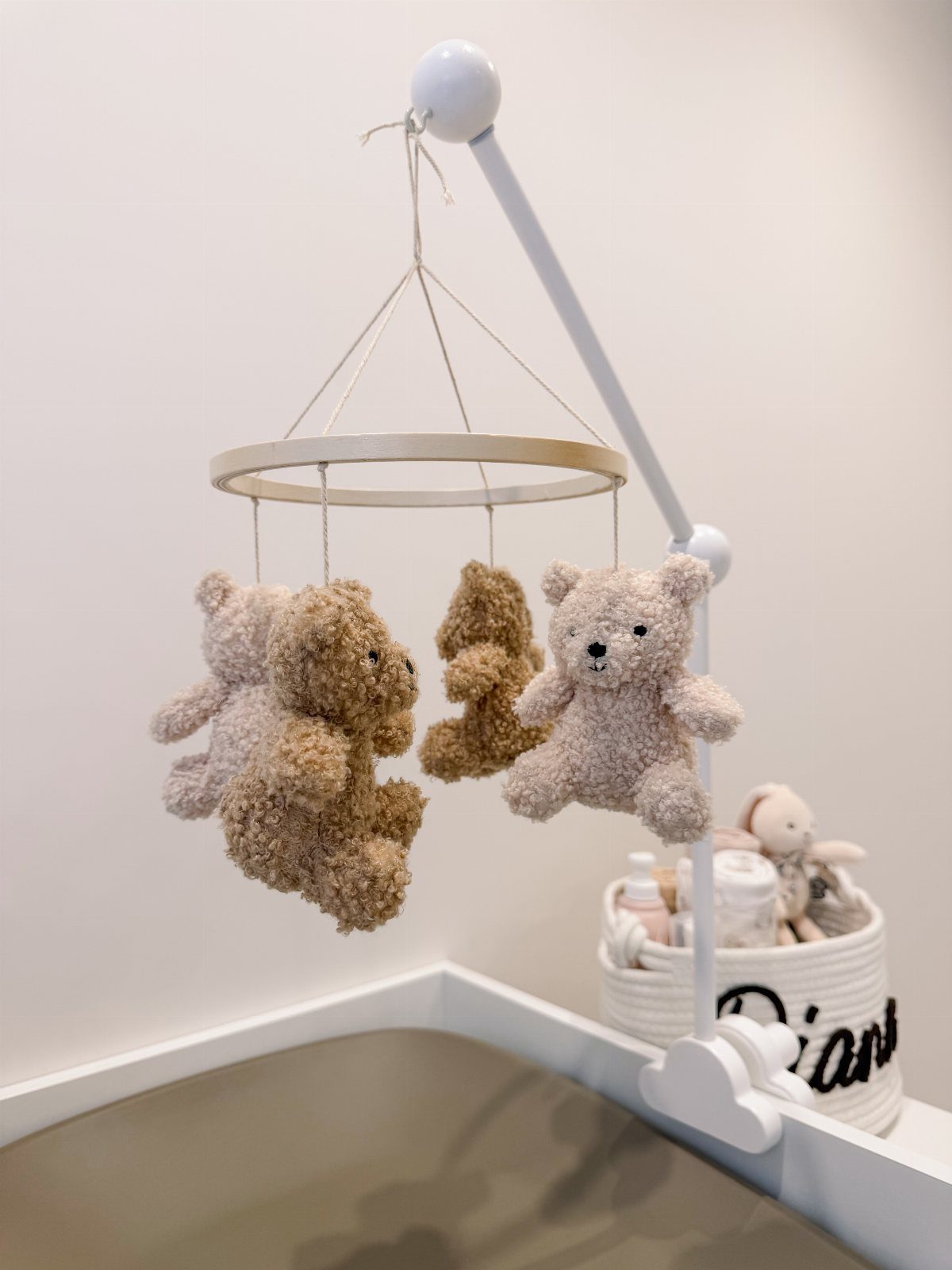
A plush mobile on a white arm gives a baby something soft to watch from the crib mattress.
Clamp the arm firmly to the rail and hang it high enough that a baby can’t reach the bears. Check the clamp again every few weeks.
I’d pick a neutral palette so it matches the bedding and the baskets nearby.
14. Night Light
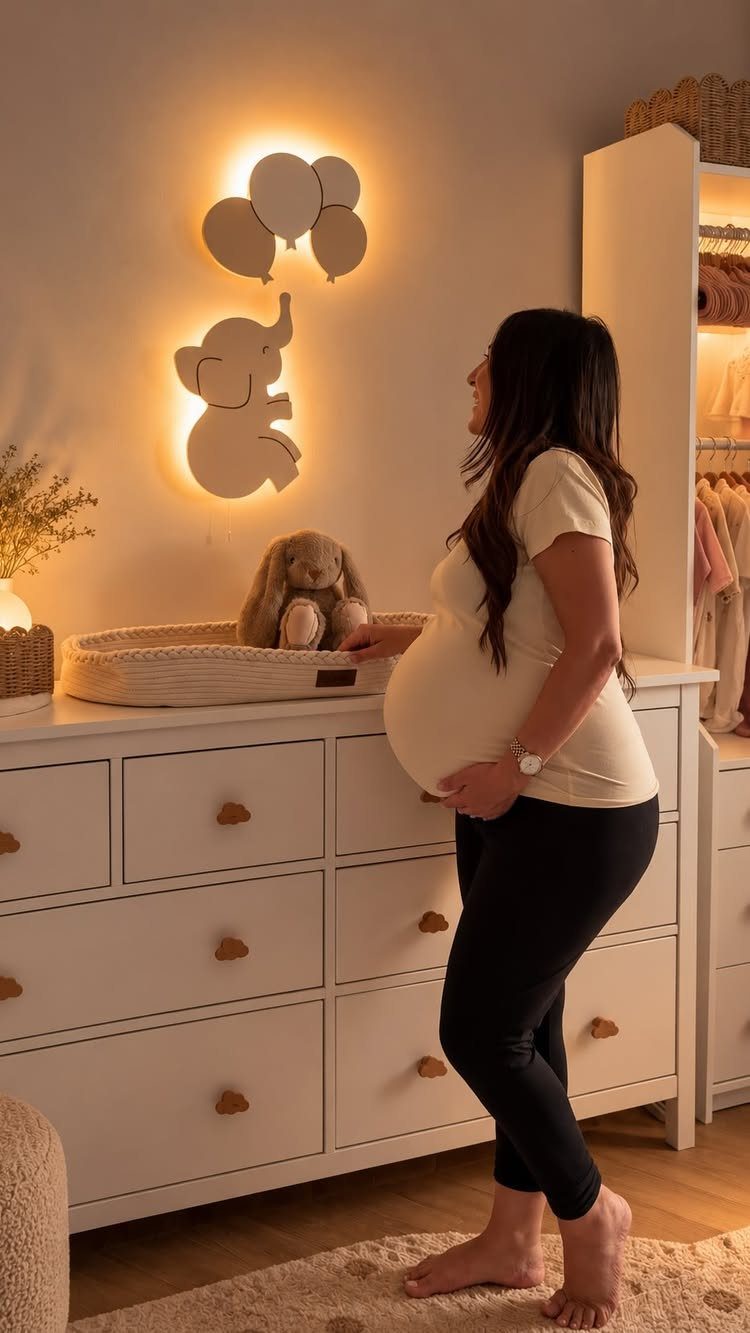
A night light lets you check on the baby and find the diaper supplies in the middle of the night without switching on the overhead bulb.
Place it low enough to light your path to the dresser and chair, not so bright it shines in the crib. I’d choose a warm, dim glow over a white one, since it keeps a sleepy baby settled.
Switch it on in a fully dark room a few weeks before the due date, so you know how much light it really throws.
Safety Considerations
Start with the mattress. A firm, flat mattress that fits the crib frame snugly is the foundation of a safe sleep space, because a non-standard size leaves gaps where a baby can get trapped.
Press a hand around the edges; if you can fit more than a couple of fingers between mattress and frame, return it.
Skip pillows, plush toys, blankets and flat sheets inside the crib. Loose bedding, bumpers and plush toys can end up over a baby’s nose and mouth, or wind around a limb or the neck.
A fitted sheet, plus a swaddle or sleep sack for warmth, is all the crib needs. The AAP’s safe sleep guidance is simple: a baby sleeps alone, on their back, in a crib with nothing soft in it.
A hand-me-down crib saves money, but check it first for missing screws, cracked slats or bent hardware, because any of those can make the frame unsafe. Check every bolt and slat before you use one.
Anchor tall pieces like dressers and wardrobes to the wall so they can’t tip.
Organizing Tips
Give every item one assigned home. Swaddles and clothes belong in the dresser.
Dedicate one drawer to pants and another to socks, then hang onesies and sweaters in the closet by the size your baby wears now, with the next size behind them.
Small hangers make a closet of tiny clothes much easier to scan.
Use the dead space too. Put daily items on wall shelves within easy reach, slide a bin under the crib, and hang a hamper on the back of the door so laundry stays out of view.
Setting Up the Nursery
A safe, working newborn nursery setup needs only the essentials of a crib, a changing station, and a comfortable feeding chair, and a weekend is enough to finish it.
Buy more than one fitted sheet so a midnight accident doesn’t leave the crib bare.
Choose a firm mattress that fits the crib snugly, and think about a convertible crib that becomes a toddler bed and later a daybed, which spreads the cost over several years.
Leave the decor for later.
Matching furniture means nothing to a newborn, who just needs to be warm, fed and asleep on a flat, fitted sheet. Once you know how your days run, add the extras that fix real annoyances, and let the walls wait.
Frequently Asked Questions
What are things you need for a newborn baby?
For the first weeks, a crib, a changing spot and a comfortable feeding chair are the 3 pieces I’d buy before anything else, and they go together in a single weekend.
Stock 2–3 extra fitted sheets for 3 a.m. accidents, and pick a firm mattress that sits tight against the frame with no gap at the sides.
Extras like a sound machine, night light and monitor can follow once you see how your days run.
When is the best time to set up a nursery?
Most parents I hear from start in the second trimester or the early part of the third. By then you’ve had time to plan, make a registry and possibly receive shower gifts.
A few weeks of lead time before the due date also gives you a chance to see how the night light behaves in a pitch-dark room.





