Which of these ideas you can actually make depends on what your school lets you plug in, so the housing policy decides before taste does.
The list runs from no-cook jars of overnight oats that only need a mini fridge to microwave meals like a baked potato, plus no-bake energy bites and yogurt parfaits for snacks.
1. Mac and Cheese in a Mug
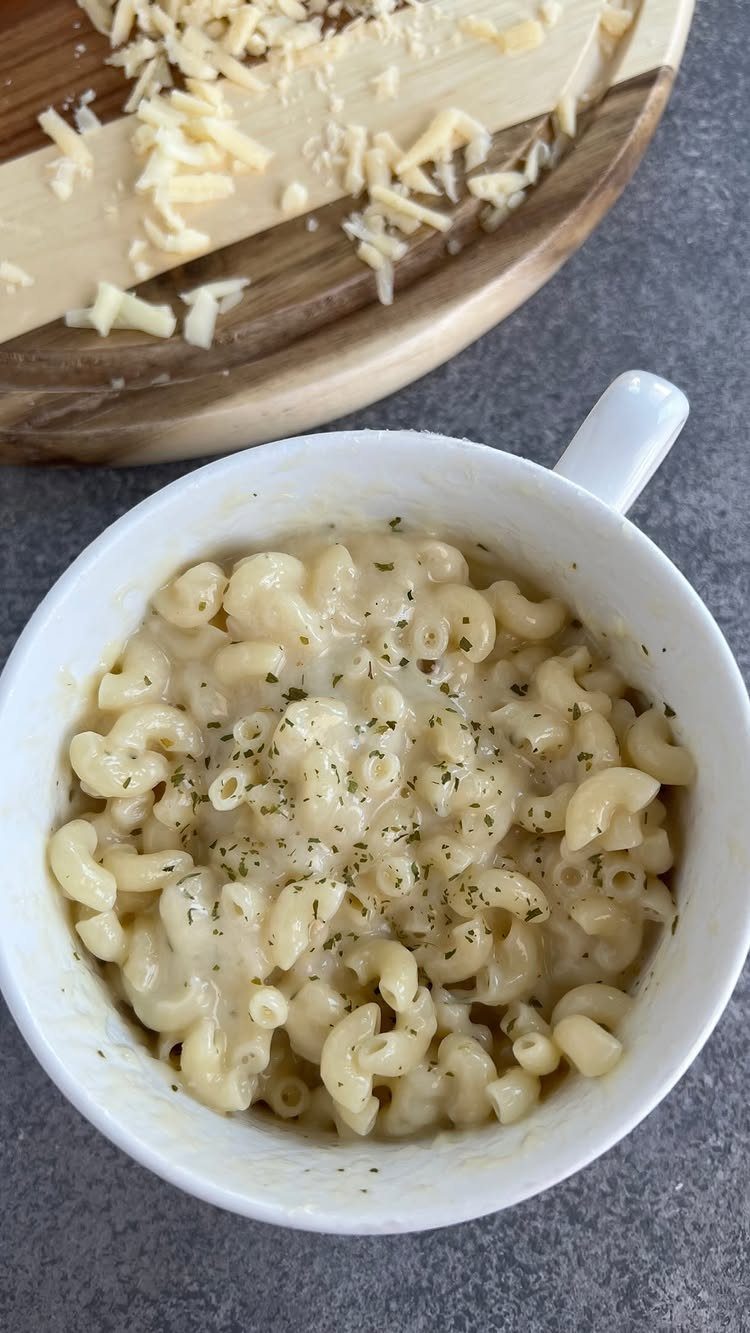
A mug, a microwave and about 5 minutes get you a single serving of mac and cheese, which suits a dorm where the only appliance may be shared.
The maker of this version uses 1/2 cup shredded mozzarella, plus 2-3 tablespoons of parmesan. Buy the parmesan shredded or grated fresh; the jarred kind can turn gloppy.
A pinch of garlic powder, 1/8-1/4 teaspoon, adds more flavor than you’d expect. I’d start at the low end and taste before adding more.
Use a mug that’s bigger than you think you need, since pasta and cheese bubble up as they heat.
2. Overnight Oats
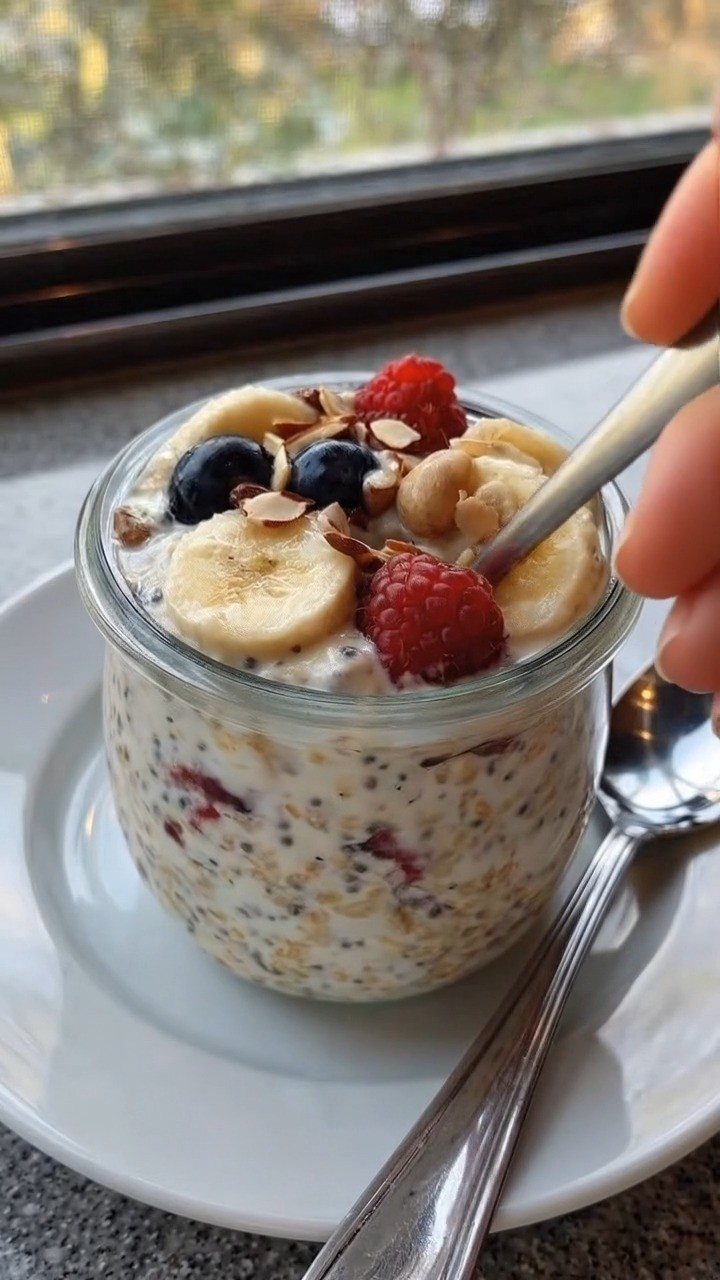
Nothing about overnight oats needs a stove, which makes them the easiest breakfast for a room with only a mini fridge.
Mix oats and milk in a jar, cover it, and refrigerate at least 4 hours, preferably overnight. Morning work is zero, so you can grab the jar on the way to an early class.
I like fruit and almonds added right before eating, so the bananas don’t go soft and the nuts stay crunchy.
Make 2 or 3 jars on Sunday night if fridge space allows.
3. Veggie Ramen

Ramen gets a real upgrade when you treat the packet as only the base. Tofu, mushrooms and green onions turn a 50-cent snack into a bowl that actually fills you up.
Cook the noodles in your microwave-safe bowl, then add the vegetables and tofu at the end so they only need warming. An egg on top adds protein.
I’d use just part of the seasoning packet. It’s usually salty enough that the toppings get lost.
4. Veggie Chips
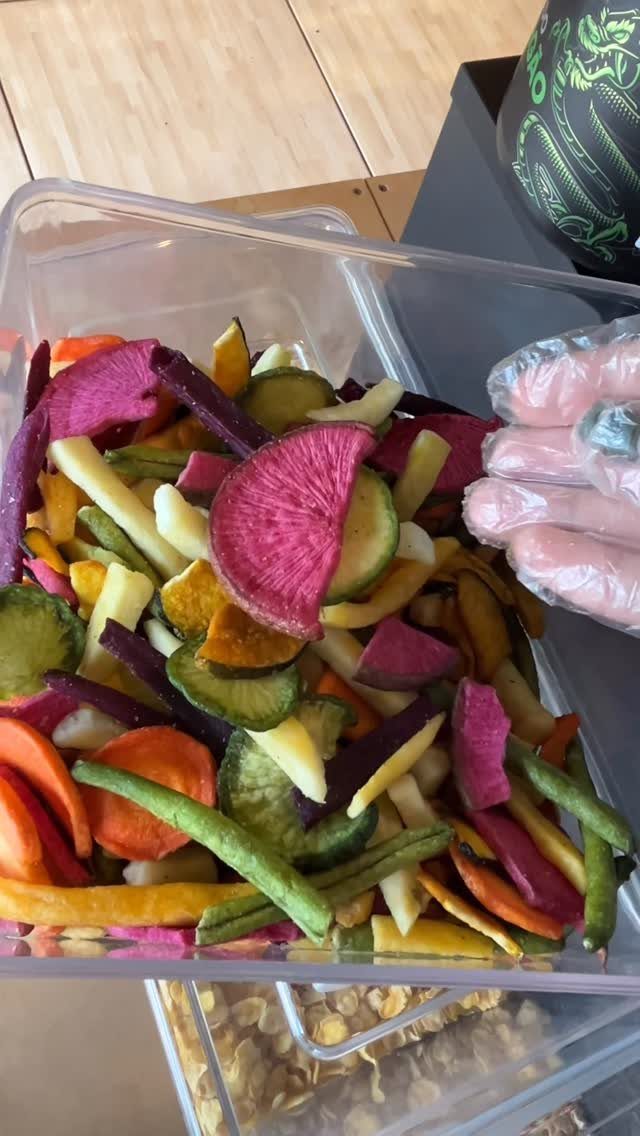
Store them sealed so they stay crisp. Making them yourself takes an oven and time, so a dorm student may do better buying a bag.
I’d keep them as a snack, not a meal. They pair well with hummus if you want something more filling.
5. Rice Cakes
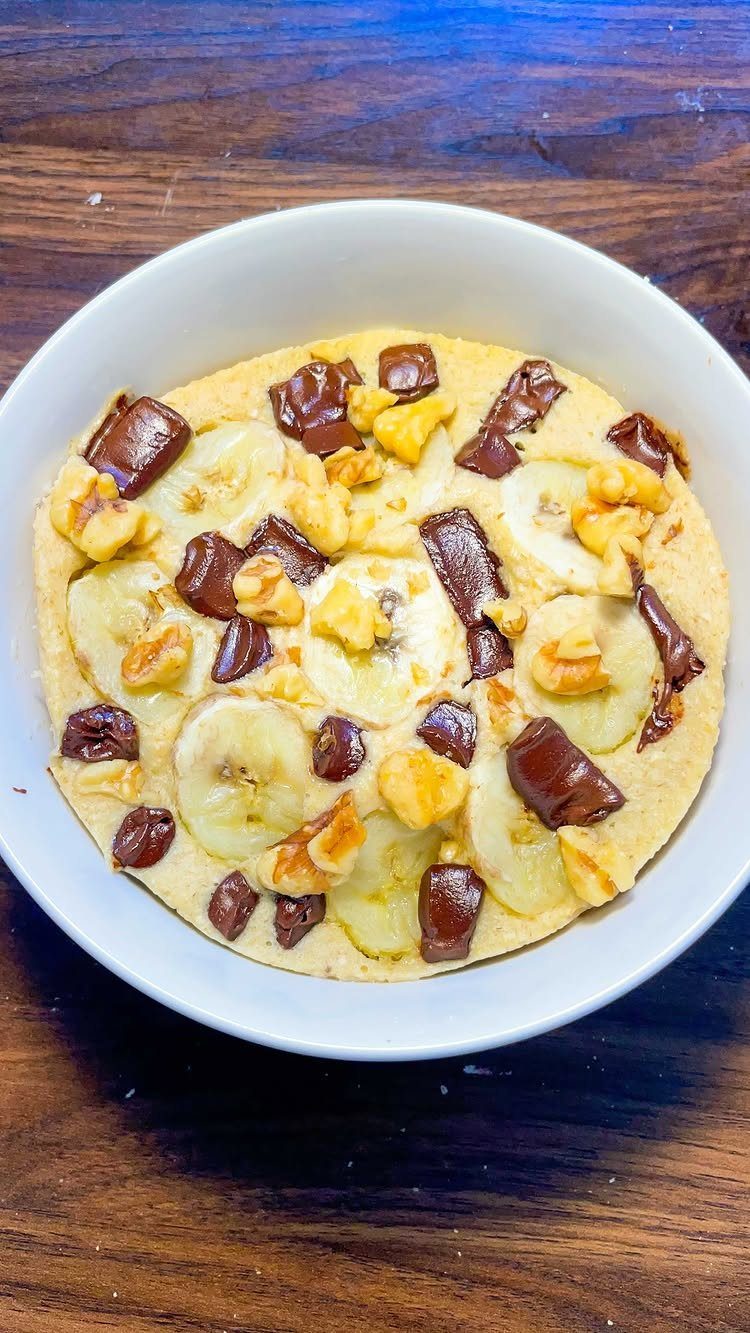
A rice cake can be a microwave dessert, not just a dry snack. This one is topped with sliced banana, walnuts and chocolate chips.
Making rice cakes in a single microwave-safe bowl means you only have one dish to wash.
Keep the toppings simple. Banana and chocolate already do the work, and walnuts add crunch.
For a savory version, skip the chocolate and try other toppings on a plain rice cake instead.
6. Baked Potato
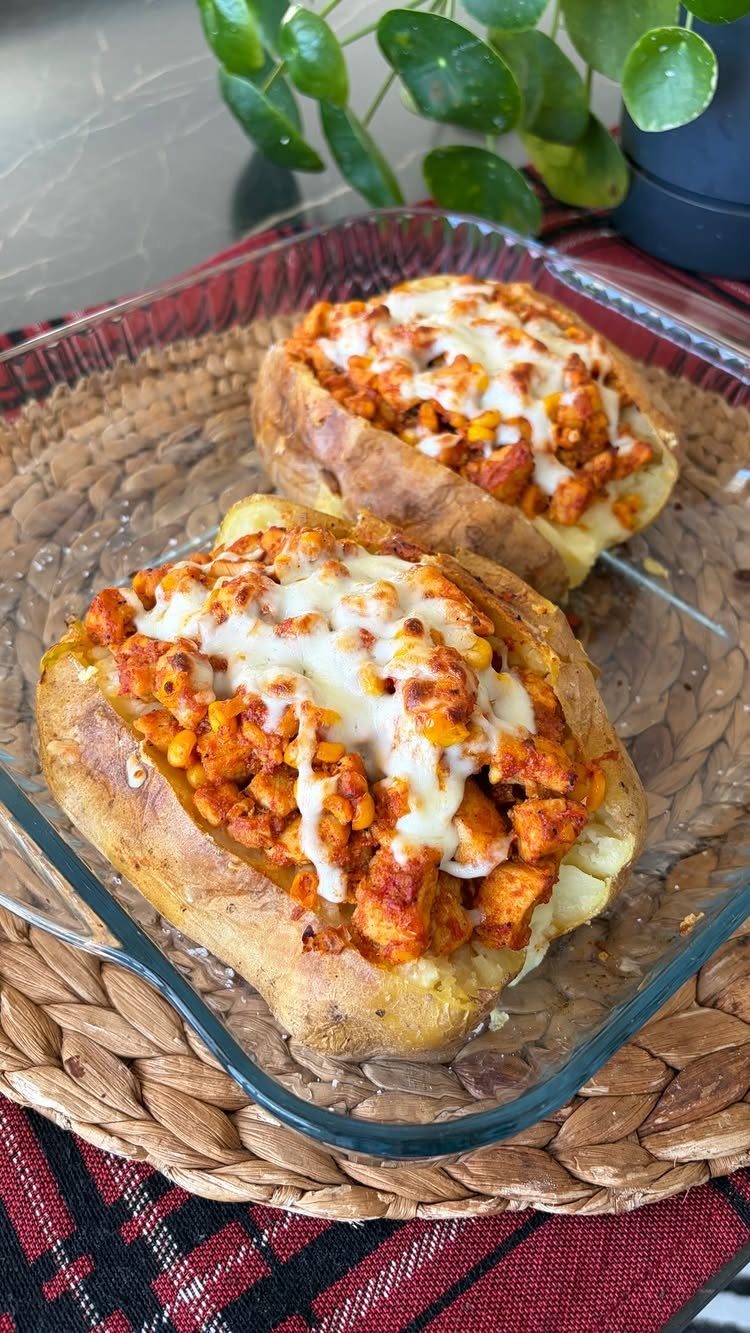
A baked potato is a filling meal you can stuff with almost anything, including seasoned meat, corn and melted cheese, as in this dish.
The microwave is the dorm route: pierce the skin with a fork first so steam can escape. Then split it and pile on the toppings.
I like leftover taco meat or canned corn here because both are cheap and keep well. Cheese goes on while the potato is hot, so it melts without any extra step.
7. No-Bake Energy Bites
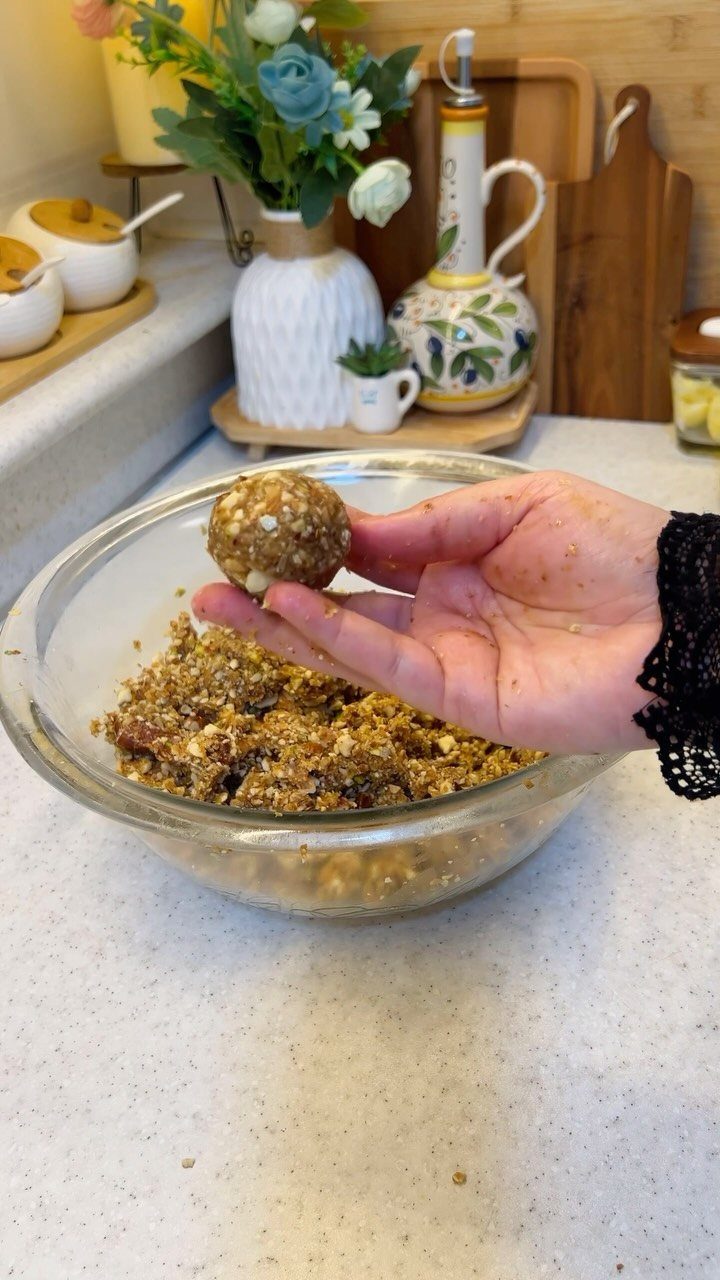
A no-bake energy bite is a rolled ball of oat mixture, so it needs a bowl, a spoon and clean hands, with no oven or stove involved.
That suits a dorm, since you can mix a batch in one bowl and wash only that. Roll the bites small enough to eat in 1 or 2 bites; they’re easier to grab between classes that way.
Keep them in a covered container in the mini fridge.
8. Yogurt Parfait
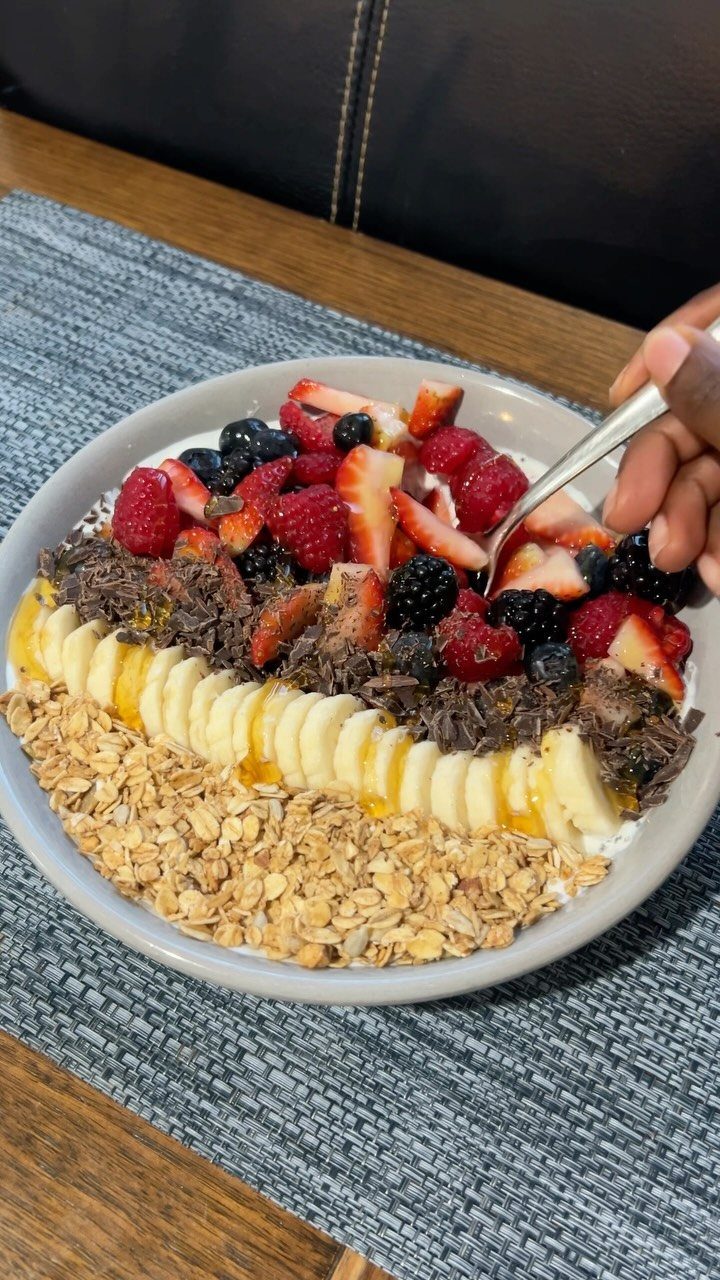
Yogurt, granola and fruit layered in a bowl make a parfait, and it works as breakfast or a snack that holds you over until the next class.
I’d choose the toppings with a mini fridge in mind: bananas and berries are easy to keep on hand. Chocolate shavings are optional, a small treat on top.
Add the granola right before you eat, so it stays crunchy instead of going soft in the yogurt.
If you’re packing it to go, put the yogurt in a jar first and the toppings in a separate bag.
9. Canned Tuna or Salmon Salad
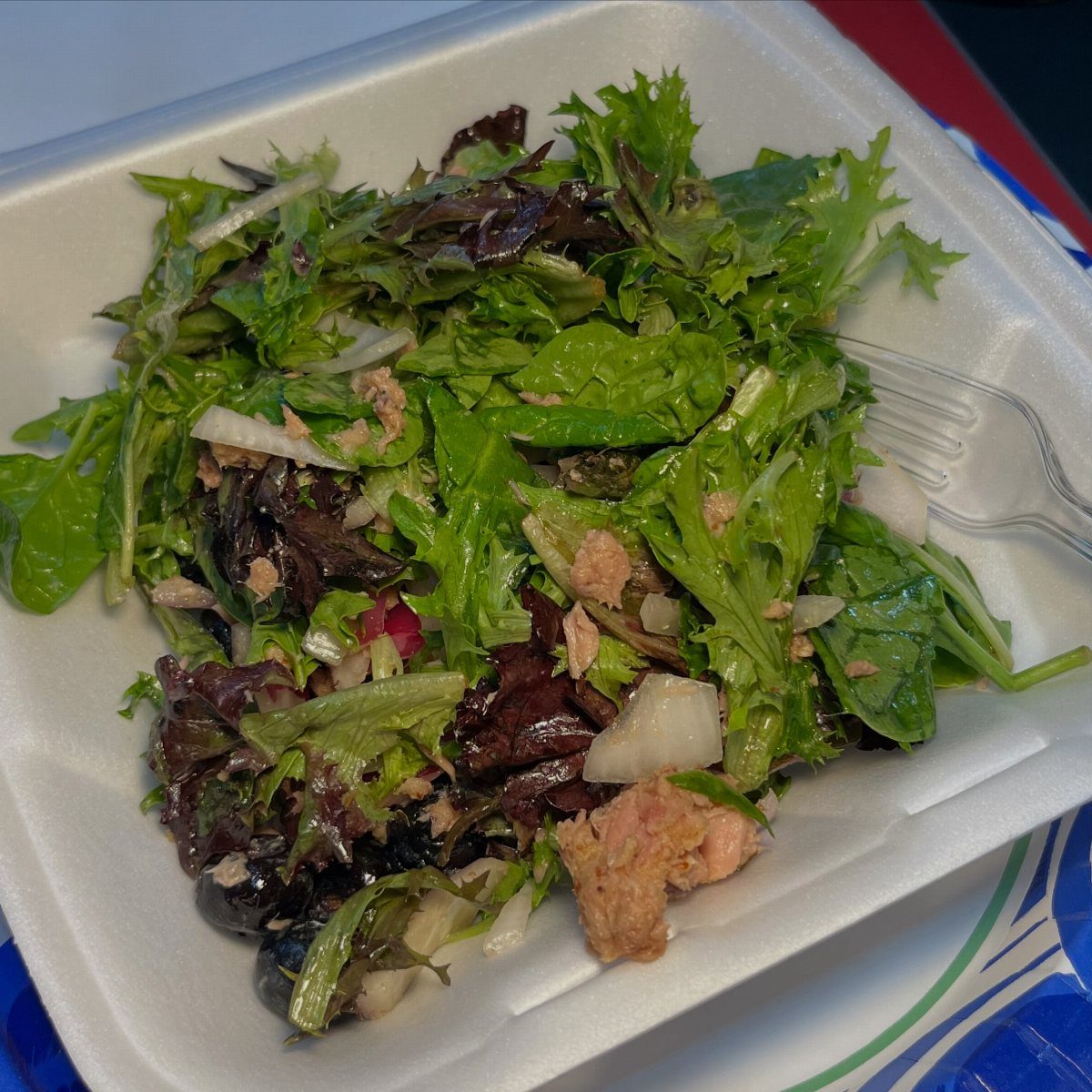
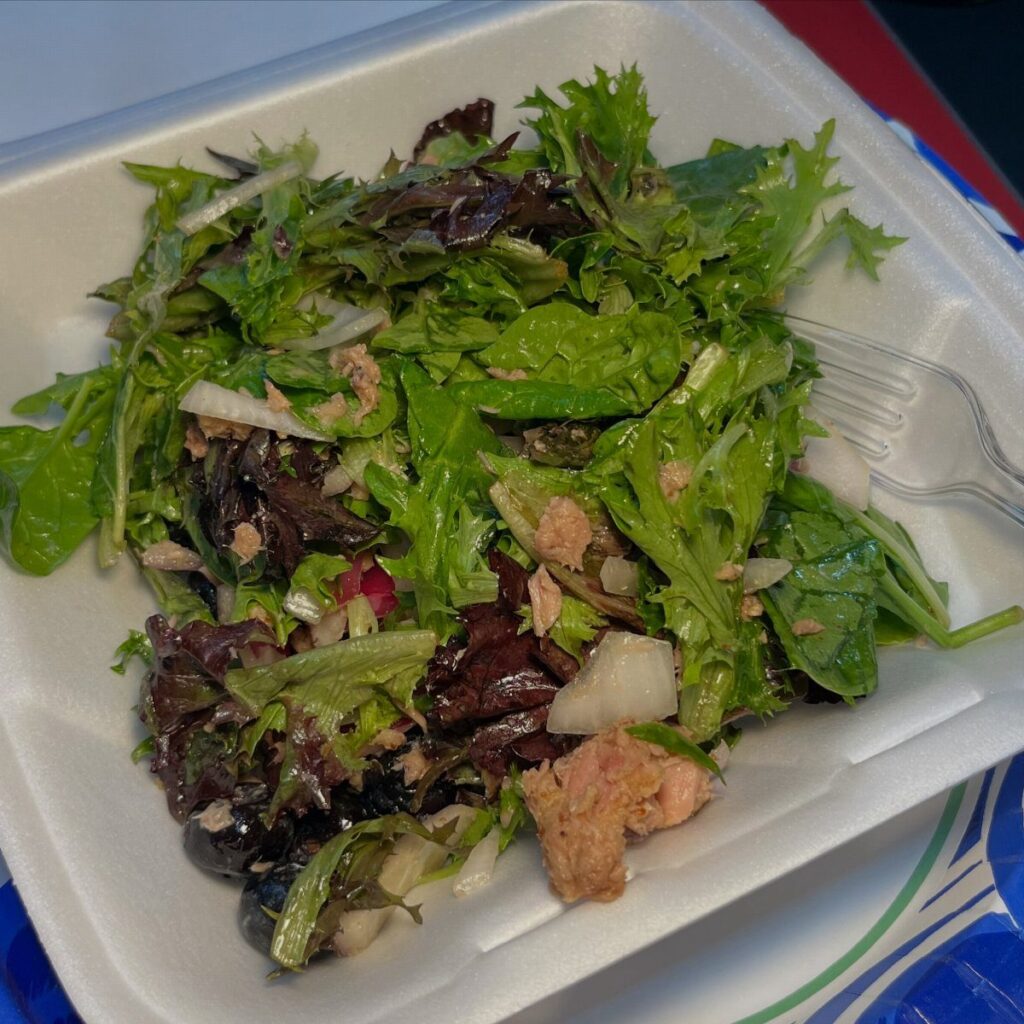
Canned tuna or salmon over mixed greens gives you a protein-heavy meal with almost no cooking, only a can opener and a fork.
Drain the can well, then flake the fish over the greens and add thin slices of onion. A little onion goes a long way, so I’d start with less than you think.
A foam container like this one is handy for taking lunch to the library. Keep the greens in the fridge and open the can only when you’re ready to eat.
10. Pinwheel Sandwiches
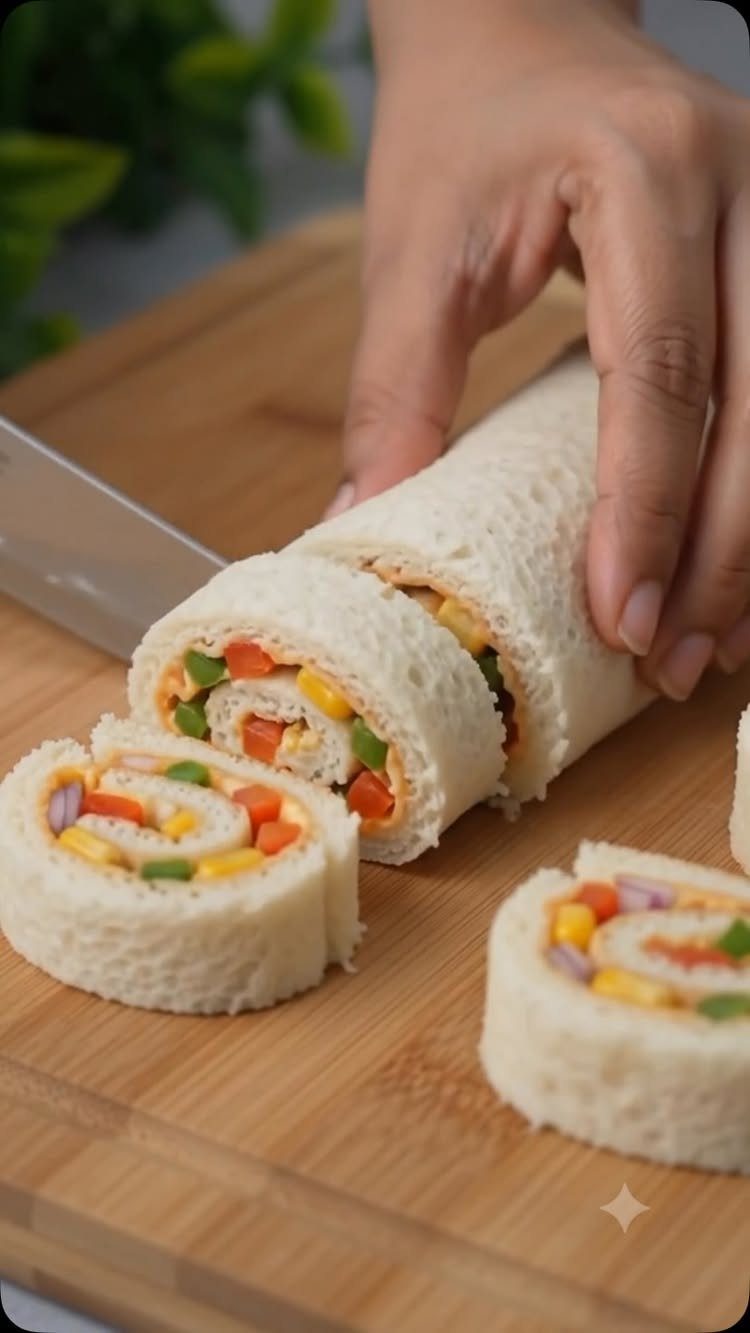
Pinwheels are a flat sandwich rolled tight, then sliced into rounds, which makes lunch feel like finger food.
Start with soft white bread or a wrap and spread the filling edge to edge, leaving a small border so it doesn’t squeeze out.
Roll firmly, then cut with a sharp knife on a cutting board, using a gentle sawing motion so the rolls keep their shape.
Colorful vegetables are what make the spiral look good, so cut them thin. Thick pieces make the roll hard to close.
Healthy Pantry Stocking Tips
Split the shelf into 2 groups: things that last and things that spoil. Oats, canned goods and nut butters cover the shelf-stable side, and fresh produce fills in the rest so meals stay balanced.
Crunchy apples, carrots and snap peas keep well in a mini fridge, and a tub of hummus makes them feel like a proper snack.
Protein is what keeps you full between classes, so keep hard-boiled eggs, Greek yogurt, deli meats or protein bars on hand.
With just a microwave or a kettle of hot water, you can make a mug omelet or a rice bowl built from a grain, a protein and a vegetable.
Aim for all three in one bowl and you have a complete meal.
Microwave Cooking Tips
Use only containers marked microwave-safe, and pick one larger than the food so nothing spills over. Skip metal, and check that any plastic carries the microwave-safe label.
Before cooking anything new, read the safety and usage guidance for your particular microwave. Wattage varies, so start with shorter times and add more as needed.
Mug meals are the quickest option, and an omelet or breakfast scramble in a cup takes only a few minutes and bends to whatever you have on hand.
Stuffed peppers and a warm dip also work in the microwave, and they suit a study break with roommates.
Let hot food stand a minute before eating, and use oven mitts or a towel to lift the container.
Appliance Restrictions
Read your school’s housing policy first, since the rules on appliances differ from campus to campus. Approved lists differ from campus to campus.
Microwaves and mini-fridges are generally allowed, though some schools limit size or wattage. A quick call or email to the housing department will tell you what is allowed, and it should come first, ahead of any purchase.
Air fryers and electric kettles are the gray area. Some schools allow them only in common cooking areas, so confirm with your RA or housing office first.
If you end up with just one appliance, a toaster oven or a microwave can carry a lot of meals.
A handful of fresh herbs or a scoop of fresh salsa gives a plain dish a bright finish with almost no added effort.
Frequently Asked Questions
What should every dorm room have?
Most dorms allow a microwave and mini fridge, but check the power limits before you buy.
Check your housing policy or email the housing office before buying anything. Add a microwave-safe bowl and mug, a fork, a sharp knife, a cutting board and a can opener, and you can handle most easy meals.
How to cook food in a dorm room?
The microwave does most of the work: mug mac and cheese, a baked potato, mug omelets and upgraded ramen all run on it.
Always use microwave-safe containers, leave room for steam, and test in 30-second bursts until you know your wattage. An electric kettle opens up more than hot water, though housing rules sometimes restrict small appliances to shared kitchens.
What are some quick and easy foods I can cook for college students?
Mug mac and cheese takes about 5 minutes in a microwave, and a baked potato topped with taco meat, corn and cheese makes a filling dinner.
For no cooking at all, overnight oats need only a jar and a fridge, and a yogurt parfait or canned tuna over greens takes minutes. Each one needs very little equipment and leaves one dish to wash.
What to stock a dorm fridge with?
Fill it with foods that keep well and need no cooking: apples, carrots, snap peas, Greek yogurt, hummus, hard-boiled eggs and deli meats.
Cheese is another good fit for sandwiches and toppings. Protein is what holds you through the gaps between classes, so make sure each shelf has some.





