Whether a luxury bedroom is yours to build depends mostly on whether you own the walls.
A platform bed or gold light fixtures take a weekend, while a coffered ceiling means framing and drywall, and cove lighting with a dimmer panel calls for an electrician.
Renters can work with what they have using a velvet throw, a statement art piece or smart bulbs on a dimmer, so check what you’re allowed to change before picking a favorite.
1. Beds with Storage
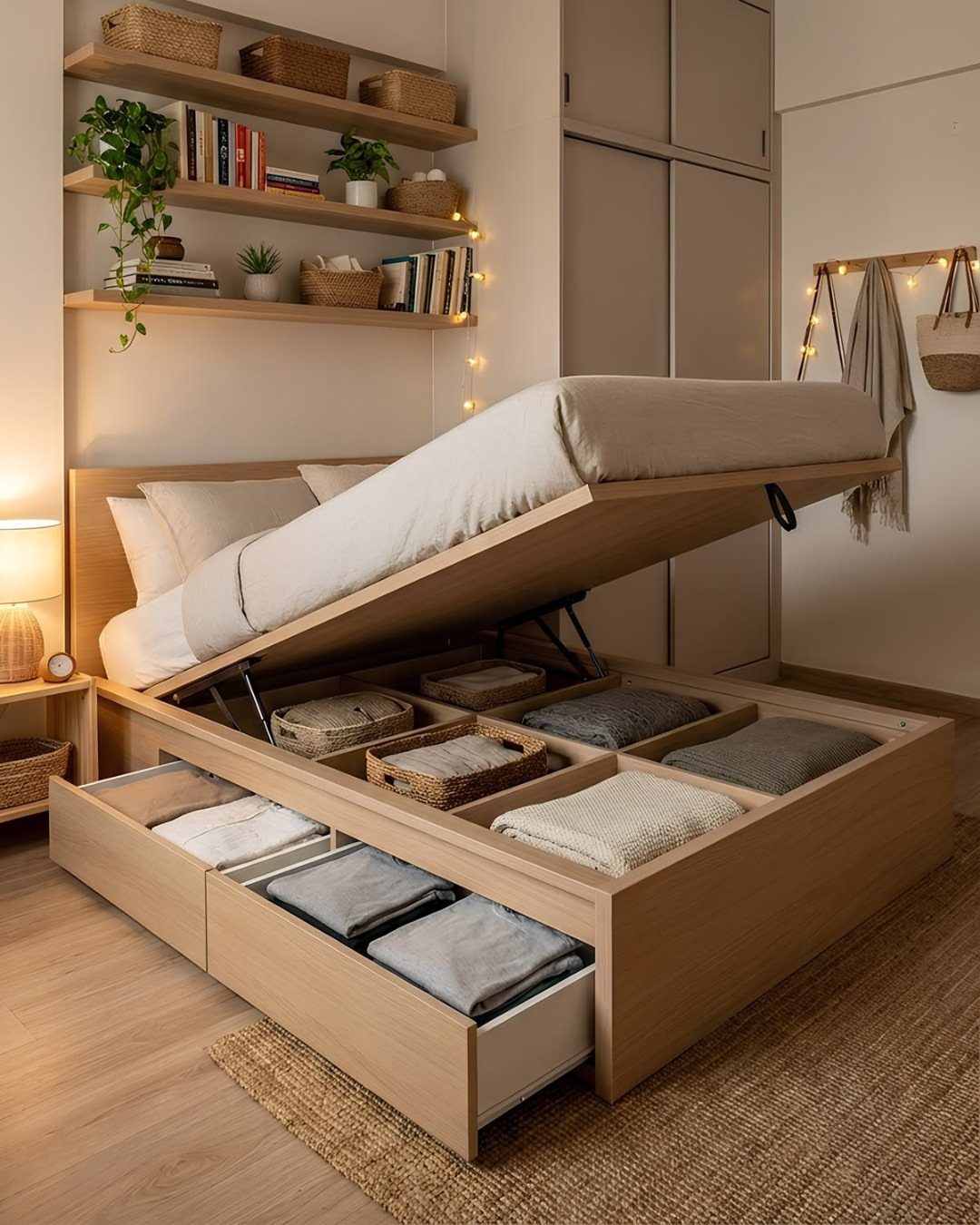
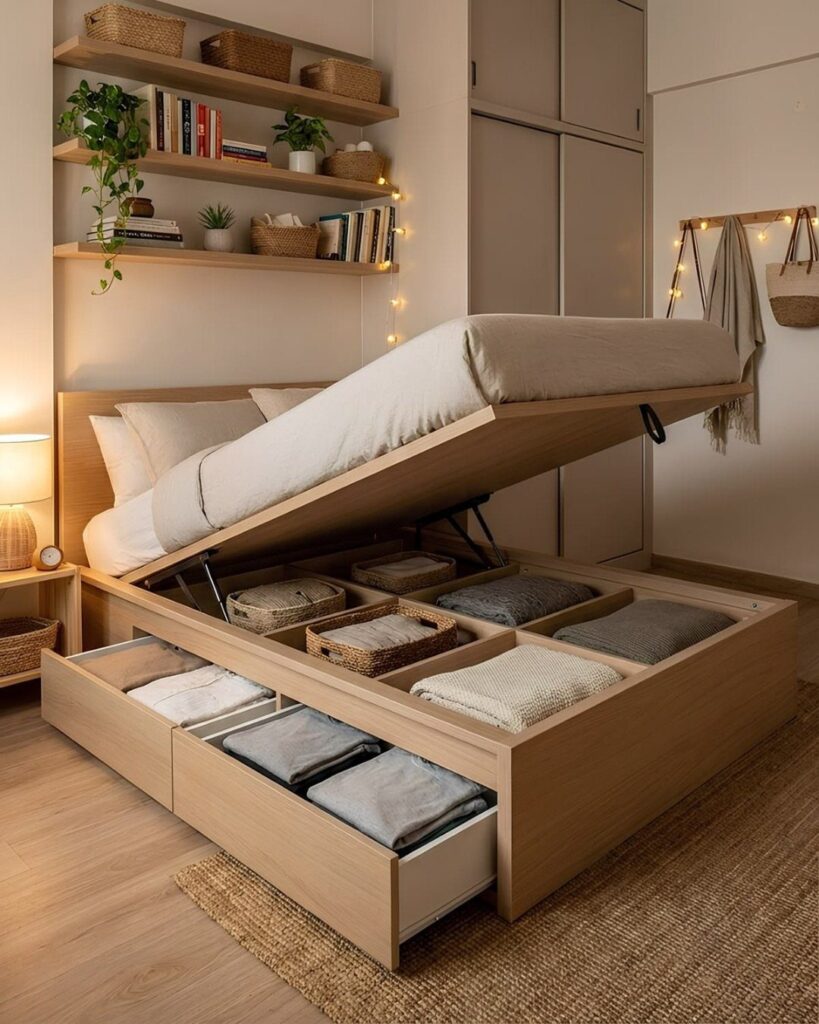
A lift-up mattress base turns the empty space under the bed into a closed cupboard, and that suits a compact bedroom better than another dresser.
Light wood keeps the frame from looking bulky, and the open drawers give quick access to things you reach for often.
Put off-season bedding and spare linens in the lift-up section, and keep daily items in the drawers. Check that the drawers clear the rug before you buy, since a thick pile will catch them.
Baskets on floating shelves near the headboard handle the overflow without eating floor space.
2. Vintage Furniture
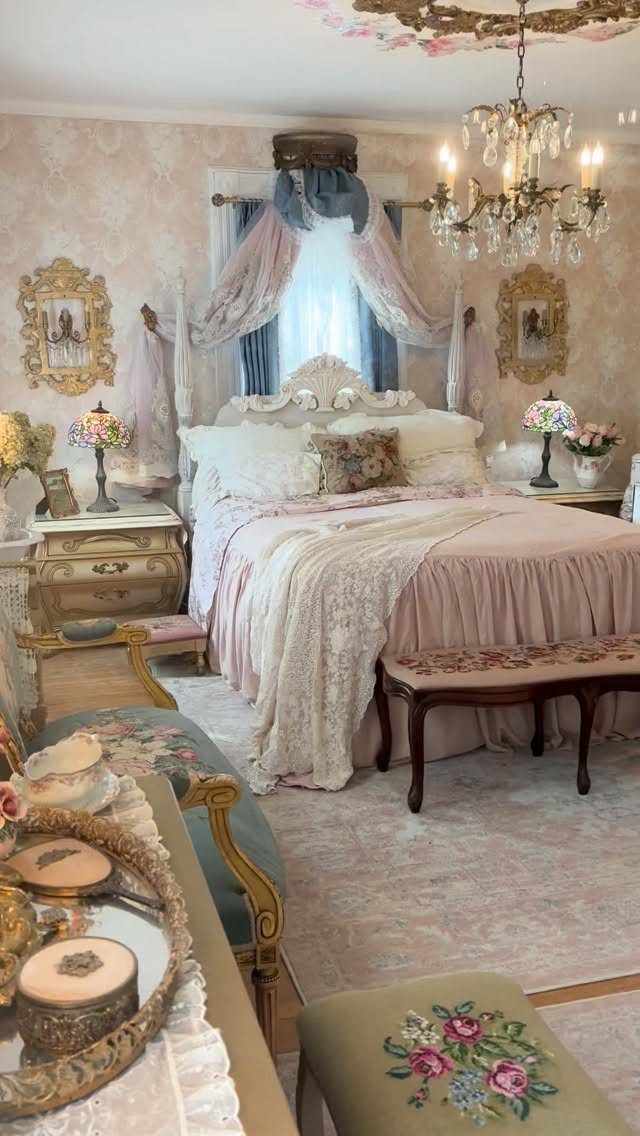
Vintage pieces give a bedroom the layered, collected look that a showroom set can’t copy. Floral upholstery, ornate gold mirrors and lace bedding work together because they share a soft, romantic mood.
Pick one or two big statements and let the rest stay quiet. A crystal chandelier already carries a lot of weight, so I would keep the walls and floor simple around it.
Secondhand shops and estate sales are the cheapest sources for mirrors and upholstered chairs. Expect to pay for reupholstery if the fabric is tired.
At a modernist Malibu home, designed by architect Craig Ellwood in the ’50s and recently reimagined by Mallery Roberts Morgan, the primary bedroom was intentionally sparsely furnished. A vintage Richard Etts lamp on the side table serves as something of a focal point.
3. Velvet Finishes
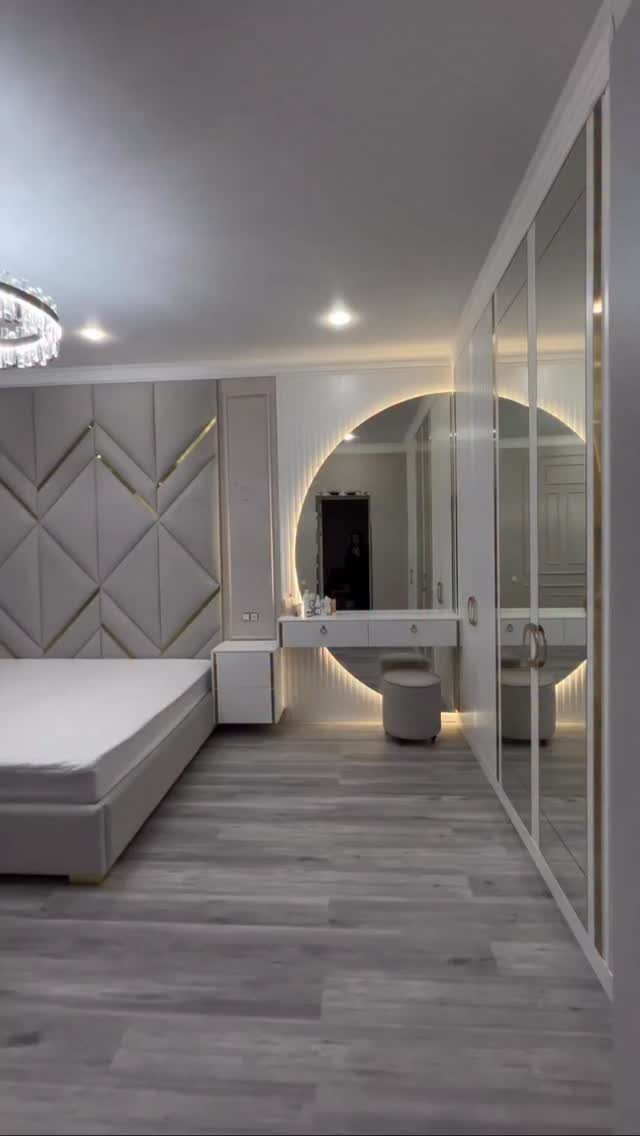
A padded headboard in grey velvet with a geometric pattern gives a plain white bed real depth, and it runs cheaper than replacing the whole frame. Velvet catches light differently from every angle, so the pattern shifts through the day.
Keep velvet to one large surface, like the headboard, and leave the other finishes smooth. Mirrored wardrobe doors and a backlit round mirror already add shine, so more velvet would crowd the room.
Choose a grey that matches the floor tone for a calm, tailored look.
4. Neutral Shades
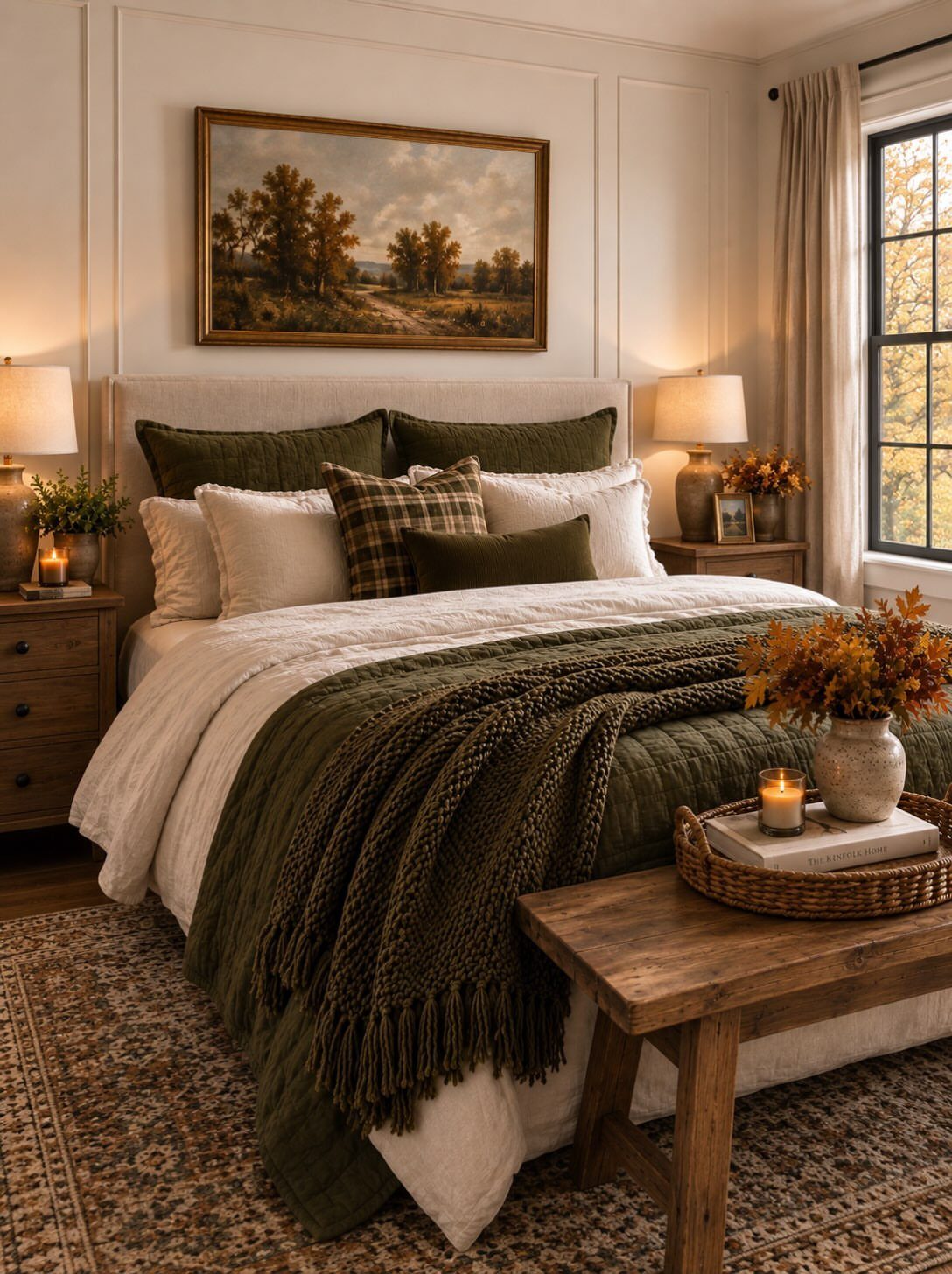
Olive green and white bedding sits inside a neutral scheme because the green reads as an earth tone, not a color accent. That makes it a good choice for warmth without the flatness of all-beige.
A wooden bench at the foot of the bed adds a natural texture and somewhere to drop a book.
Matching bedside lamps keep the whole look calm and balanced.
5. Cove Lighting
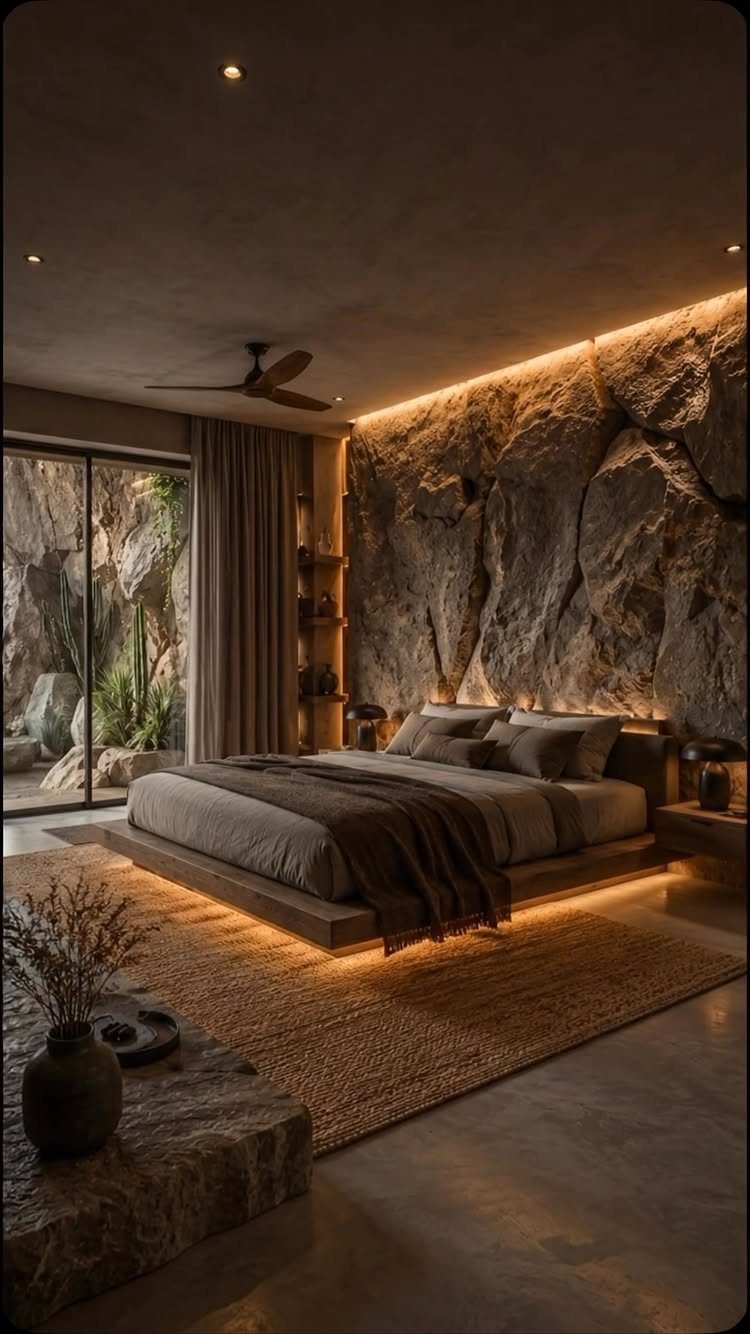
Hidden light is what makes a stone wall look carved instead of just rough. Tucking the cove lighting at the top of the wall washes warm light down the surface and shows every ridge in the rock.
Choose warm white bulbs so the stone looks golden and not gray. A light strip under the bed frame casts a low glow at floor level, which helps for night walks to the bathroom.
According to its maker, the setup pairs the stone with a neutral palette and rich textures. A jute rug fits that approach well.
6. Silk Bedding
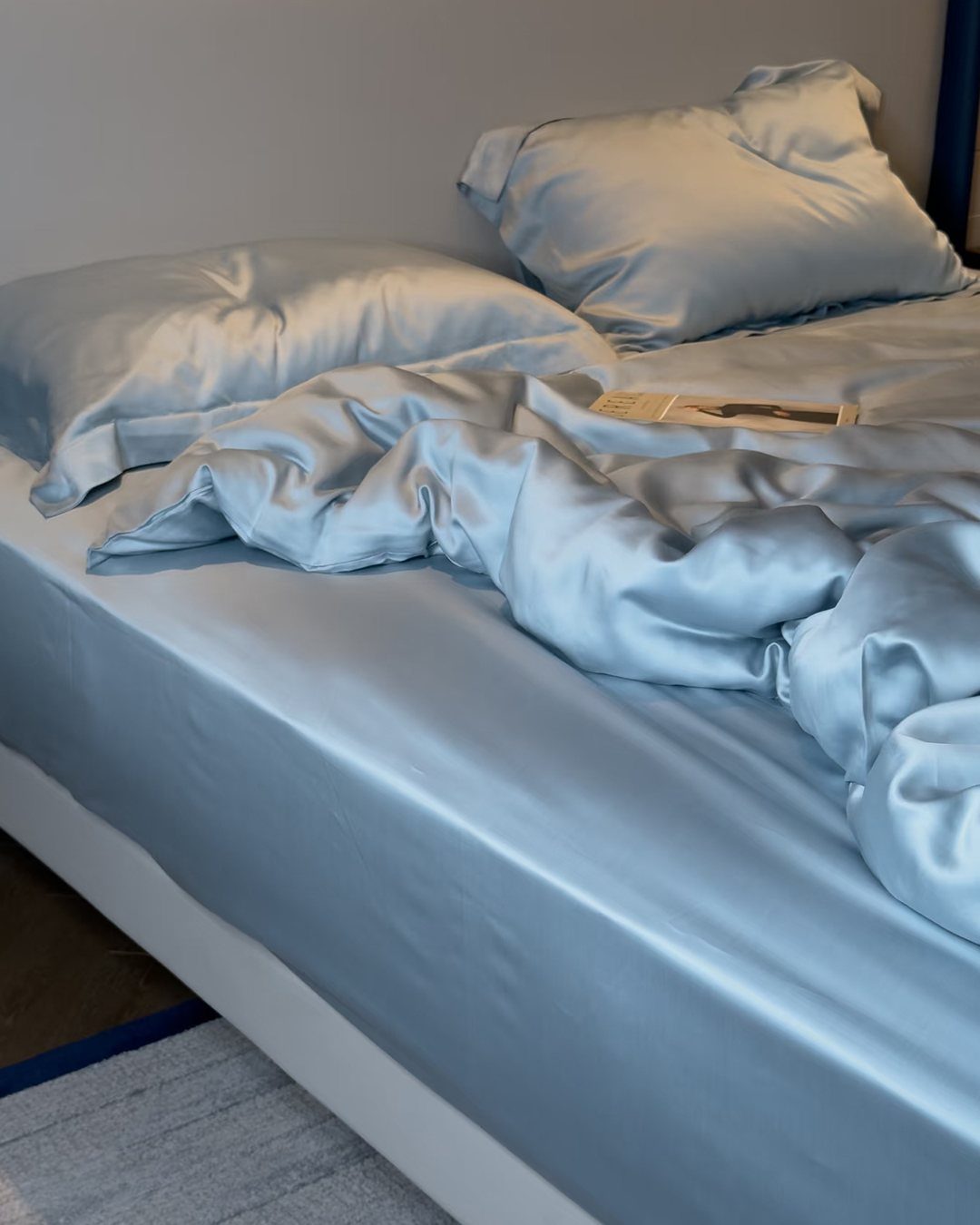
Light blue silk looks cool and calm, and it’s a small upgrade you can make with just sheets and pillowcases. On a white bed, the sheen reads clearly without needing any other pattern.
I would start with pillowcases if the budget is tight, since your face touches them most. Silk is slippery, so a duvet in the same shade can slide off a smooth mattress cover.
Check the care label before buying, because many silk sets need gentle washing, and that is a real cost in time.
7. Gold Light Fixtures
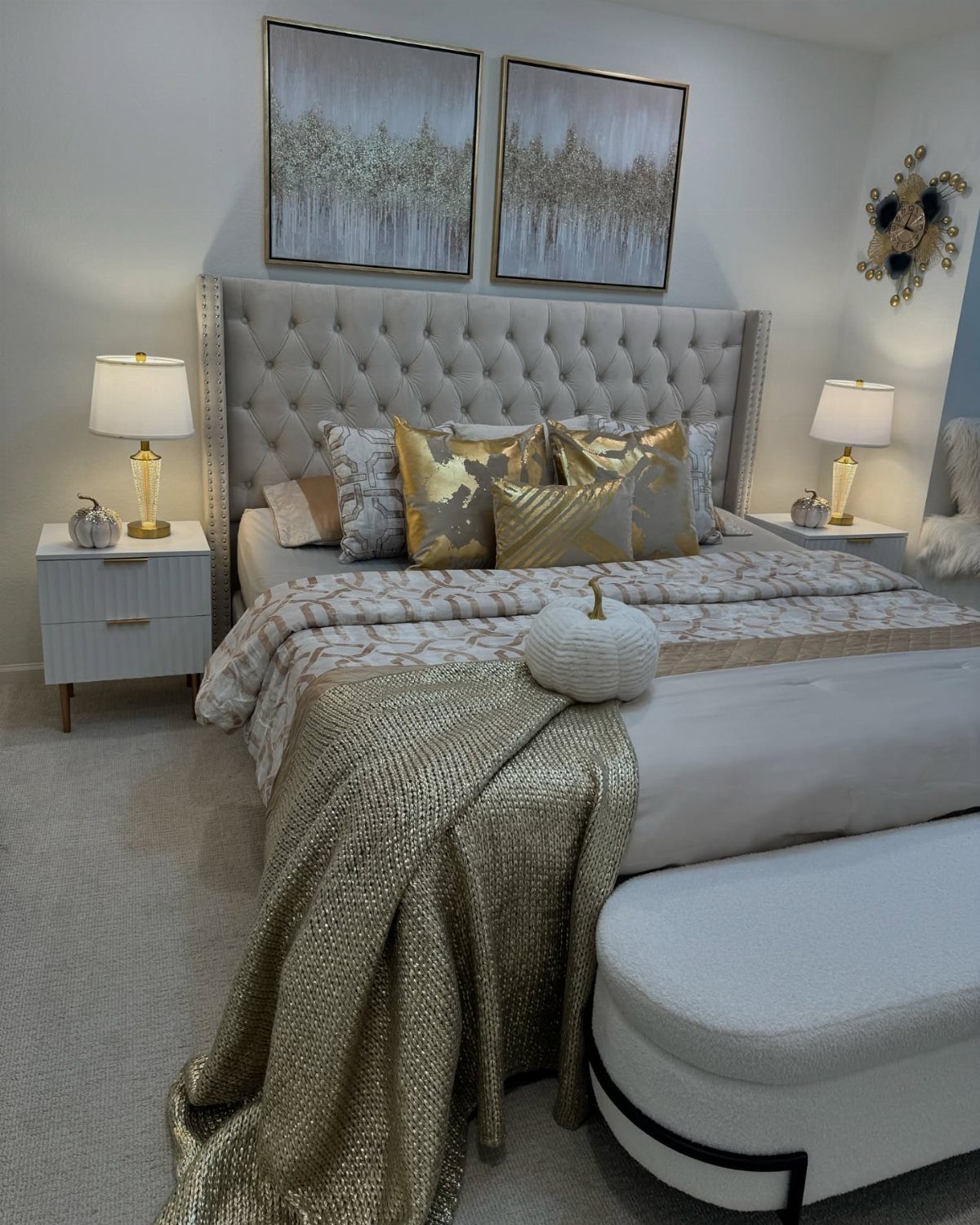
Gold lamps on white nightstands give the metal room to stand out, and I like that the bedding repeats the tone so the lamps don’t look like strangers.
Against a tufted grey headboard, the warm metal reads as luxury without any extra effort.
Stick to one metal family across the lamps and hardware. Mixing brass, chrome and gold in one small room starts to look accidental.
Lamps are the cheapest place to start, since swapping a pair takes minutes.
8. Minimalist Bedroom Layout
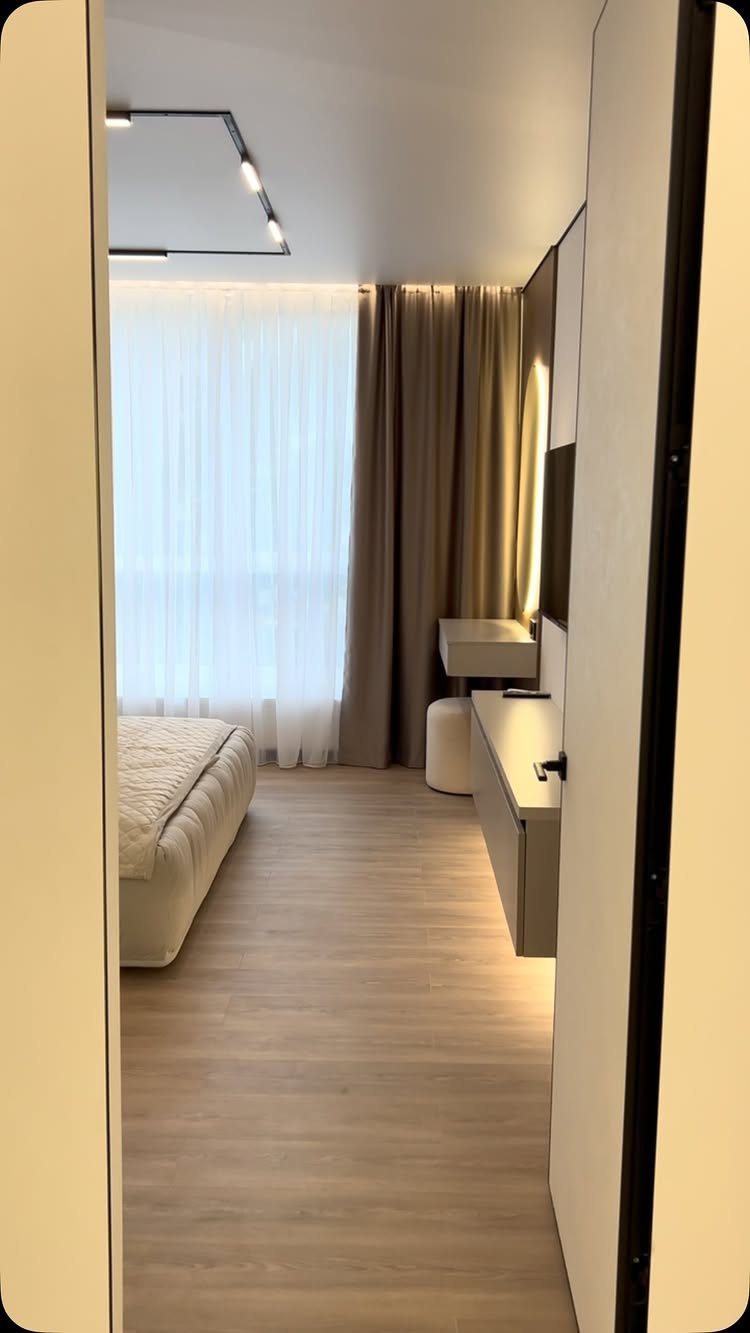
Limit the palette to 3 tones and let texture do the work. Beige curtains hung wide and tall make a window look bigger.
Minimalism fails when clutter has nowhere to go, so pair it with closed storage.
9. Statement Art Pieces
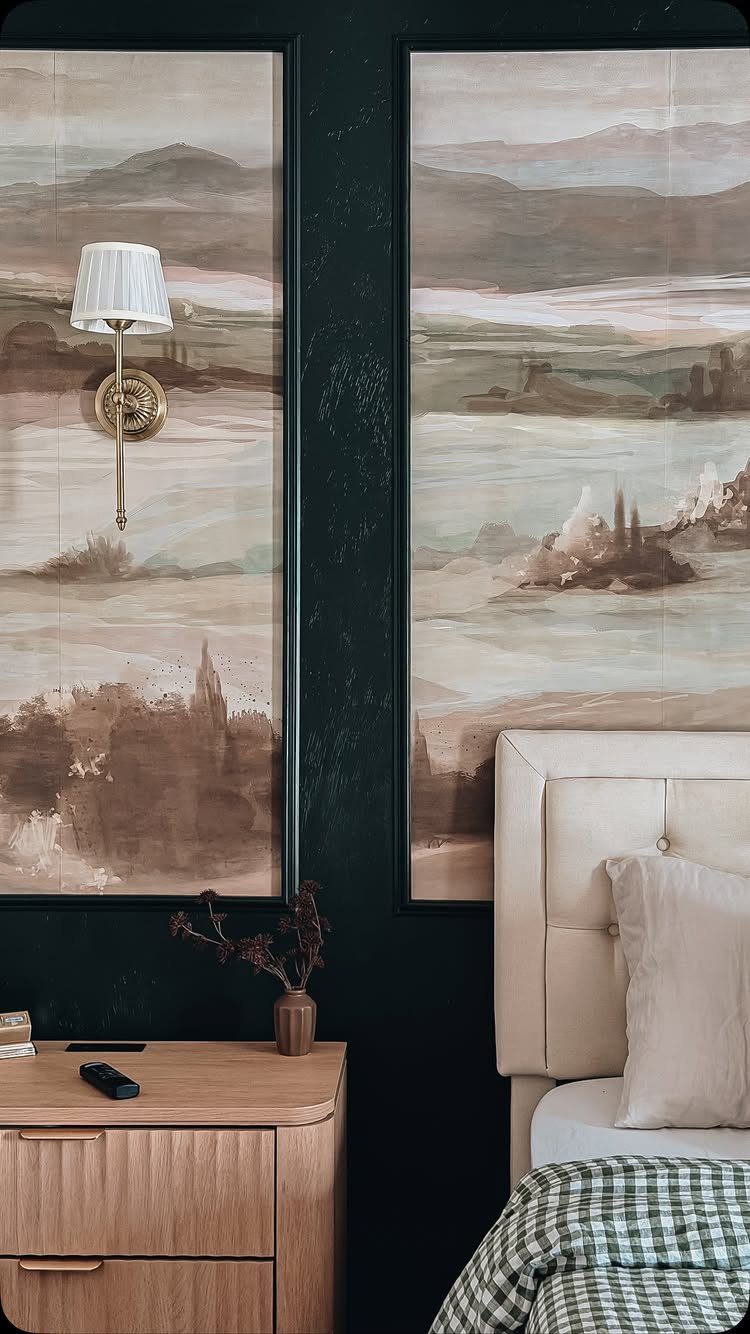
Two large paintings above the bed do more for a dark wall than a dozen small frames. Pairing them as a set gives the headboard wall a clear focal point and makes the room feel like yours.
Hang the pair low enough to relate to the headboard, with a narrow gap between frames. Pick art in colors your bedding already uses, so it feels chosen and not bolted on.
Big prints cost far less than originals, and framing is where I would spend.
10. Wood and Stone
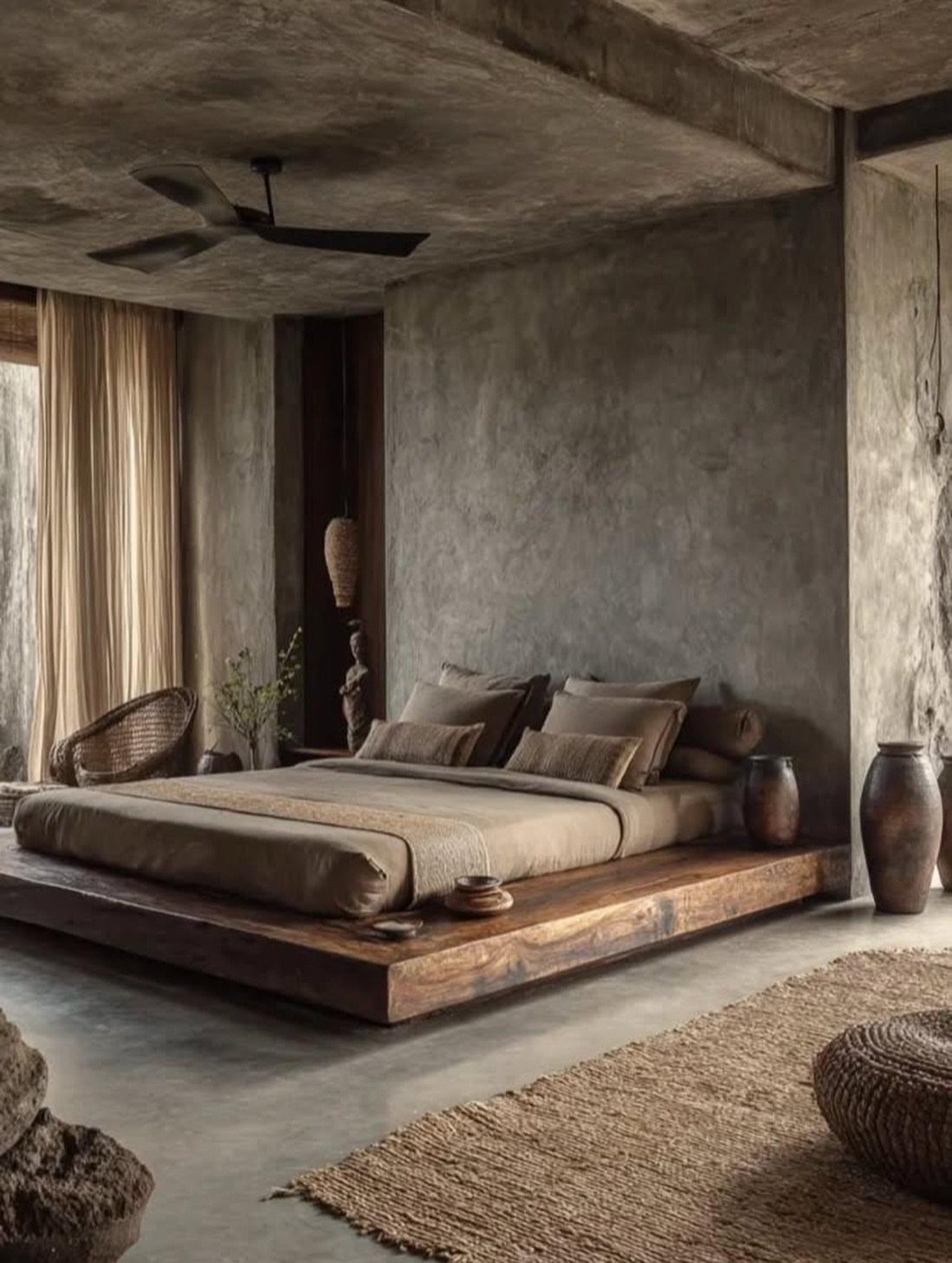
Warm wood keeps grey concrete from feeling like a parking garage. A low wooden bed frame and a jute rug bring in the softness that hard surfaces lack.
Keep the bedding neutral and let the materials carry the room. Too many accent colors fight the quiet that makes this look work.
Real concrete walls are a major build, so if you rent, a concrete-look paint or textured wall finish gets close at a fraction of the cost.
11. Platform Bed
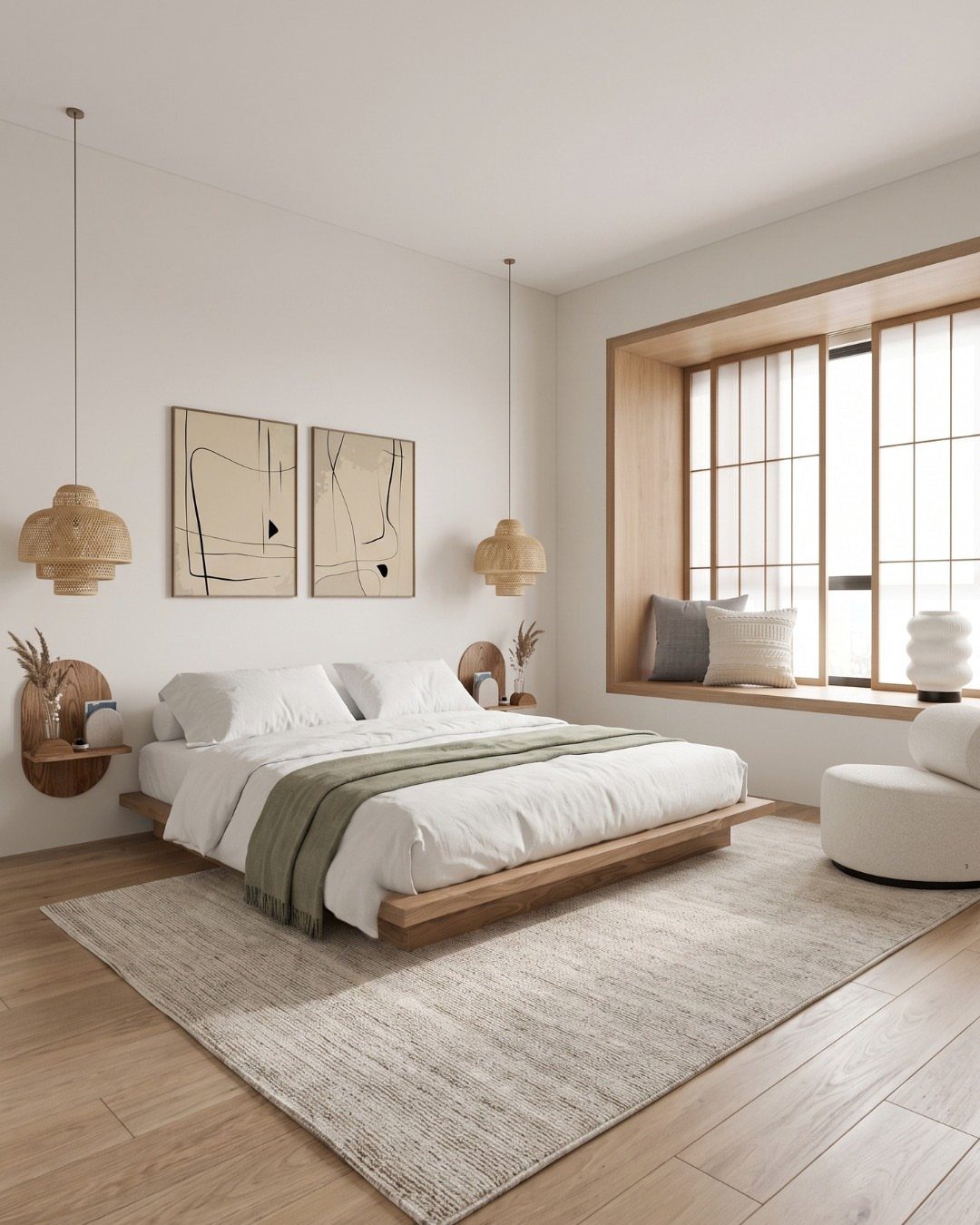
A low platform bed pulls the eye toward the window, so the walls seem taller and the room wider. Wood slats at the window repeat the frame’s tone and tie the room together.
Skip the box spring; the platform supports the mattress directly. Woven pendants on either side of the bed free up nightstand space, though you need a plug-in kit or an electrician to hang them.
A green throw is an easy color to add or swap out.
12. Ceiling Feature
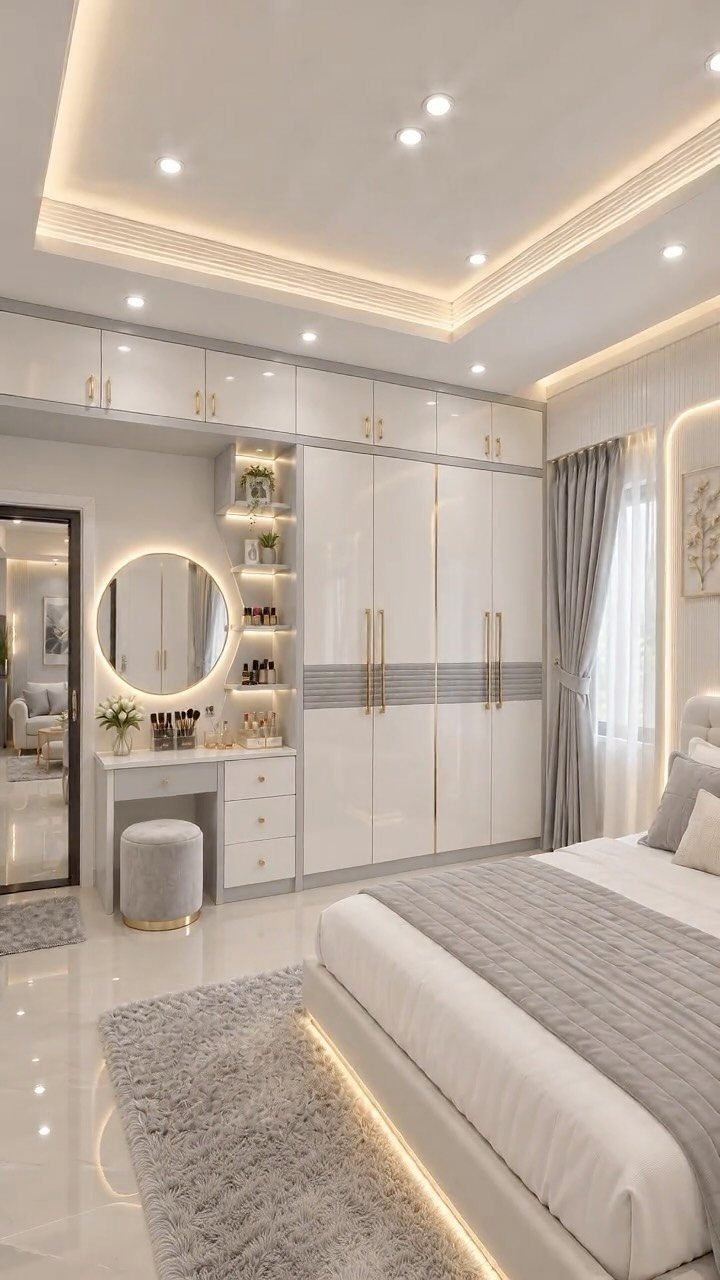
A recessed ceiling with warm cove lighting marks out the sleeping area, so the walls can stay plain. That is the smart part: one overhead detail does the work that decorated walls would.
Use warm white light and place the recess above the bed, not the whole room. Building a tray ceiling means framing and drywall, which is real contractor work and a real cost.
On a renter’s budget, a dimmable LED strip on a shelf or crown molding gives a similar glow.
13. Automated Lighting
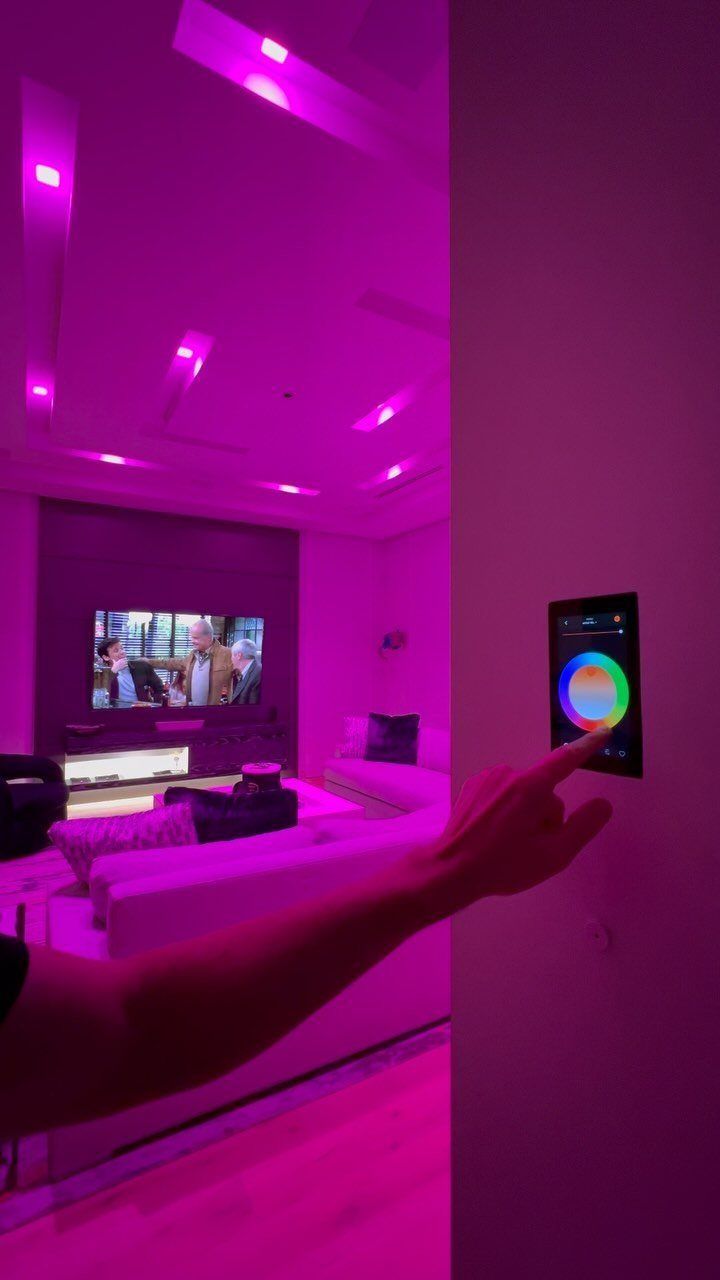
A wall-mounted panel with a color wheel lets you change the light in a room with one touch, so the same ceiling can read calm purple at night and something brighter by day.
Settle on one or two scenes you actually like and save them, because a wheel with endless colors tends to get fiddled with and then ignored.
Keep the walls and bedding neutral so the colored light does the work. A saturated color is easier to live with when it’s dimmed low.
Installing a wired panel is electrician territory; renters can get a similar result with smart bulbs and a phone app.
14. Cozy Seating Nook
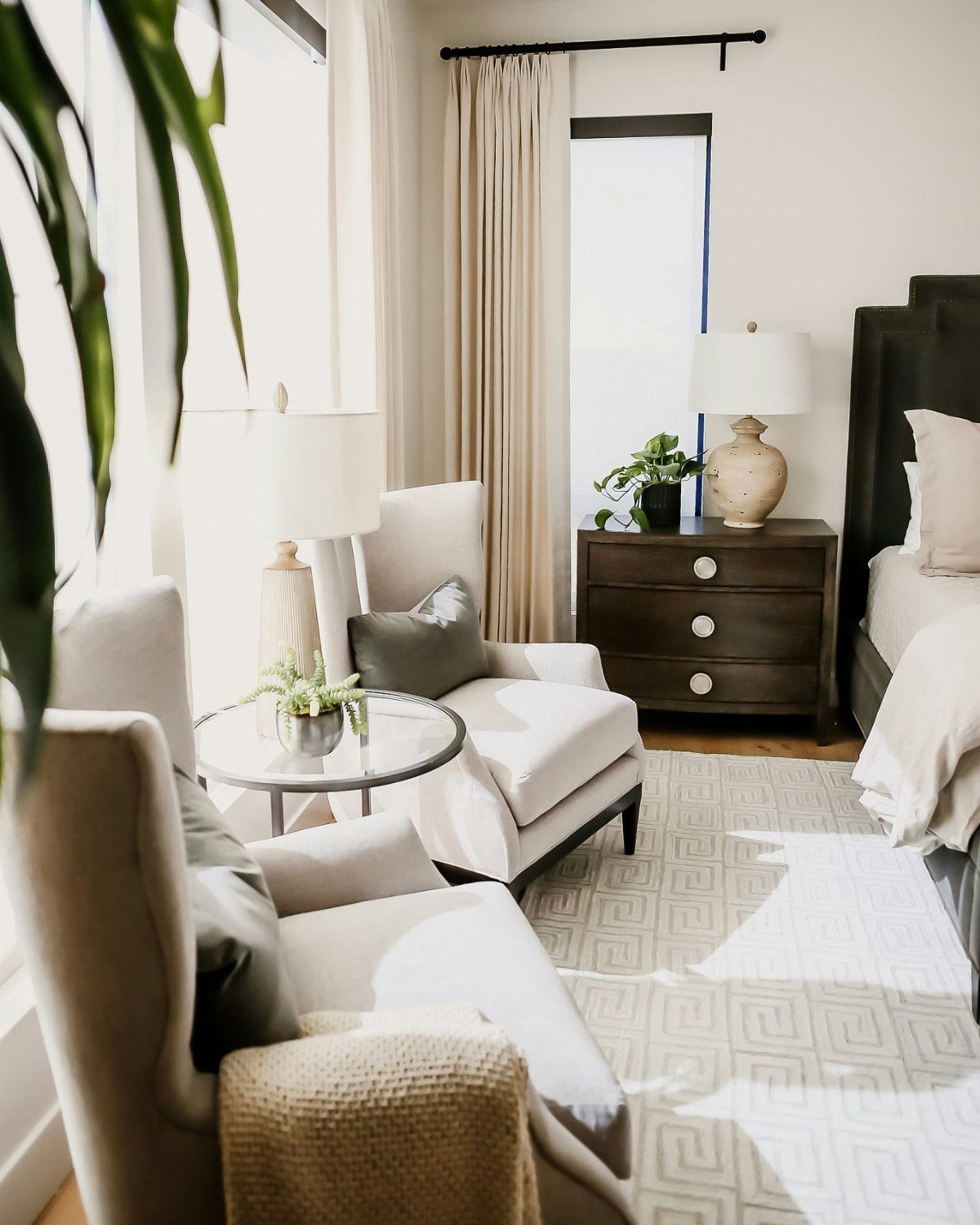
2 armchairs and a small glass side table turn a corner of the bedroom into a place to sit, apart from the bed.
Cream upholstery keeps the nook bright, and a glass top takes up almost no visual space, which matters in a room that’s already holding a bed and a dresser.
Angle the chairs slightly toward each other so they feel like a pair, and leave room to walk around them. I would put a lamp or a stack of books on the table and nothing more.
Pick chairs you can really sit in for an hour; a nook you avoid is wasted floor.
15. Furniture with Soft Edges
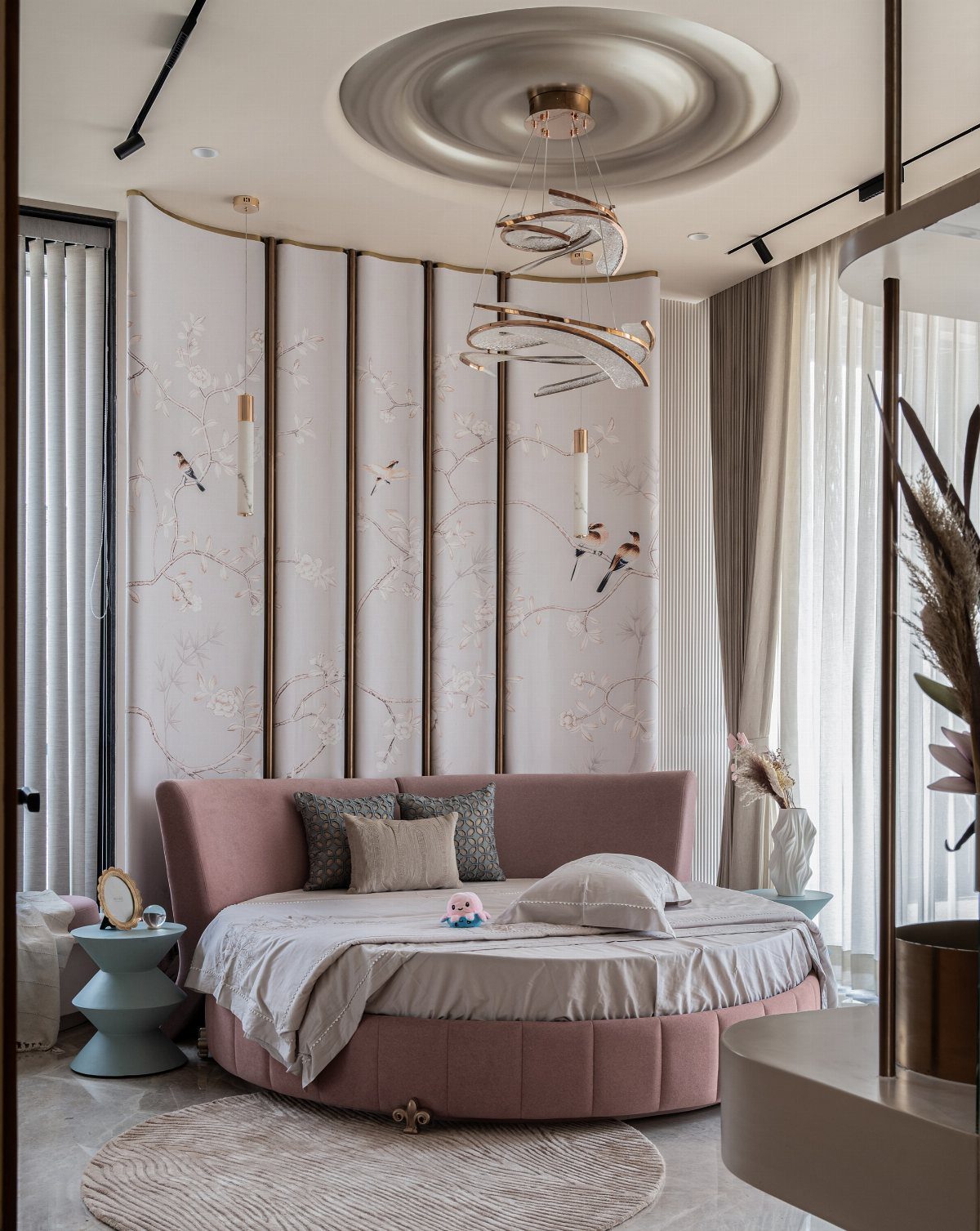
A round upholstered bed removes every corner from the room, and the curve softens the hard lines of a wall panel and a sculptural chandelier. Pink fabric reads gentle here because the shape does so much of the work.
Echo the curve once, as with a circular side table, and stop there. Too many curves with no straight line to rest against start to look like a theme.
Measure the walkway before ordering, since a round bed takes more floor than a rectangle with the same mattress width. It also needs round bedding or a fitted cover made to suit.
Importance of Style and Comfort
A bedroom works hard: it has to look good and let you sleep. When the two pull against each other, comfort should win, because a room you can’t relax in won’t feel luxurious no matter how it photographs.
Start with plush textiles, soothing lighting and storage that actually holds your things. Those three do more for rest than any single decorative piece.
Decide early whether you want the room airy and dreamlike or dramatic and rich. That one choice guides every purchase after it.
A modern bedroom doesn’t have to mean cold white and sharp angles; it can be warm and polished at once if you blend rich materials, bold textiles and artwork, then add an occasional pop of color.
Whatever style you pick, whether minimalist, bohemian or traditional, check each addition against one question: does it make the room easier to unwind in?
Choosing the Right Color Scheme
Soft blues, greens and grays calm a room, while brighter colors wake it up. For a space meant for sleep, I would keep the large surfaces in the calm group and save energy for small items you can swap.
A neutral base is the safest route to a polished look.
Think soft beige, off-white, taupe, ivory and gray on walls and big furniture. Add color or metallic finishes through a few pillows, a piece of art, or one standout light, which keeps the room interesting without making it feel busy.
If you want to try a bolder scheme, test 2 ways.
A monochromatic palette in one hue at different depths is the easier one to get right. Complementary colors, which sit opposite each other on the color wheel, work best when one takes the lead and the other stays small.
Choose a theme, such as classic, contemporary or eclectic, that fits the palette, then buy furniture and textiles that match it.
Frequently Asked Questions
What is the best color for luxury bedroom interiors?
I start with neutrals on the large pieces: walls in off-white, taupe or warm gray, and a bed frame in ivory, beige or soft linen.
Calm blues and greens also suit a room meant for sleep. Layer in accent color through throw pillows, a single piece of wall art, or one distinctive lamp, which adds personality without crowding the eye.
Can small bedrooms look luxurious?
Yes. Smart furniture, lighting and color choices make a compact bedroom feel premium.
Storage beds free up floor space that would otherwise go to a dresser, brass or gold lamp bases warm up white nightstands, and floor-length curtains mounted near the ceiling stretch the wall.





