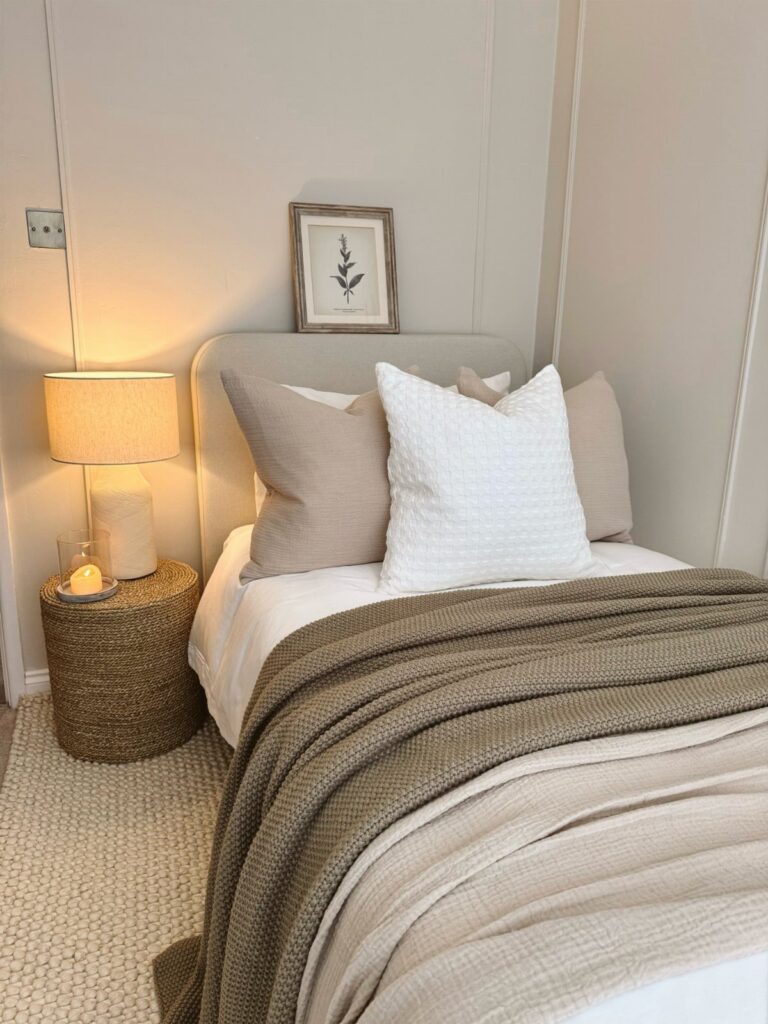
The ideas here range from a fresh coat of paint to storage beds and fold-away frames, and how often guests actually sleep in the room decides which solution makes sense.
What you use the room for between visits then determines whether the bed should fold up, tuck into a corner, or stay out year-round.
1. Beds with Drawers
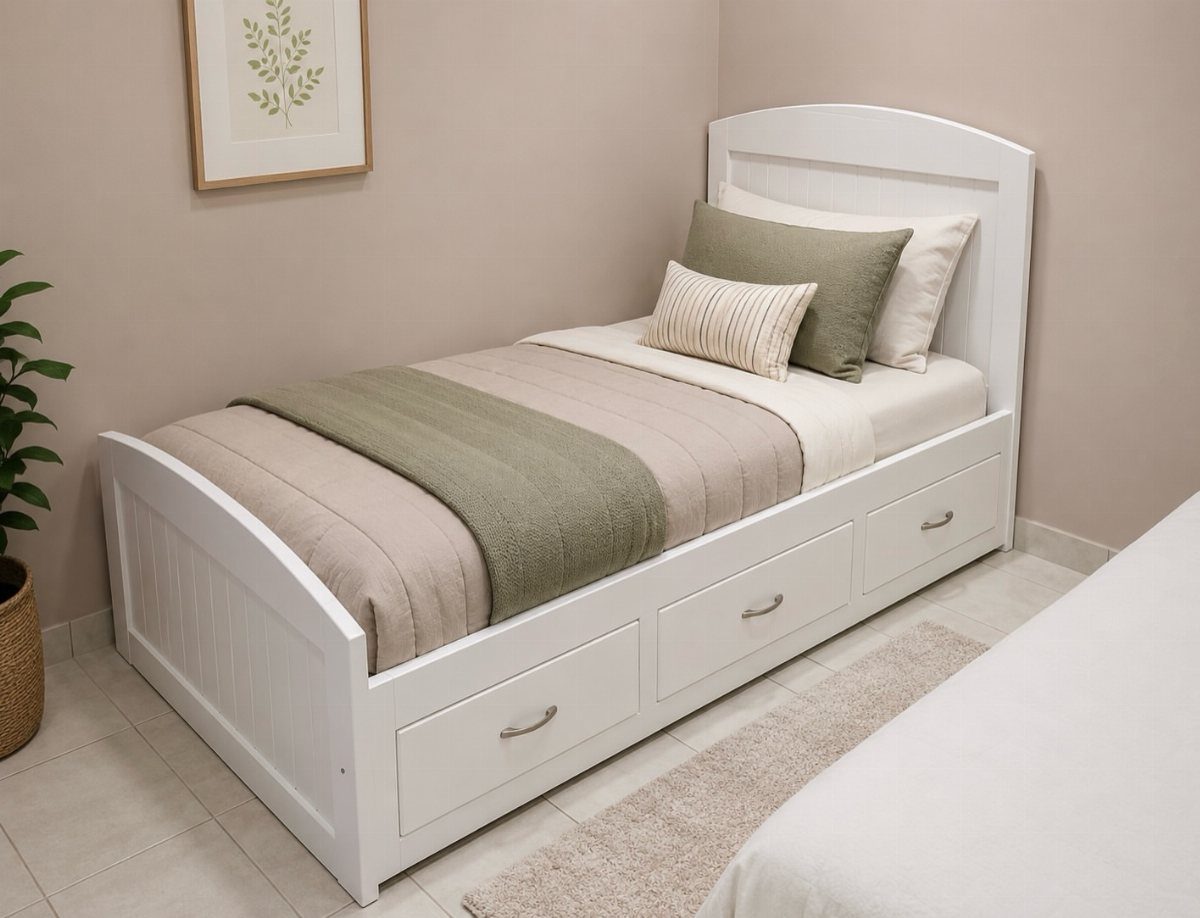
A twin bed with drawers built into the base gives a small guest room a dresser’s worth of storage without a dresser’s footprint. That matters when the floor space is already tight.
Use the drawers for the guests’ stuff, not yours. Clear one for their clothes and keep spare sheets or a towel set in another, so a visitor can unpack without a single closet hanger.
A white frame with beige bedding keeps the bulk of the bed quiet, which matters when the room is tight on floor space.
Check that the drawers can fully open with the bed in its spot.
2. Light Color Schemes
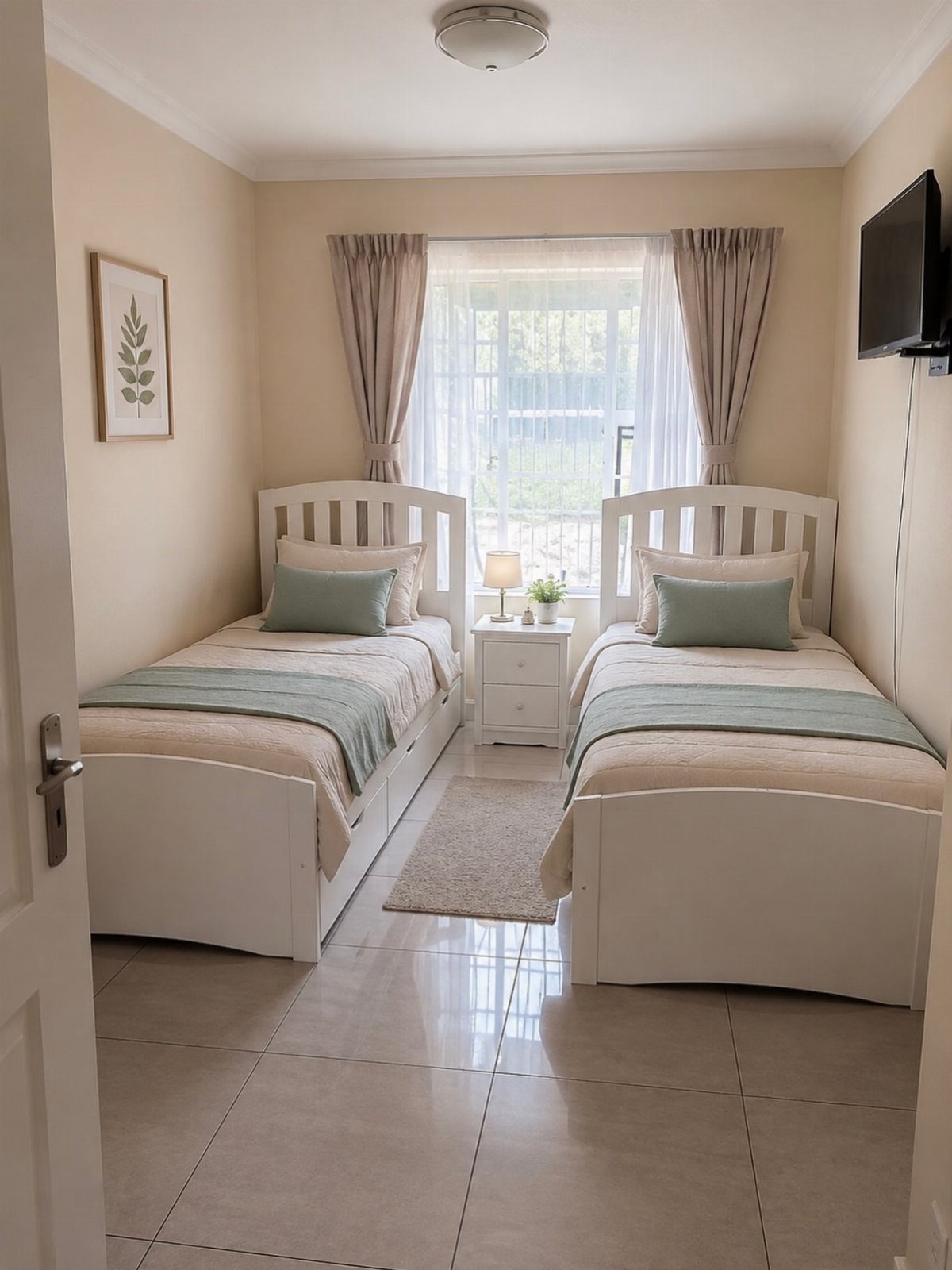
Pale walls, white furniture and one soft accent color do more for a small guest room than any layout trick, because light surfaces bounce daylight around instead of absorbing it.
Sage green is a gentle accent choice: it shows up in pillows or a throw without darkening the room.
Once the walls and larger pieces are in soft, light neutrals, add color only through textiles like pillows, throws, and curtains, which cost little and swap out in minutes if you tire of them.
I’d stay with one accent color, not three.
3. Wall Art
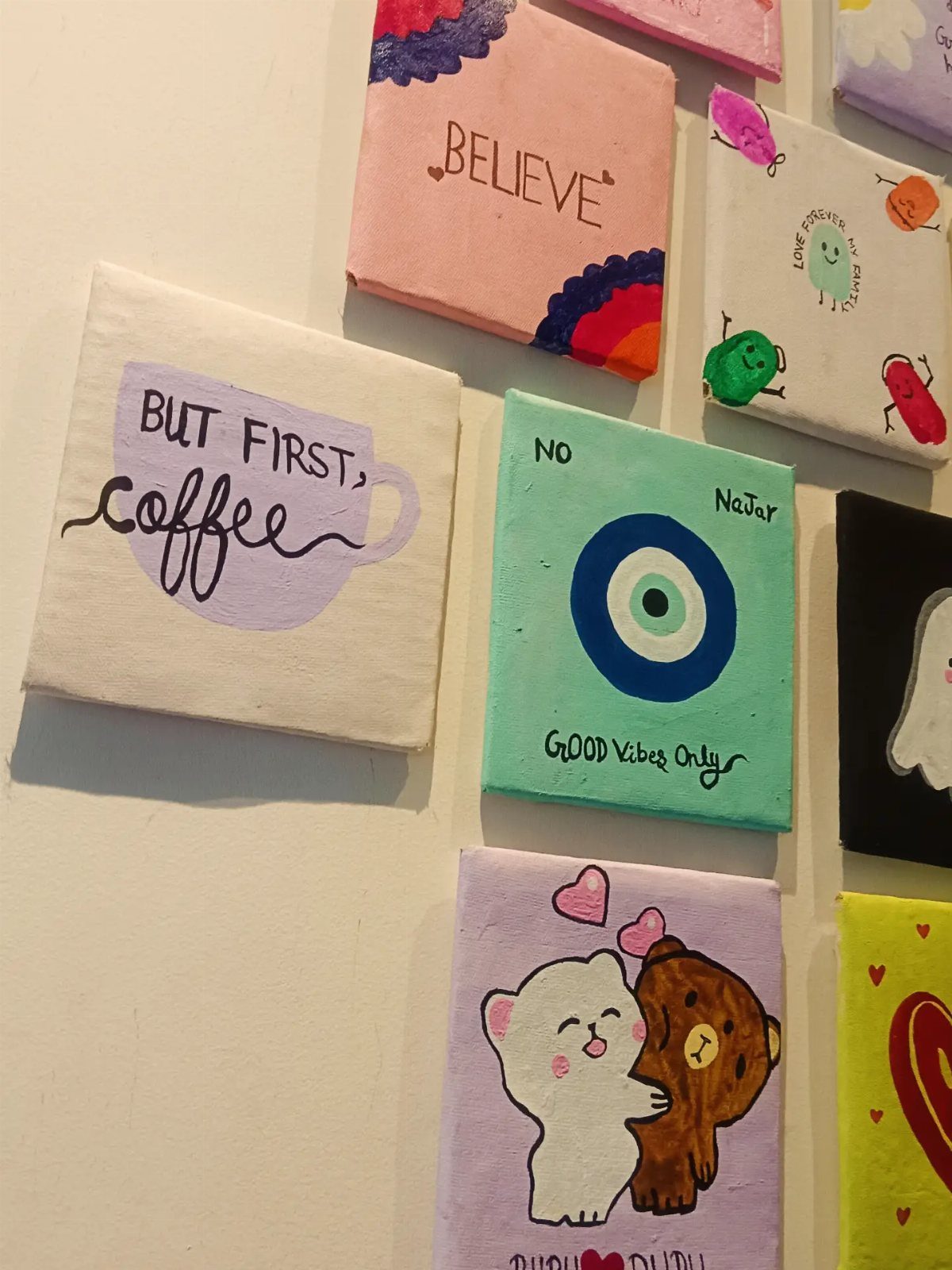
A cluster of small square canvases reads as one big piece of art, and it costs much less than a single large frame. Mixing short quotes with a few illustrated pieces gives a guest room some humor and personality.
Keep the canvases the same size so the grid looks deliberate, and hang them close together with a consistent gap between each one. A white wall lets the color pop.
For a guest room, I’d pick friendly, light messages over anything too personal. Lightweight canvases hang on small nails or removable hooks, which suits renters.
4. Cozy Throws
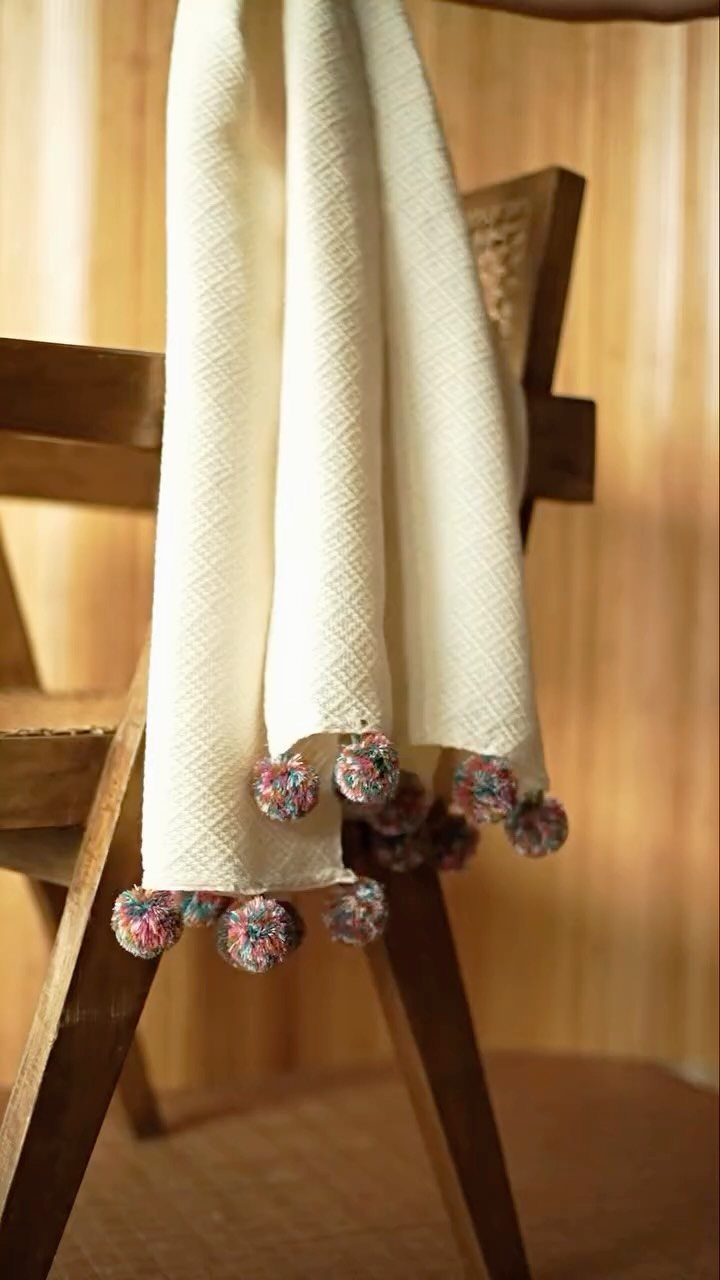
Draping a cream, textured throw over a chair gives guests a blanket within reach and gives the room a finished look. Pom-poms add a playful touch that plain knits lack.
Choose a throw with some weight and a washable fiber, since it will get laundered between visitors.
Cream hides little, so check the care tag before buying. Folding it at the foot of the bed works too, but a chair keeps the bed surface clear and shows off the texture.
A single throw per guest is plenty.
5. Bedside Lamps
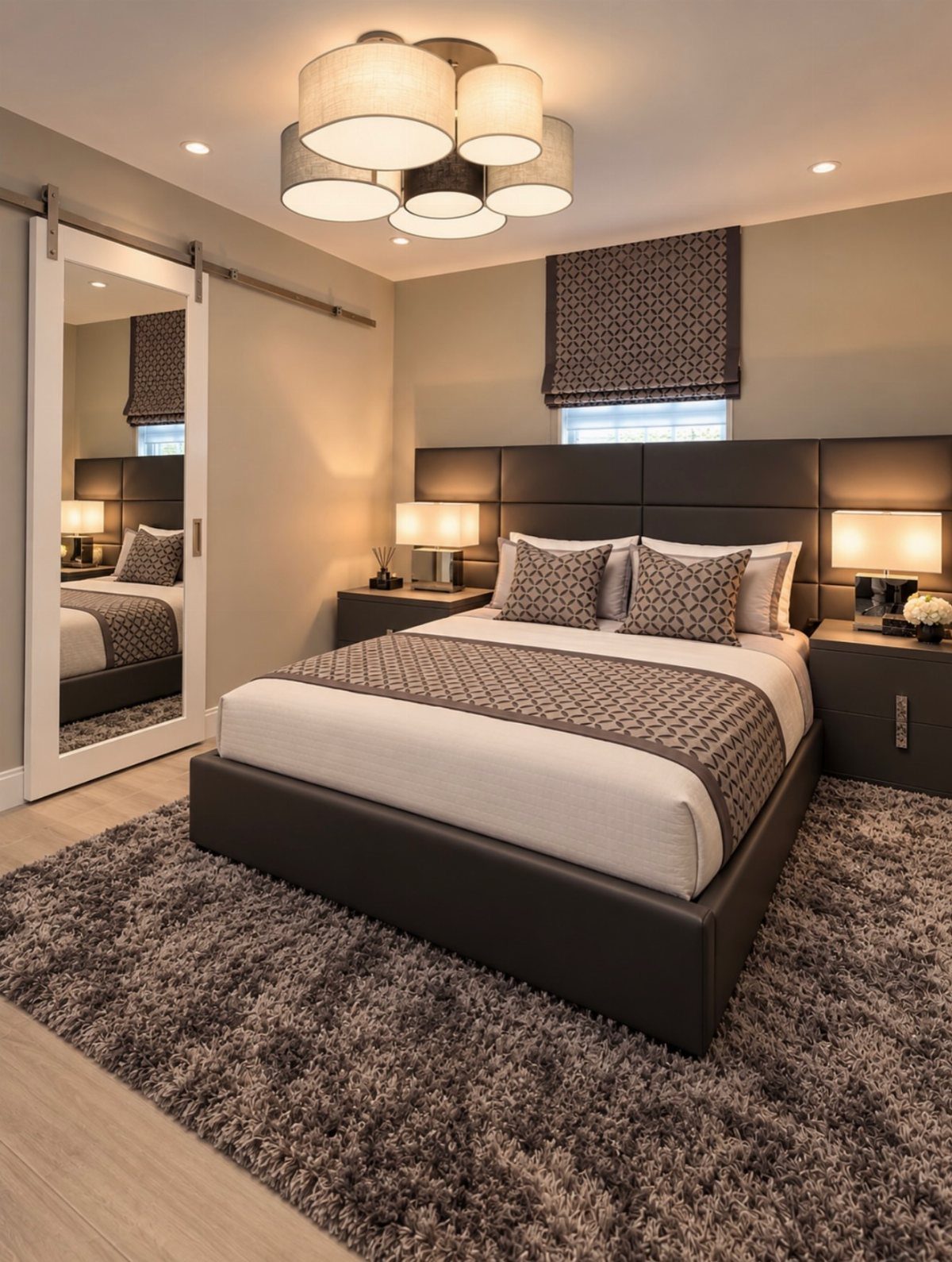
Matching lamps on both sides of the bed give a guest room a finished look, and they let both sleepers read without asking anyone to hit the main switch.
Choose a pair with the same height and shade so the symmetry reads cleanly.
A dark headboard suits lamps with lighter shades, which keep the glow soft and stop the bedside from looking heavy. Pick lamps with a small base, since nightstands in small rooms barely hold a phone and a glass of water.
Warm bulbs make a guest bedroom calmer than cool white ones do.
6. Comfortable Seating
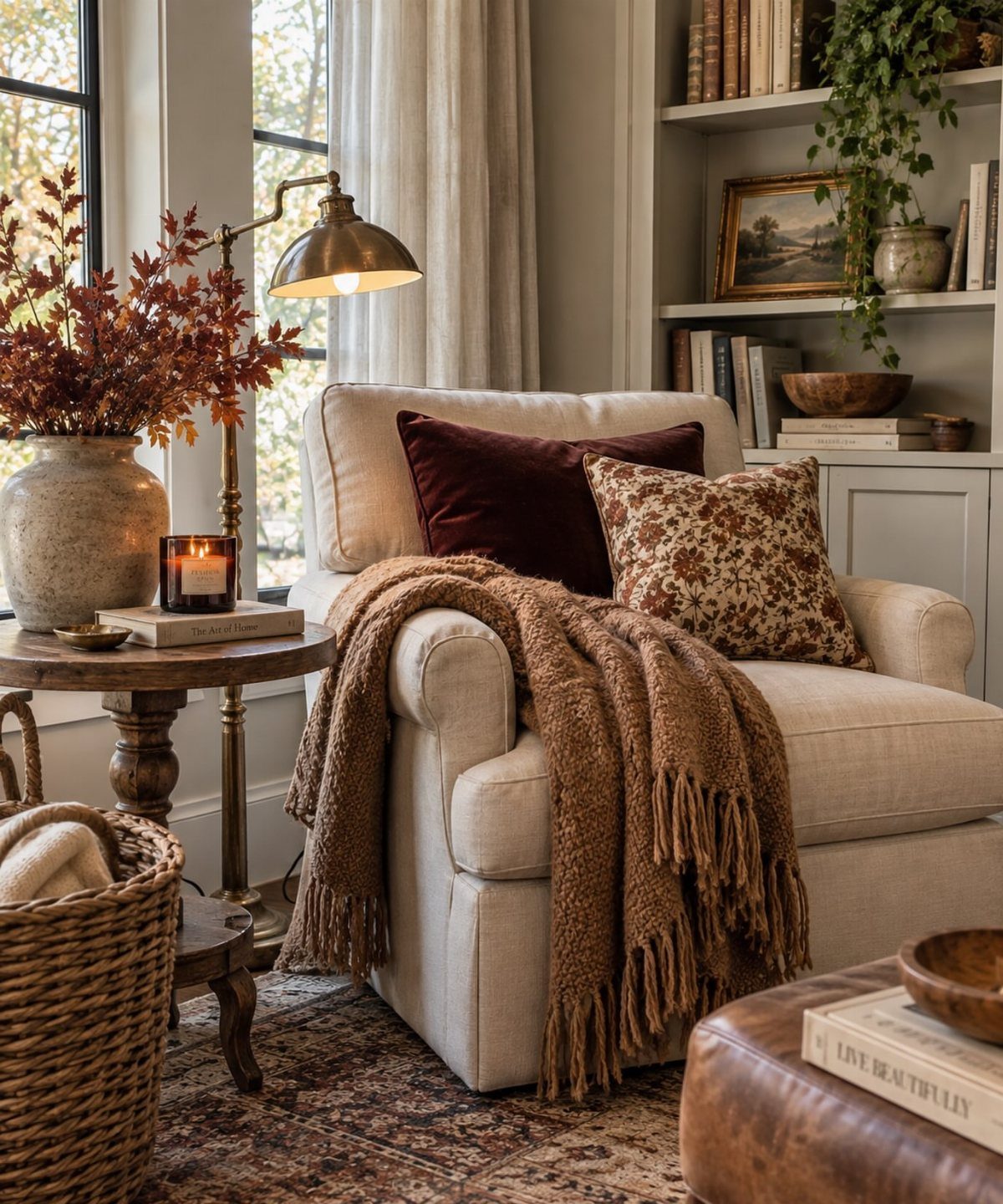
One armchair gives a guest a place to sit, put on shoes or read, without the bulk of a loveseat. Cream upholstery with a brown throw keeps it neutral and easy to pair with most bedding.
Slide a small side table next to it, the kind with room for a lamp and a candle, and the corner becomes a reading spot. Put it near a window if you can, for daylight.
Pick a chair with a compact frame and arms low enough to tuck pillows against, so the seat stays comfortable even in a tight room.
7. Wall-mounted Shelves
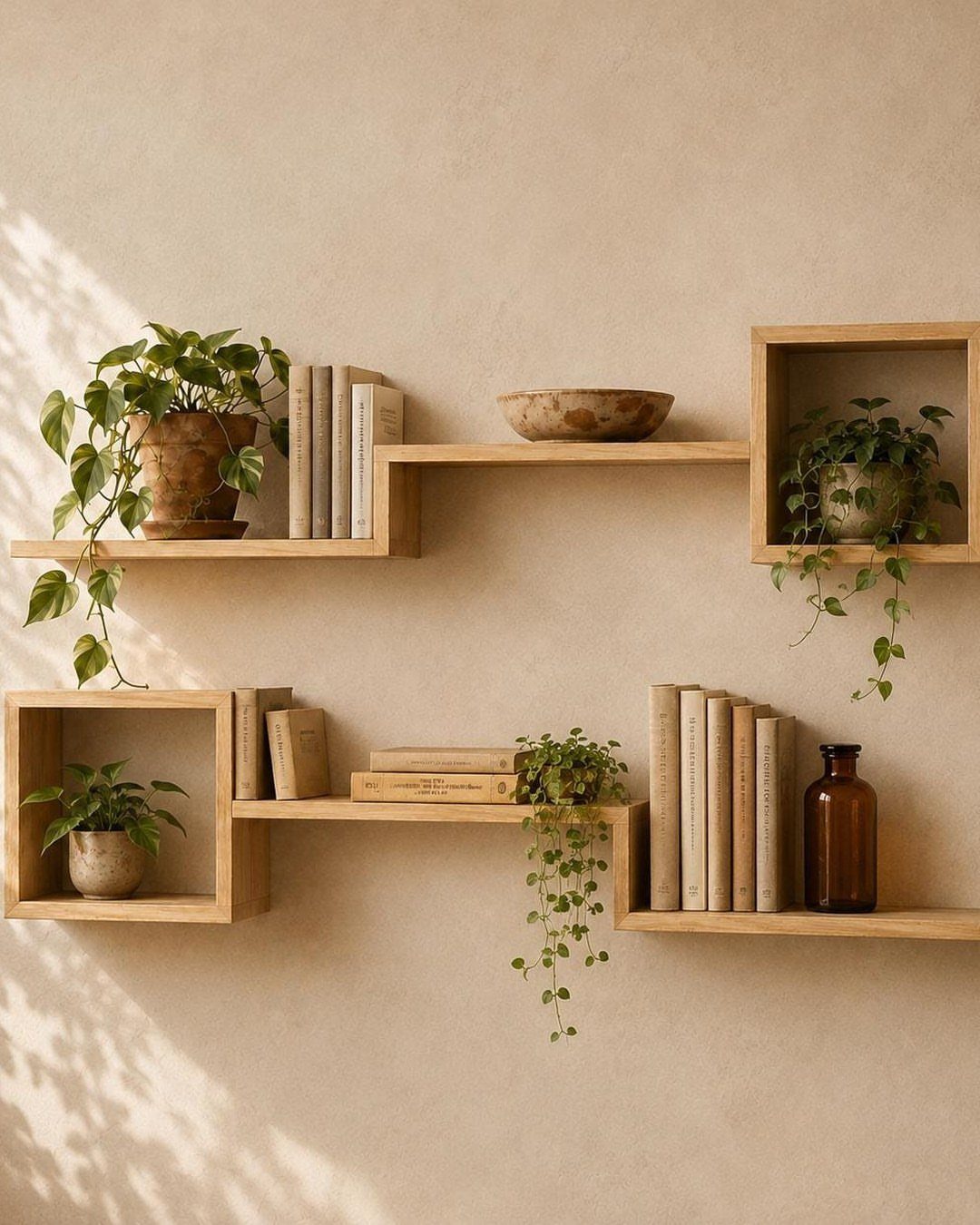
Floating shelves in light wood clear the floor entirely, which is the whole reason they suit a small guest room. A bookcase eats a good strip of floor; a shelf takes none.
Keep the arrangement loose but boxed in: staggered lengths inside one imaginary rectangle read as a pattern, not clutter. Leave a few shelves half empty so a guest has room to set down a phone or book.
Books, a small plant and one bowl are plenty.
8. Convertible Sofa Bed
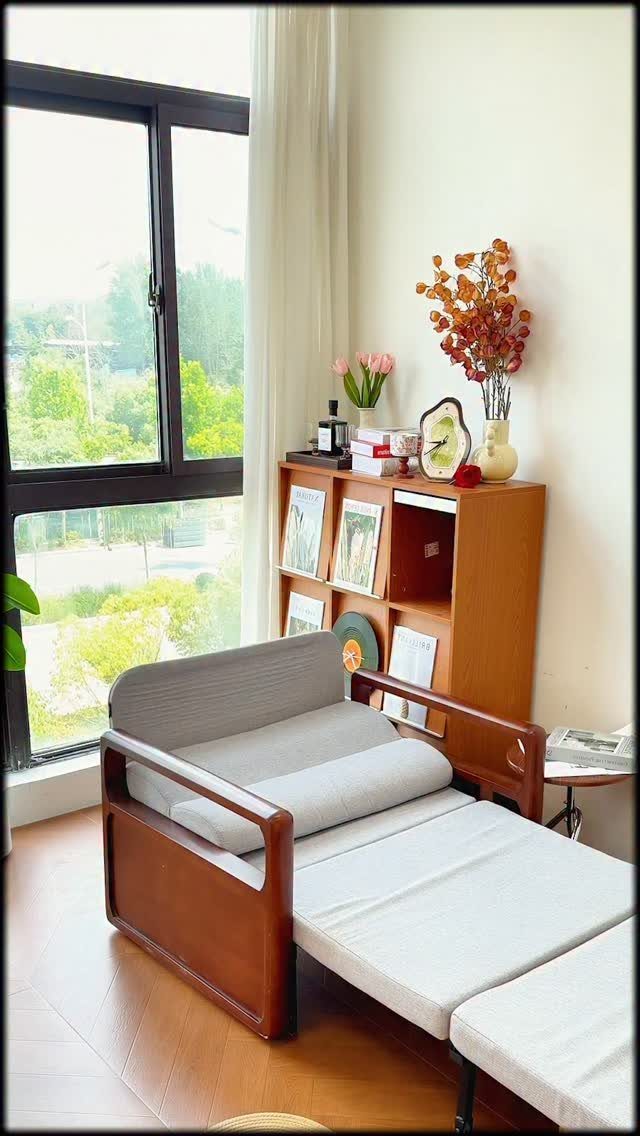
A pull-out sofa bed lets a room be a sitting area all week and a bedroom when company arrives. In a compact room, that doubling is worth more than any extra furniture.
Pick a light upholstery color; it keeps the sofa from dominating the space when folded.
Before buying, measure the room with the bed fully extended, and leave walking space on at least one side. A bookshelf nearby is handy, but keep it out of the mattress’s path.
I’d spend extra on the mattress, since the thin ones are what guests complain about.
9. Space-saving Murphy Bed
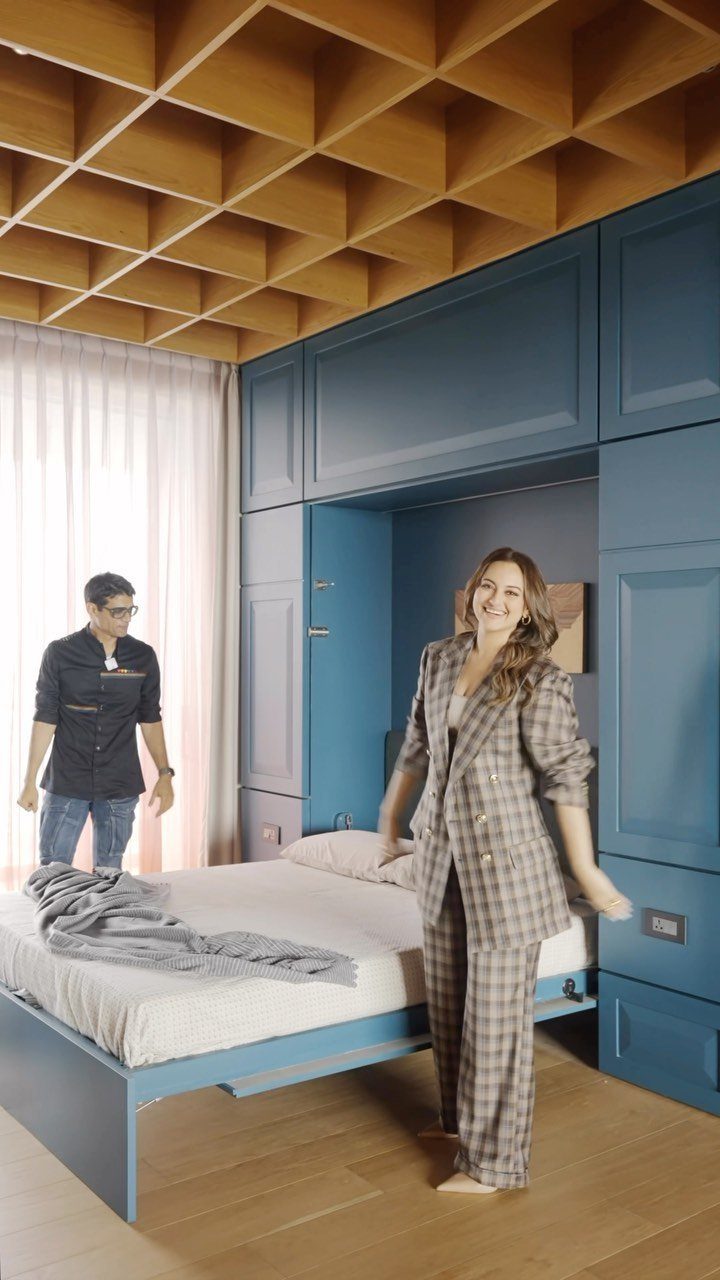
Built into the wall and folded up by day, a Murphy bed hands back nearly the whole floor, so a guest room can double as an office or workout space. That is why I rank it highest for tight rooms.
A painted cabinet front, like the blue one here, makes the bed look like built-in furniture instead of a gadget. Choose a color that suits your walls.
Expect a real budget hit, since this costs far more than a basic frame. Renters should check with the landlord first, because it mounts to the wall.
10. Cozy Daybed Nook
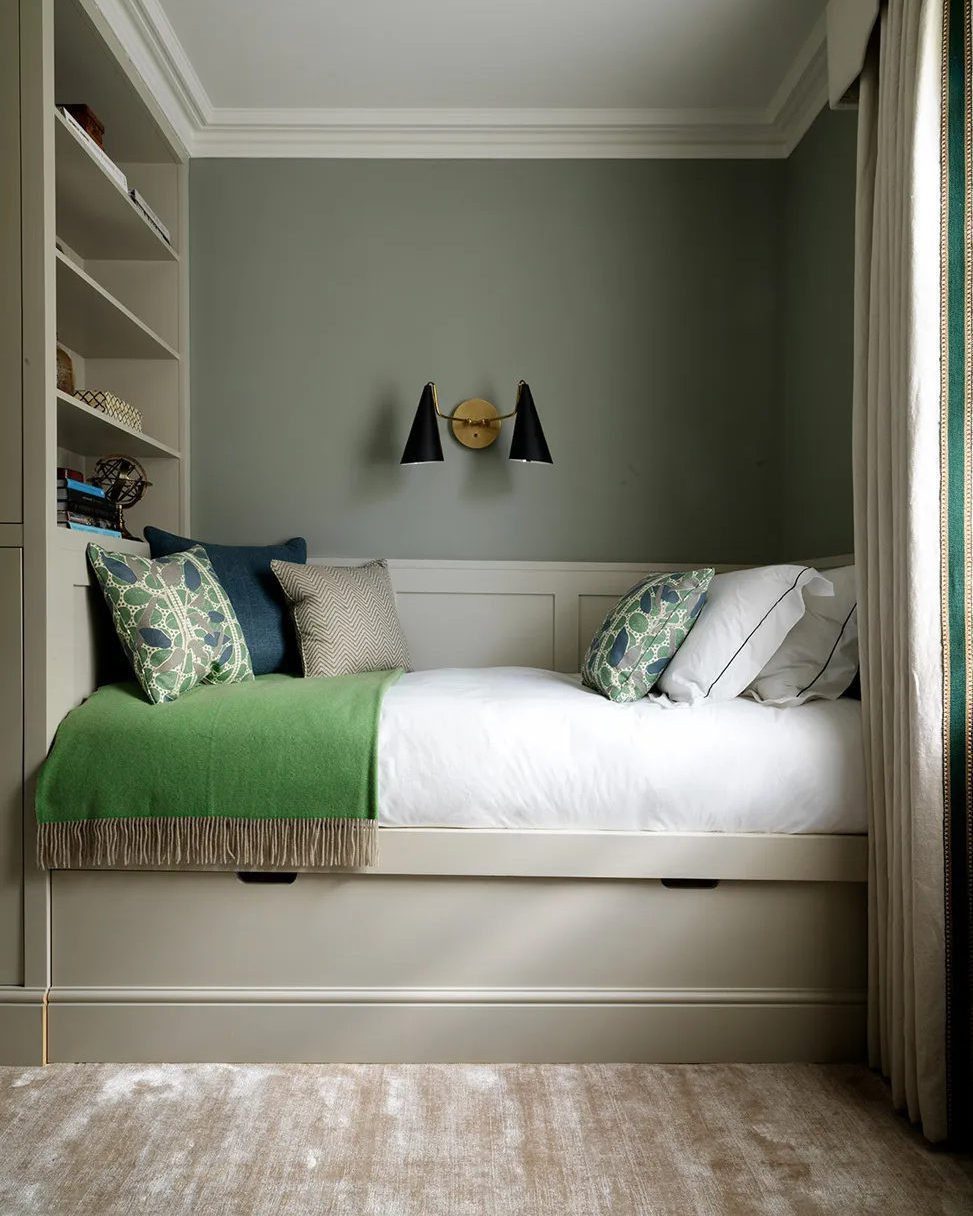
A daybed tucked into an alcove gives a guest a bed that looks like a sofa and a cozy corner at once. Shelves and a sconce overhead mean no nightstand is needed, which saves floor space.
Dress it with white linens and a single colored throw, then add pillows along the wall so it works for sitting during the day. A curtain across the opening gives a visitor privacy and softens the room.
If the nook has no outlet, a plug-in sconce with a cord cover is an easy fix.
Planning Your Guest Bedroom
Start with how often the room is used.
A space that hosts company twice a year can lean on a sofa bed and a shared office desk, while one that sees visitors monthly deserves a real mattress and a spot to unpack.
Decide what the room does the rest of the time, because that sets the layout. If it doubles as an office or workout corner, the bed should be the piece that moves or folds, not the desk.
Set a budget before shopping, then spend it in order: bed and bedding first, lighting second, decor last. Overspending on small extras is how a spare room eats a weekend budget.
Sketch the floor with the door swing, window and outlets marked.
Choosing Color Palettes
Small does not mean colorless. I trust a neutral base with 1 accent color, and echoing that accent in 2 or 3 spots, like a pillow, a lamp and a print, makes the whole room look planned rather than random.
Pale paint bounces daylight around, softens the corners and sets a calm mood, and it’s one of the cheapest, quickest ways to change how tight quarters read. A gallon of paint and a Saturday is a realistic project.
Bolder color can live on one wall, in wallpaper on a small niche, or in bedding. A cheerful, playful room feels welcoming to a guest in a way a plain bedroom often does not.
Choose accents you’d happily live with all year, such as apple green or red, and the space won’t read as holiday decor once the season ends.
Frequently Asked Questions
What are some good guest bed ideas for a small room?
A Murphy bed is my top pick for tight rooms. When it’s up, you get back nearly all the floor space, which matters if guests only visit a few times a year.
Installation runs a few hundred dollars unless you’re comfortable drilling into studs yourself, and landlords rarely approve wall-mounted furniture.
A pull-out sofa bed, a daybed in an alcove, or a twin with built-in drawers are cheaper options, and the drawers give a dresser’s worth of storage.
What is the minimum size for a guest bedroom?
A queen bed and single nightstand fit in about 100 square feet, though 120 gives you room to open drawers without stepping sideways.
Rooms of 90 square feet or less still work. They just need scaled-down furniture, lighter colors and a more minimal approach.
How to style a very small bedroom?
Pale paint and light-colored furniture reflect more of whatever daylight comes through the window. Pillows and throws let you add color without committing to anything permanent or expensive.
Mirrors across from a window, sheer curtains and minimal decor keep the room airy. Floating shelves also help because they take no floor space.





